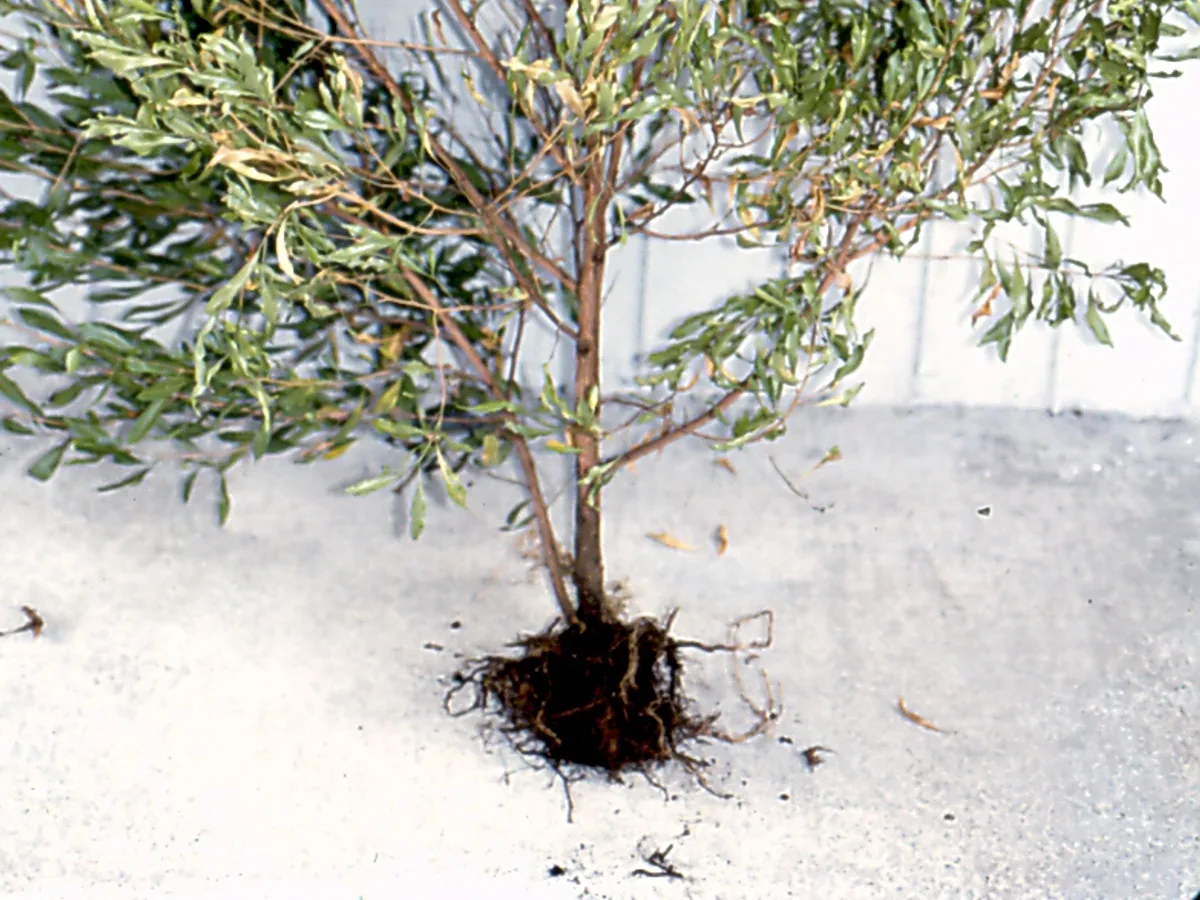
Root Rot
The above-ground story is a plant that wilts as if thirsty while sitting in moist soil; below, roots that should be white and crisp are brown, soft, and slip their outer skin when pulled. Overwatering and poor drainage write this one.
Disease checklist
Four things to look for. If most of them match what you are holding, you are in the right place.
What gets rid of it
Gentlest option first. For most backyard cases the first one is enough, so try these in order and stop as soon as it works. If you do spray something, the product label tells you how — please read the notice further down.
1Fix the water, not the plant
Let pots dry between waterings and give beds real drainage; no treatment survives soggy soil.
Try this first2Repot houseplants ruthlessly
Fresh mix, a cleaned pot, and every brown mushy root trimmed to clean tissue.
well draining potting mix3Plant high in heavy ground
In clay, set crowns an inch or two proud of grade and berm — drainage you build once instead of fighting forever.
As an Amazon Associate, Story Thyme Farms earns from qualifying purchases, at no cost to you. It never changes what we recommend.
Which plants get root rot
Every plant we cover that gets root rot, grouped by type — tap any one to open its page. A note beside a plant came from that plant’s own entry, because the same disease can be a minor nuisance on one plant and a serious problem on another. Plenty of plants we do not cover get it too.
trees11
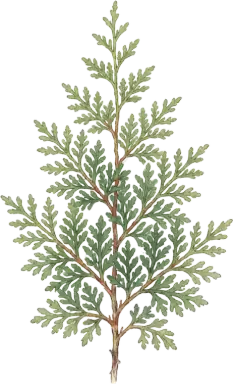 ArborvitaeThuja occidentalis / 'Green Giant'in swamps
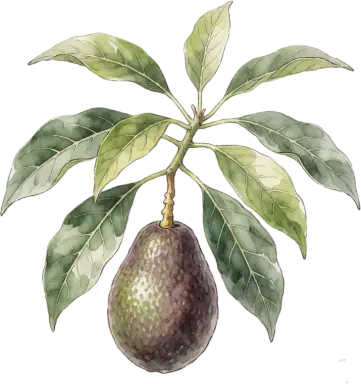 AvocadoPersea americanaPhytophthora — the #1 avocado death
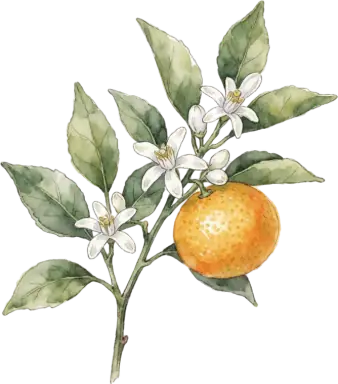 Calamondin OrangeCitrus × microcarpa
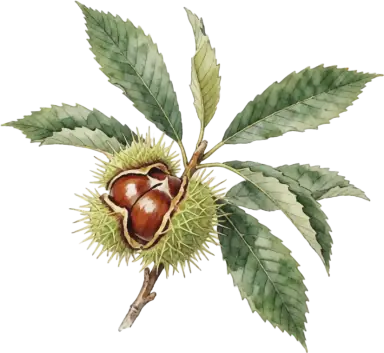 ChestnutCastanea mollissima & hybridson wet sites
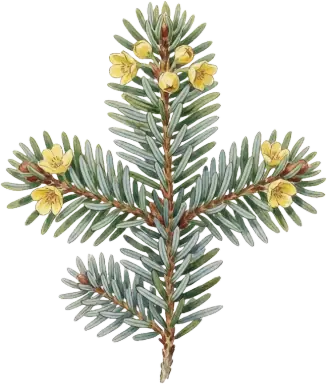 Fraser FirAbies fraseriPhytophthora — fatal in warm wet clay
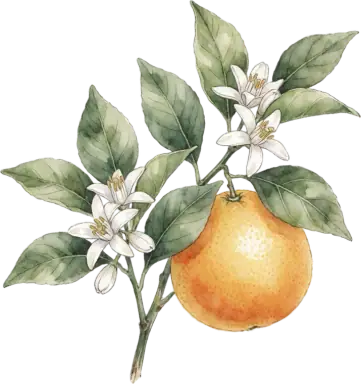 GrapefruitCitrus × paradisi
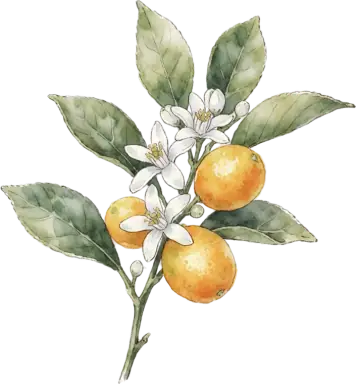 KumquatCitrus japonica
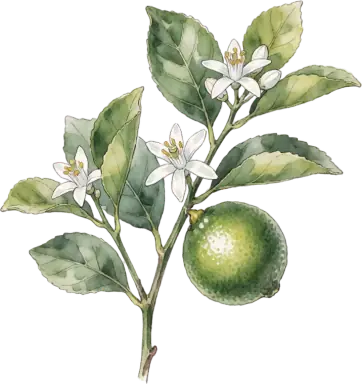 LimeCitrus × aurantiifolia / latifolia
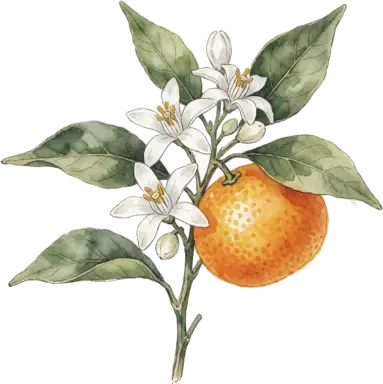 Mandarin / TangerineCitrus reticulata
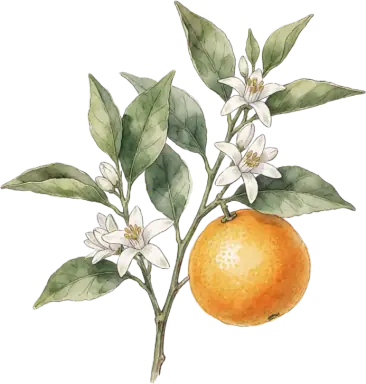 OrangeCitrus × sinensis
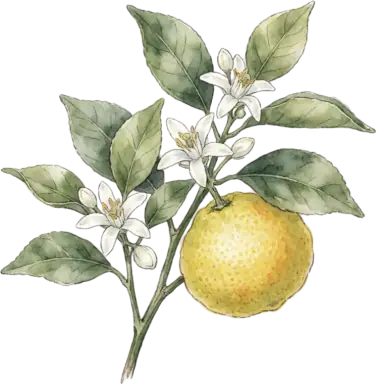 YuzuCitrus junos
shrubs11
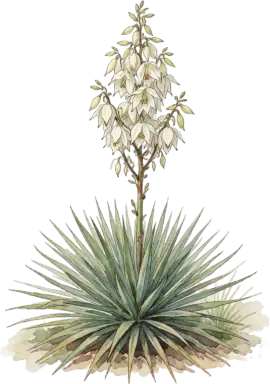 Adam's Needle (Hardy Yucca)Yucca filamentosain wet clay
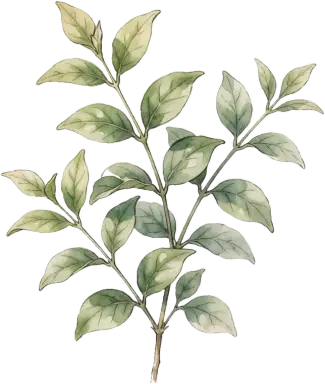 Arabian JasmineJasminum sambac
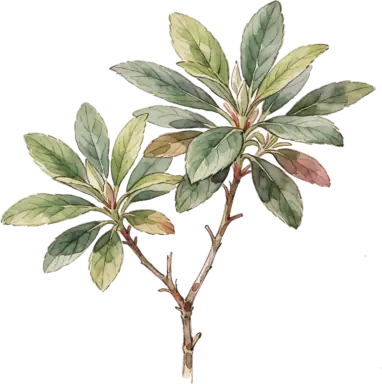 AzaleaRhododendron spp. (deciduous & evergreen)in clay — raised beds fix
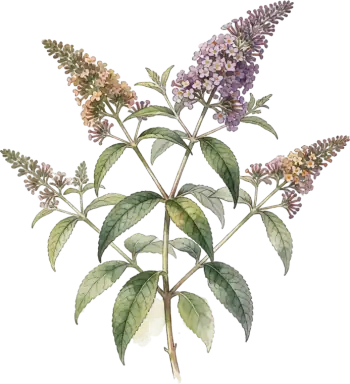 Butterfly BushBuddleja davidiiin wet winters
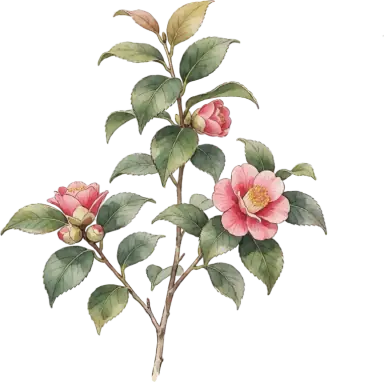 Camellia (Japonica)Camellia japonica
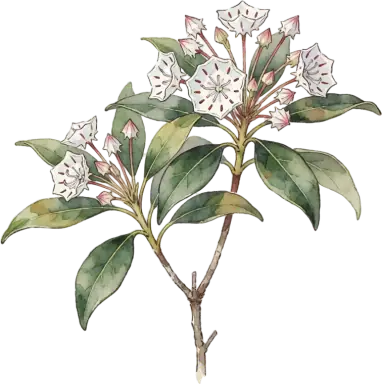 Mountain LaurelKalmia latifoliain clay
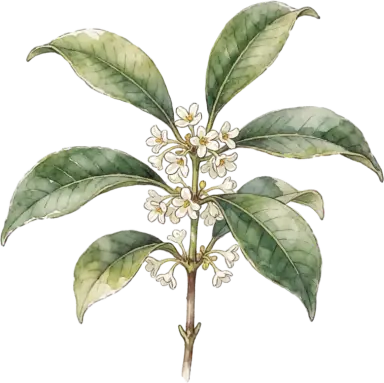 OsmanthusOsmanthus fragransin wet soil
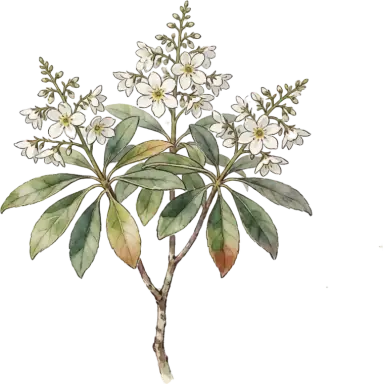 Pieris (Andromeda)Pieris japonicain clay
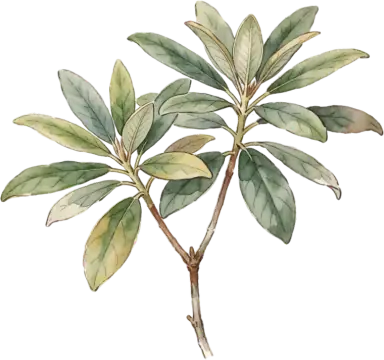 RhododendronRhododendron catawbiense hybridsthe killer in clay
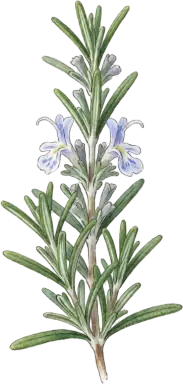 RosemarySalvia rosmarinus
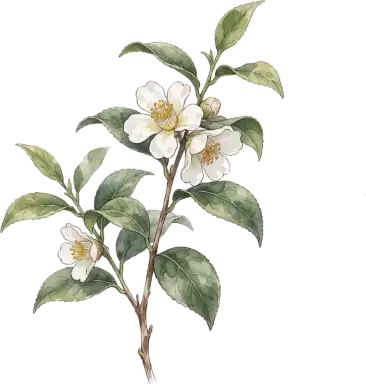 Tea PlantCamellia sinensisin clay
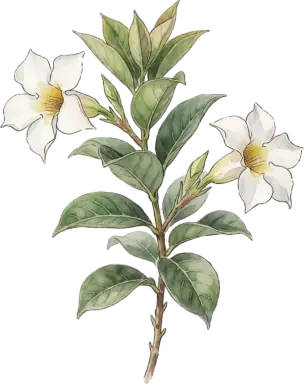
perennials19
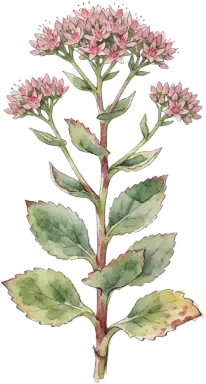 Autumn SedumHylotelephium 'Herbstfreude'in winter-wet clay
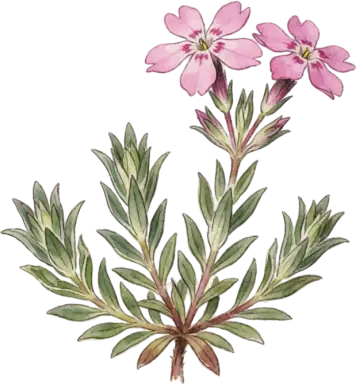 Creeping Phlox (Moss Phlox)Phlox subulatain wet clay
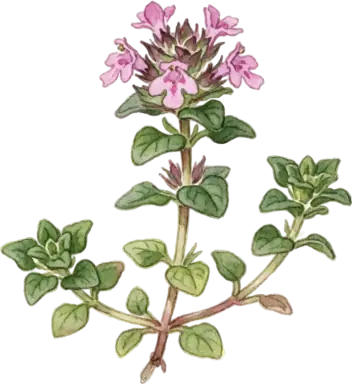 Creeping ThymeThymus serpyllumin irrigated clay — the usual death
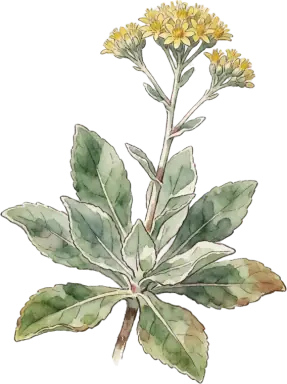 Curry PlantHelichrysum italicumin wet soil
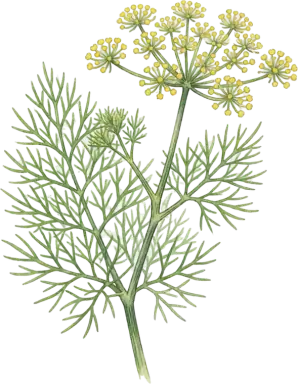 FennelFoeniculum vulgare
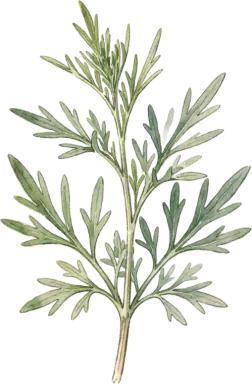 French TarragonArtemisia dracunculus 'Sativa'wet winters kill more tarragon than cold
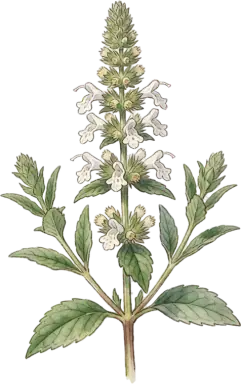 HyssopHyssopus officinalisin wet clay
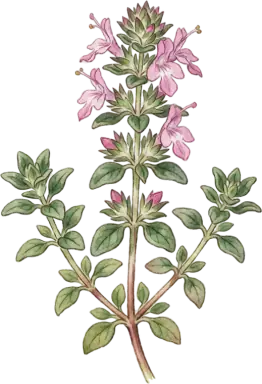 Lemon ThymeThymus × citriodorusin wet clay
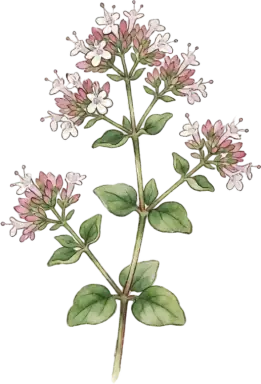 OreganoOriganum vulgare subsp. hirtumin wet soil
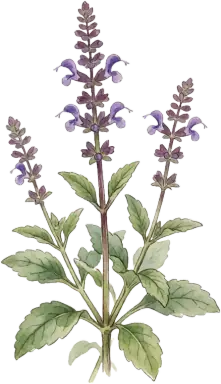 Perennial SalviaSalvia nemorosain soggy winters
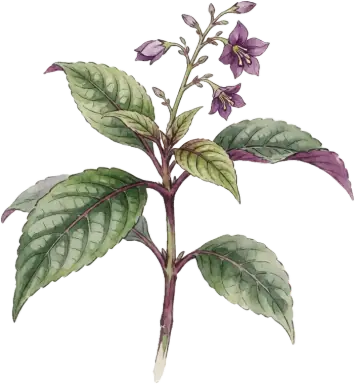 Persian ShieldStrobilanthes dyerianus
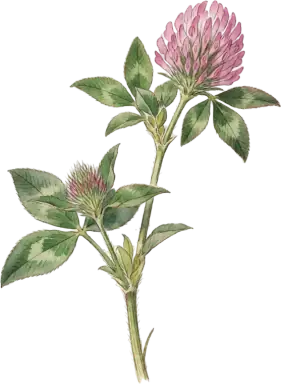 Red CloverTrifolium pratense
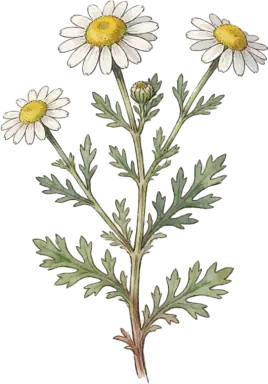 Roman ChamomileChamaemelum nobilein wet soil
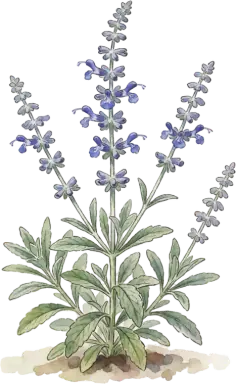 Russian SageSalvia yangiiin irrigated clay — kindness kills it
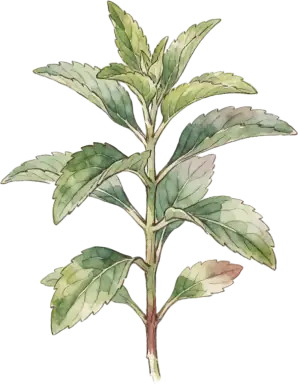 SteviaStevia rebaudiana
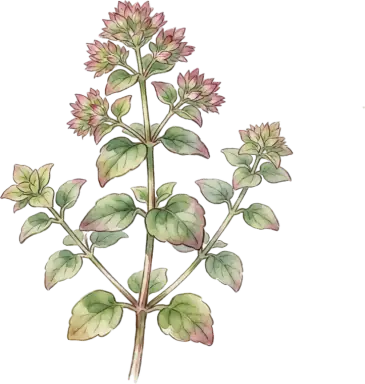 Sweet MarjoramOriganum majorana
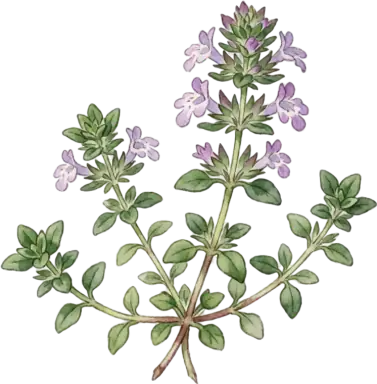 ThymeThymus vulgariswet feet
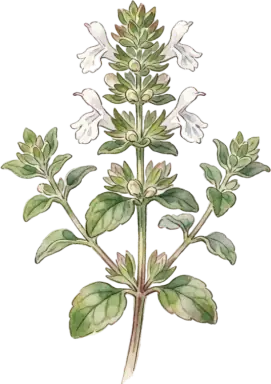 Winter SavorySatureja montanain wet clay
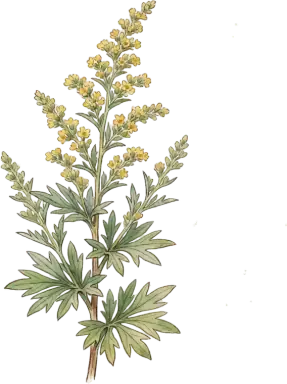 Wormwood (Artemisia)Artemisia absinthiumin wet soil
annuals3
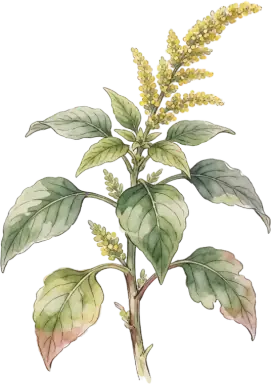
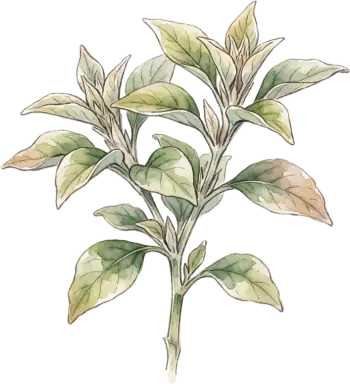
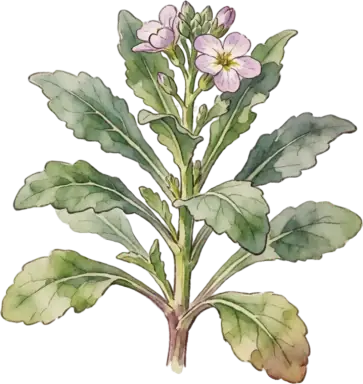
succulents5
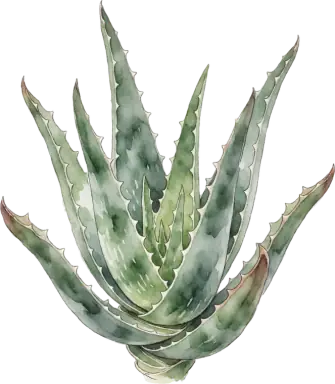
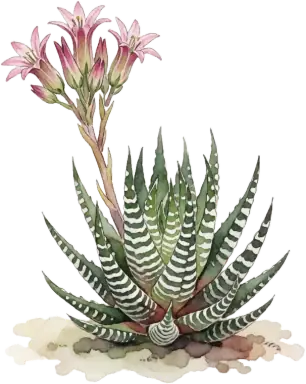
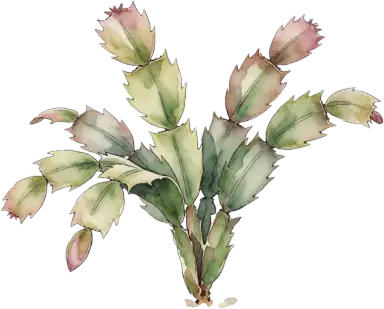
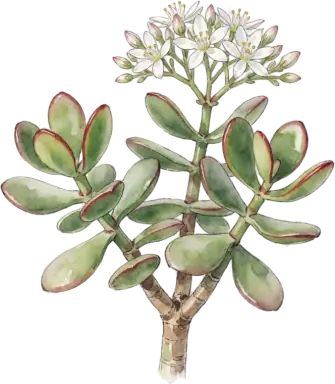
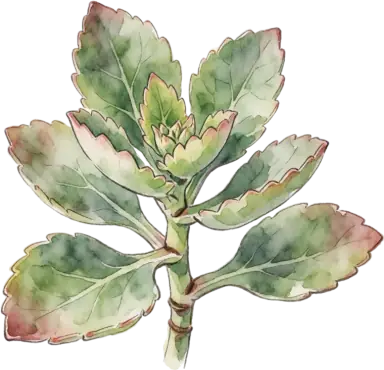
houseplants22
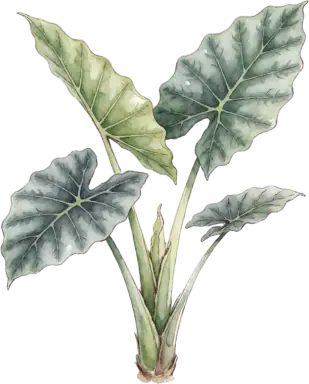 Alocasia (Elephant Ear)Alocasia × amazonica
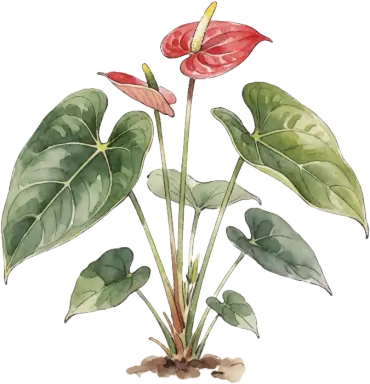 Anthurium (Flamingo Flower)Anthurium andraeanum
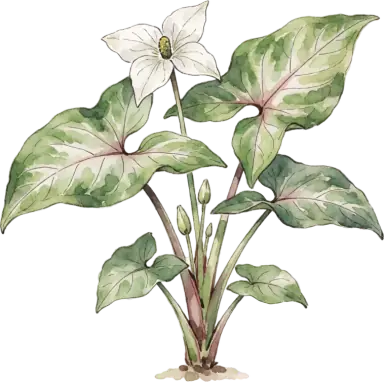 Arrowhead PlantSyngonium podophyllum
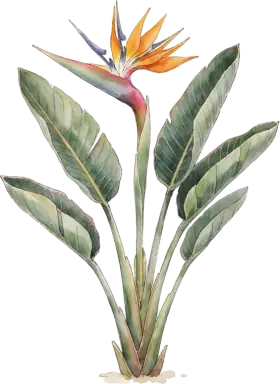 Bird of ParadiseStrelitzia reginae
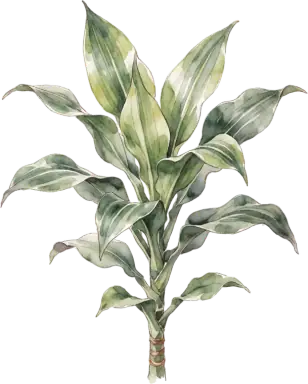 Corn PlantDracaena fragrans
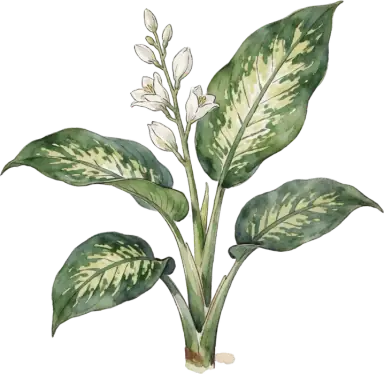 Dieffenbachia (Dumb Cane)Dieffenbachia seguine
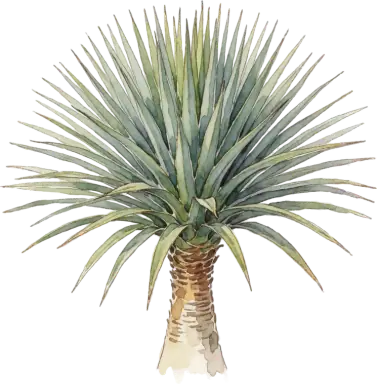 Dragon TreeDracaena marginata
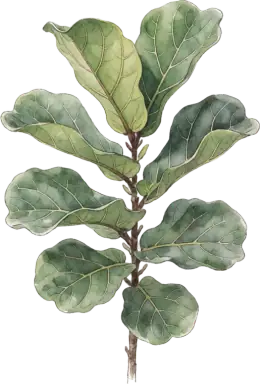 Fiddle-Leaf FigFicus lyrata
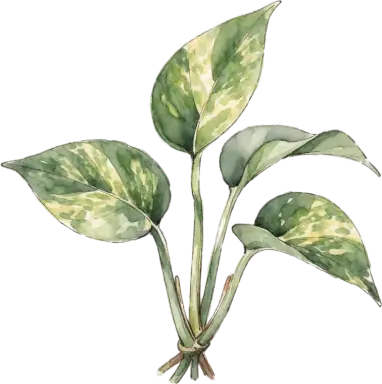 Golden PothosEpipremnum aureumoverwatering
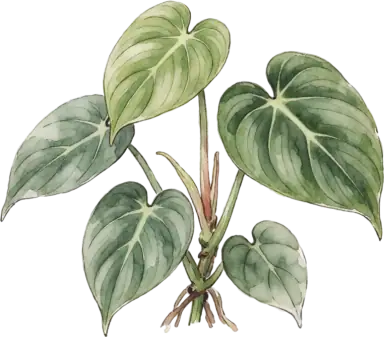 Heartleaf PhilodendronPhilodendron hederaceum
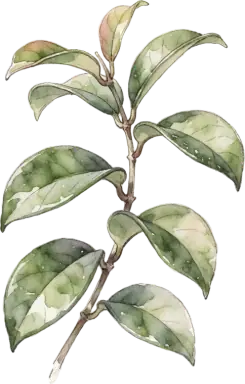 Hoya (Wax Plant)Hoya carnosa
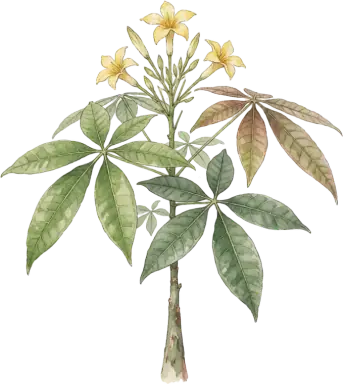 Money TreePachira aquaticaoverwatering
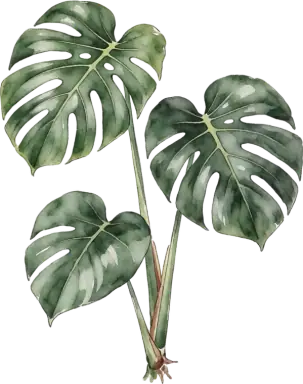 MonsteraMonstera deliciosaoverwatering
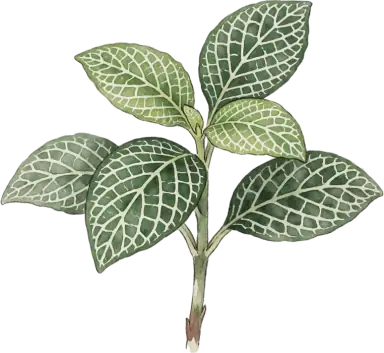 Nerve Plant (Fittonia)Fittonia albivenis
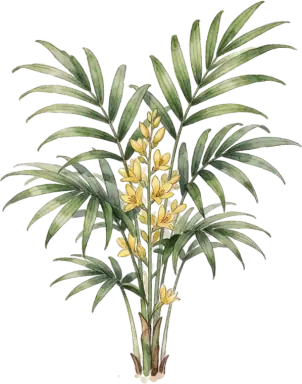 Parlor PalmChamaedorea elegans
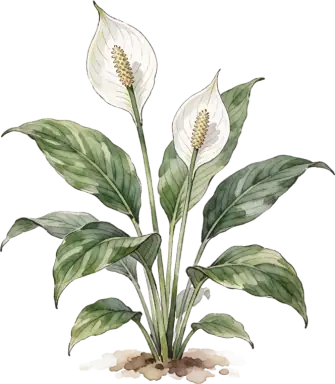 Peace LilySpathiphyllum wallisii
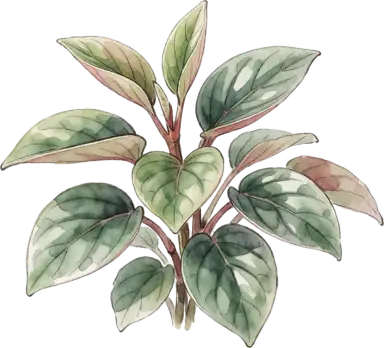 PeperomiaPeperomia spp.overwatering — the main killer
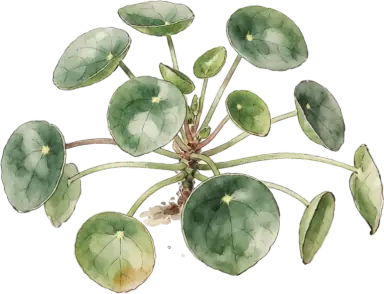 Pilea (Chinese Money Plant)Pilea peperomioides
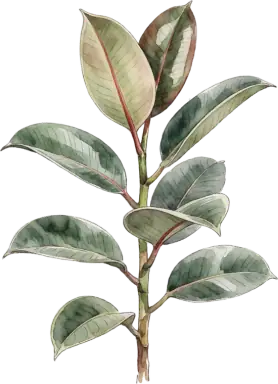 Rubber PlantFicus elastica
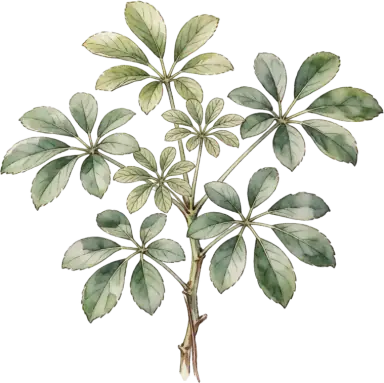 Schefflera (Umbrella Plant)Schefflera arboricola
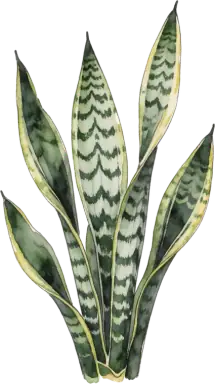 Snake PlantDracaena trifasciataoverwatering
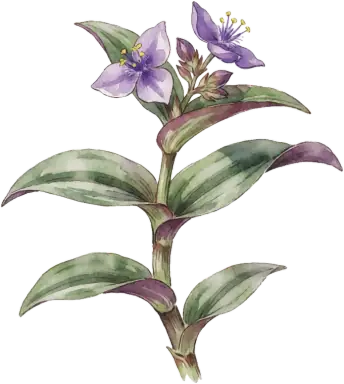 Wandering DudeTradescantia zebrina
Plant families hit hardest
Related plants often share the same problems, so if one plant in a family has it, check the others. The largest group here is Lamiaceae, with 10 of the 73 affected plants.
- Lamiaceae10 plants
- Araceae8 plants
- Rutaceae7 plants
- Asteraceae5 plants
- Asparagaceae4 plants
- Ericaceae4 plants
- Crassulaceae3 plants
- Acanthaceae2 plants
When to treat
There is no spray for it. Fix the drainage, water less, and repot if it is in a container.
Timing only — the label is the law
This page tells you when to watch for root rot and when treating is worth considering. It is not a recommendation to apply any particular product. Read and follow the product label before you spray — under federal law the label is the legal instruction, and using a pesticide against it is illegal.
- Check the pre-harvest interval. Every product that’s cleared for an edible crop sets a minimum number of days between spraying and picking. Find it on the label before you spray anything you intend to eat.
- Check the re-entry interval before you or anyone else works in the treated area again, and use the protective equipment the label names.
- Confirm the product is registered for your crop in your state. This page groups many different crops together, and a product legal on one of them is not legal on all of them — state registrations differ too. Your state pesticide agency or local extension office can confirm both.
- Rates and mixing instructions come from the label, never from us. We don’t publish them because they differ by product and formulation.
Other problems on the same plants
If a plant gets root rot, these are the problems it most often gets as well, so they are worth checking for while you are out there. They tend to appear together; one does not cause another.