Rosemary

Salvia rosmarinus

Family Lamiaceae

ShrubZones 6-10

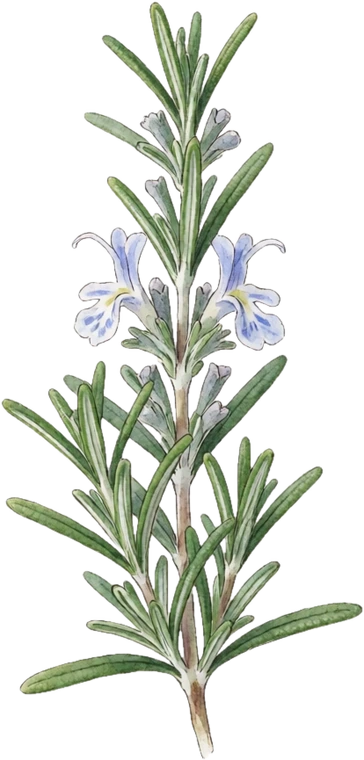
Botanical illustration of Rosemary

Rosemary means roast potatoes, focaccia, and a hand that smells like resin and pine all afternoon — a kitchen shrub you can cut lightly year-round instead of buying wilted sprigs in plastic. Its blue flowers are a quiet bonus the bees notice immediately.

Give rosemary full sun, lean dry ground, and shelter — a south wall in colder zones — and it builds into an evergreen 3-5 foot presence. 'Arp' is the hardy choice at the cold end of its range. Plant it by the kitchen door, where cooks belong.

Where to buy rosemary — 7 nurseries compared

  • Full Sun
  • Low water
  • Moderate growth
  • Attracts bees
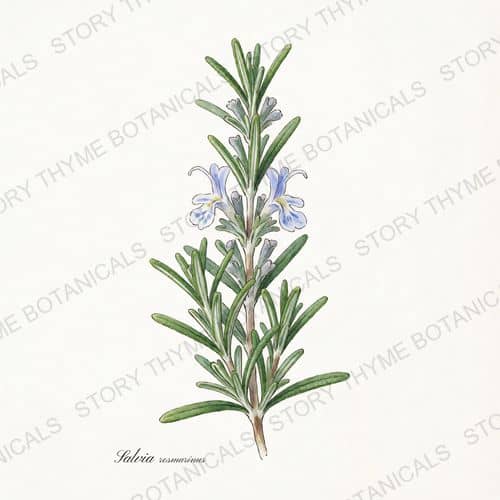
Rosemary — a print from the Plant Library collection

From the print shop

Growing rosemary? Hang it.

Our Plant Library collection carries rosemary — Salvia rosmarinus, print Nº 405, “Rosemary.”

526 designsfrom $12.99white or black backgroundmatte poster, unframed

Shop Plant Library botanical prints →

✓

Will it fruit where you are?

Enter your ZIP — we look up your USDA hardiness zone (2023 map) and check it against what rosemary actually needs.

Hardy inZones 6-10

Rosemary · Common problems

Common rosemary problems

Pests, diseases and weather to keep an eye on.

Pests

1 problem on file

  • Spittlebugs

Diseases

1 problem on file

Rosemary · Growing & propagation

Growing rosemary

Light, water, soil, propagation and the season’s jobs.
What it needsThe details
Light
Full Sun
Water
Low
Soil
Well-drained, sandy · pH 6.0 - 7.0
Fertilizer
Low
Pruning
Spring

Shape as needed.

Spacing
2-3 ft

How to plant & propagate rosemary

Propagate
Seed (stratify), cuttings, or layering

Rosemary · Seasonal care & spray guidance

The rosemary growing playbook

Field-tested instructions for every job rosemary asks of you, compiled from university extension guidance — in the order the season brings them.

While it is dormant

winter, before growth starts

1 job
What to watch forIn winter

Check overwintered plants for spider mites and whitefly

Every couple of weeks indoors, turn some shoots over and look for fine webbing, stippled or speckled leaves, and small flying insects. Rinse an infestation off in the sink and open up the air circulation rather than reaching for a spray. Low winter light and dry indoor heat stress the plant, and thrips, aphids, whiteflies, mealybugs and spider mites build up quickly on foliage you intend to eat.

As growth begins

early spring

1 job
HarvestingAt green tip

Cut the drying harvest as the flower buds form

When the flower buds have swelled but before they open, cut the leafy shoot tips for drying, taking no more than a third of the plant at once. Hang the bundles upside down somewhere warm, dark and airy, then strip the dry leaves into an airtight jar. The volatile oils that carry rosemary's flavor peak in the leaves as the plant comes into bud, so foliage cut once the blossoms open is noticeably weaker.

Just after bloom

as the fruit sets

1 job
PruningAt petal fall

Trim lightly once the flowers fade, never into bare wood

As the last flowers drop, trim the soft leafy growth back to shape the plant, taking no more than a third of it. Always cut where leaves are still attached and stop short of the bare brown wood below. Rosemary breaks poorly from old wood, so a stem cut back past its leaves has nothing left to resprout from, and an old straggly plant is better replaced than cut hard.

Through summer

the growing season

1 job
WateringIn summer

Water only after the soil has gone dry

Once a plant is established in the ground, let the rain do the work and skip supplemental watering except in a real drought. Water containers only when the top of the mix is dry to the touch, and never leave a saucer standing full. Rosemary wants light, sandy, sharply drained soil and its roots rot in ground that stays wet, so waterlogging kills far more plants than drought does.

After harvest

autumn, and putting it to bed

1 job
ProtectionIn autumn

Get tender rosemary under cover before the first frost

In zone 7 and colder, move container plants indoors two to three weeks before your first frost and set them in a cool south-facing window with good air circulation and a clay pot that dries fast. Site in-ground plants in a sheltered spot out of the winter wind, mulch the roots, and drape fleece over them when a hard freeze is forecast. The species is only reliably hardy in zones 8 to 10, and even the hardy cultivars need a slow autumn hardening-off before they can take a hard freeze.

Rosemary · Calculators & field guides

A little help in the garden.

Calculators for the figures. Field guides for the hands-on work.

Rosemary · Yearly calendar

The rosemary year, month by month

What rosemary asks for, month by month.

Jan

HarvestJanuary to December

MonthJanFebMarAprMayJunJulAugSepOctNovDec
Bloom
Prune
Harvest

BloomMarch to August

PruneMarch to May

HarvestJanuary to December

What each band means

  • Bloom — flowers open — pollinators working, frost on blossoms is the danger.
  • Prune — shape it now — cuts heal cleanly and structure is visible.
  • Harvest — picking time — check ripeness every few days.

These are the species' typical months — expect them a few weeks earlier in warm zones and later in cold ones. Watch the plant, not just the calendar.

Rosemary · Ecology & uses

Ecology & uses

What it does for the garden, and what it is grown for.
Botanical illustration of Rosemary

Salvia rosmarinus

Rosemary in the garden system

  • Herbaceous layer shrub
Attracts
Bees
Moisture
Upland / dry
Deer
Browsed

Protect young plants

Origin
Introduced

What rosemary is grown for

✓ Commonly eaten

Use
Culinary
Edible value
3/5

Harvesting & storing rosemary

Year-round (lightly).

Edibility, identification, and traditional-use notes here are general reference — not medical or veterinary advice, and not a claim that any plant treats or prevents anything. Medicinal ratings record how strongly a plant features in herbal tradition, nothing more. Never eat or dose a plant you have not positively identified. More on how to use this library.

Rosemary · Varieties & cultivars

Best rosemary varieties & cultivars

There are far more than these — the ones below are the named varieties of rosemary people actually plant.

Named varieties of rosemary differ in winter-chill needs, ripening time, hardiness, and whether they set fruit on their own — pick one that fits your climate.

8 varieties

Arp

Zones
6-10
Size
Upright, about 5 feet

The benchmark winter-hardy rosemary, holding in zone 7 and in zone 6b with protection. Needs a slow autumn hardening-off to make it through a hard freeze.

Where to buy ‘Arp’

Story Thyme Farms may earn a small commission from these links, at no cost to you — it never changes what we recommend.

Sources & plant identity

Know what you’re growing.
See where the knowledge comes from.

Botanical illustration of Rosemary

Rosemary

Salvia rosmarinus

The plant, at a glance.

Botanical name
Salvia rosmarinus
Plant family
Lamiaceae
Growth habit
Shrub · Perennial
Origin
Introduced
USDA plant symbol
ROOF
Invasive risk
Low
Every garden is different.

Hardiness, size and timing vary with your cultivar, soil and climate.

Rooted in research.

University extension research, brought together with hands-on growing experience at Story Thyme Farms.

Explore Rosemary’s sources5 reference links
for Rosemary

Research from these sources

Publisher marks identify sources, not sponsorship or endorsement.

Questions

Rosemary questions, answered straight.

Is rosemary safe for kids and pets?

Rosemary is commonly eaten and isn't considered toxic, but "commonly eaten" isn't a guarantee for any particular person or animal — allergies, quantity, and which part you eat all matter. Never eat a plant you haven't positively identified, and check with a vet before letting pets or livestock graze anything new.

When do you harvest rosemary?

Year-round (lightly).

How do you propagate rosemary?

Seed (stratify), cuttings, or layering.

Elsewhere

Where rosemary sits in the library.

Where rosemary sits in the library

Grows in the same world