Comfrey

Symphytum × uplandicum

Family Boraginaceae

PerennialZones 4-9

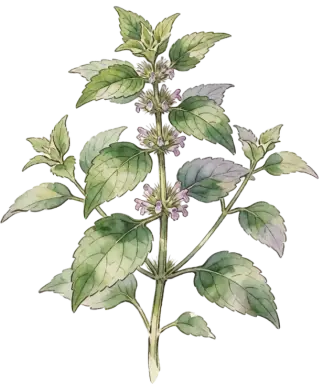
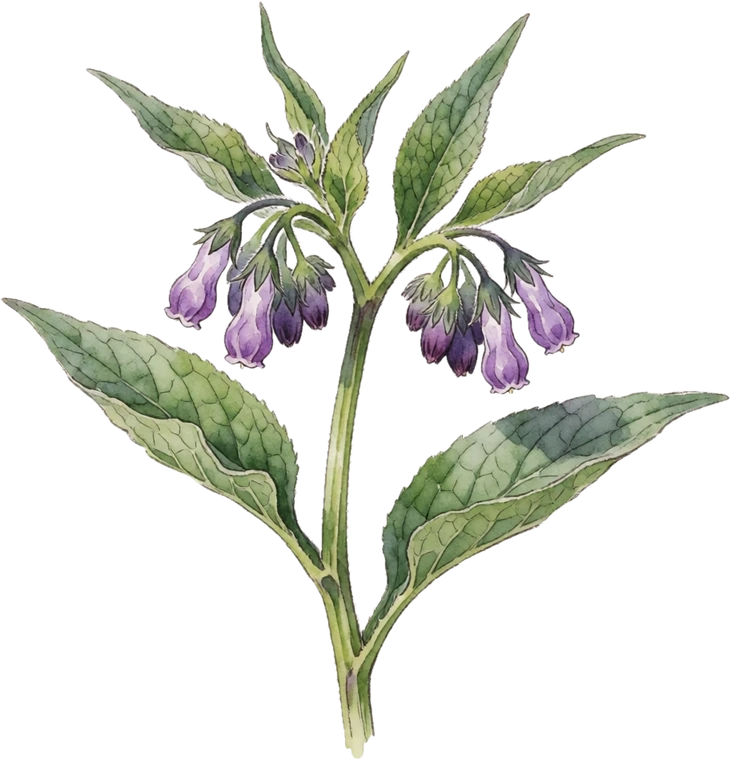
Botanical illustration of Comfrey

Comfrey is the hardest-working plant in a food garden that you never eat: a deep-rooted fertility engine whose leaves regrow fast enough to cut several times a season for mulch, compost fuel, and traditional skin salves. Bees crowd its bloom while it quietly mines nutrients for everything nearby.

This is the sterile Russian hybrid, so it sets no seed and stays exactly where you put it instead of wandering the roadside. Fast, shade-tolerant, and 2-3 feet tall, it belongs under fruit trees and beside compost bins — choose its spot once, because those roots mean forever.

⚠ Spreads aggressivelyComfrey spreads vigorously and regrows from bits of root, so it's very hard to fully remove once established — give it a contained bed or a spot where it can roam freely, and edge it every year.

Where to buy comfrey — 2 nurseries compared

  • Full Sun to Shade
  • Moderate water
  • Very Fast growth
  • Salt-tolerant
  • Attracts bees
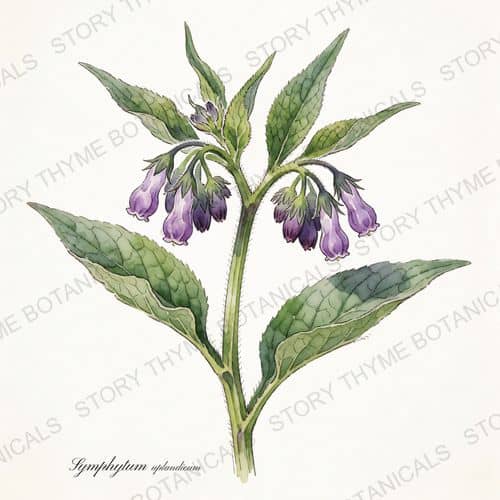
Comfrey — a print from the Plant Library collection

From the print shop

Growing comfrey? Hang it.

Our Plant Library collection carries comfrey — Symphytum uplandicum, print Nº 125, “Comfrey.”

526 designsfrom $12.99white or black backgroundmatte poster, unframed

Shop Plant Library botanical prints →

✓

Will it fruit where you are?

Enter your ZIP — we look up your USDA hardiness zone (2023 map) and check it against what comfrey actually needs.

Hardy inZones 4-9

Comfrey · Common problems

Common comfrey problems

Pests, diseases and weather to keep an eye on.

Pests

1 problem on file

  • None specific

Diseases

1 problem on file

  • None specific

Comfrey · Comfrey strains

The Bocking strains

Why garden comfrey is sterile, and which number to plant.

Garden comfrey is Russian comfrey (Symphytum × uplandicum), a sterile hybrid — it sets no seed, so unlike common comfrey it can't sow itself into a roadside weed. You increase it only by root cuttings or crown division.

In the 1950s Lawrence D. Hills — who went on to found the organic-gardening HDRA — trialed 21 comfrey strains at Bocking, Essex and numbered them Bocking 1–21. Only two are still grown today, and they split by job:

  • Bocking 14 — the gardener's strain: the highest potassium (~7% potash), the best comfrey-rust resistance, and thin leaves that rot down fast. The champion for chop-and-drop mulch, compost, and “comfrey tea.”
  • Bocking 4 — the forage strain: deeper-rooted and more drought-hardy, higher in protein and lower in the alkaloids that make comfrey unsafe to eat — the pick if animals will graze it.
  • Plant it once, on purpose. The deep taproot that mines minerals also makes an established clump very hard to dig out — put it where you want it for good, under fruit trees.
  • Not for the kitchen. Comfrey's pyrrolizidine alkaloids are hepatotoxic; treat it as a topical and garden herb, never a regular edible.

Pick your strain in the cultivar catalogue below.

Comfrey · Growing & propagation

Growing comfrey

Light, water, soil, propagation and the season’s jobs.
What it needsThe details
Light
Full Sun to Shade
Water
Moderate
Soil
Adaptable · pH 6.0 - 7.0
Fertilizer
High Nitrogen feeder

Use urine or manure

Pruning
Throughout season

Cut to ground for mulch ('Chop and Drop').

Spacing
2-3 ft

How to plant & propagate comfrey

Propagate
Root cuttings or crown division only

Sterile, sets no seed

Comfrey · Seasonal care & spray guidance

The comfrey growing playbook

Field-tested instructions for every job comfrey asks of you, compiled from university extension guidance — in the order the season brings them.

As growth begins

early spring

3 jobs
FeedingIn spring

Feed nitrogen through the cutting season

Soil test before planting and work the fertilizer into the top 6 inches. On an established patch, apply roughly 1 to 2 teaspoons of 21-0-0 per square foot per month through the growing season. Comfrey is not a legume and cannot fix its own nitrogen, and you carry the entire leaf mass off the plant several times a year. Every cutting exports nitrogen the plant has to replace before it can push the next flush.

DividingIn spring

Start new plants from root cuttings or crown divisions

Comfrey can go in any time from April to September, but it establishes best in spring. Lay root cuttings flat 2 to 4 inches deep, putting the longer pieces deeper, and set crown divisions or transplants upright about 2 inches deep. Space rows 2 to 3 feet apart in a checkerboard, tightening the spacing if you want more leaf per square foot. Comfrey rarely produces seed, so cuttings and divisions are the only practical way to increase it. Root cuttings take 3 to 6 weeks to push buds while crown divisions break ground in about 10 days, which is why divisions are the choice when you want leaf the same year.

What to watch forIn spring

Walk the edge of the patch and pull strays early

Each spring, look for shoots coming up outside the bed you planted, especially anywhere you dug or moved soil last year. Lift young strays whole while the root is still shallow. Control weeds in the patch by shallow cultivation only, and avoid damaging comfrey roots, which sets the plant back. Comfrey is propagated from root cuttings precisely because root pieces develop buds and grow on, so soil-moving work around a patch tends to spread it rather than remove it. Utah State Extension warns comfrey can become invasive if it is not contained or controlled, which is why it is worth checking the edges once a year while strays are still small.

Through summer

the growing season

1 job
WateringIn summer

Water when the top 2 inches go dry

Check the soil between cuttings and water once the top 2 inches are noticeably dry. Aim for moderate, steady moisture rather than letting the patch swing between soaked and bone dry. The roots run deep enough that comfrey rides out drought, but it still prefers moderate soil moisture, and the leafy regrowth you are asking for after each cut is mostly water.

Harvest time

as it ripens, and picking

1 job
HarvestingAt harvest

Cut leaves every two weeks, 2 inches above the crown

Leave the plant alone the first year and start cutting in year two. Once established, gather a bunch of leaves and cut about 2 inches above the ground every 2 weeks through the growing season. If you want root as well, dig from one side of the root system only so the plant carries on. Cutting low and often keeps the crown pushing fresh leaf instead of running to flower, and the first season is what the plant needs to build the deep root that funds every later cut.

Comfrey · Companion plants

Comfrey companion plants

Good companions

Underlined names have their own growing guide in this library.

Comfrey · Calculators & field guides

A little help in the garden.

Calculators for the figures. Field guides for the hands-on work.

Comfrey · Yearly calendar

The comfrey year, month by month

What comfrey asks for, month by month.

Jan

PruneJanuary to December

MonthJanFebMarAprMayJunJulAugSepOctNovDec
Bloom
Prune
Harvest

BloomMarch to August

PruneJanuary to December

HarvestMay to September

What each band means

  • Bloom — flowers open — pollinators working, frost on blossoms is the danger.
  • Prune — shape it now — cuts heal cleanly and structure is visible.
  • Harvest — picking time — check ripeness every few days.

These are the species' typical months — expect them a few weeks earlier in warm zones and later in cold ones. Watch the plant, not just the calendar.

Comfrey · Ecology & uses

Ecology & uses

What it does for the garden, and what it is grown for.
Botanical illustration of Comfrey

Symphytum × uplandicum

Comfrey in the garden system

  • Herbaceous layer perennial
  • Dynamic accumulator
  • Nectary/insectary
Attracts
Bees
Moisture
Facultative / average
Salt
Salt-tolerant

Fine near roads and coasts

Deer
Browsed

Protect young plants

Origin
Introduced

What comfrey is grown for

! Some parts toxic — see notesNever take internally — pyrrolizidine alkaloids cause sinusoidal obstruction syndrome and severe liver injury (FDA asked manufacturers to remove oral comfrey supplements in 2001). Topical use only, on intact skin, in short courses (EMA: about 10 days; Germany caps 4-6 weeks a year). Avoid in pregnancy and breastfeeding, and use caution on children.

Use
Mulch
Use
Compost Activator
Traditional use
Salve (Medicinal)
Traditional use rating
3/5 in herbal tradition

Harvesting & storing comfrey

Cut 3-4 times/season.

Edibility, identification, and traditional-use notes here are general reference — not medical or veterinary advice, and not a claim that any plant treats or prevents anything. Medicinal ratings record how strongly a plant features in herbal tradition, nothing more. Never eat or dose a plant you have not positively identified. More on how to use this library.

Comfrey · Varieties & cultivars

Best comfrey varieties & cultivars

There are far more than these — the ones below are the named varieties of comfrey people actually plant.

Comfrey's named strains are the Bocking series — sterile Russian comfrey (Symphytum × uplandicum) selections bred by Lawrence D. Hills at Bocking, Essex in the 1950s and numbered from his trial plots. Sterile selections such as Bocking 14 do not produce viable seed: multiply them by root cuttings or crown division. They do not self-seed, but pieces of root left in the soil can regrow. Bocking 14 is the one most gardeners want: rust-resistant, the highest in potassium, with a deep taproot that mines minerals for chop-and-drop fertilizer. Bocking 4 is the beefier forage strain.

Which type are you growing? Non-sterile common comfrey (Symphytum officinale) can also grow from seed; seed-grown common comfrey is not Bocking 14. Non-sterile comfrey can spread invasively by seed and is hard to remove once established; root fragments can regrow. Follow the root-cutting guide.

2 varieties

Bocking 14

Zones
3-9
Disease
excellent (best comfrey-rust resistance)
Size
~2-3 ft; slender wingless stems

The garden standard and the strain you'll usually find. Sterile — sets no seed — with the highest potassium of any comfrey (~7% potash) and the top rust resistance. Its thin flower stems break down fast, so it's the pick for chop-and-drop mulch, compost activation, and 'comfrey tea'. Slightly higher pyrrolizidine alkaloids than Bocking 4, so keep it out of the kitchen and off livestock feed.

Where to buy ‘Bocking 14’

Story Thyme Farms may earn a small commission from these links, at no cost to you — it never changes what we recommend.

Sources & plant identity

Know what you’re growing.
See where the knowledge comes from.

Botanical illustration of Comfrey

Comfrey

Symphytum × uplandicum

The plant, at a glance.

Botanical name
Symphytum × uplandicum
Plant family
Boraginaceae
Growth habit
Perennial
Origin
Introduced
USDA plant symbol
SYUP
Invasive risk
Spreads aggressively
Every garden is different.

Hardiness, size and timing vary with your cultivar, soil and climate.

Rooted in research.

University extension research, brought together with hands-on growing experience at Story Thyme Farms.

Explore Comfrey’s sources5 reference links
for Comfrey

Research from these sources

Publisher marks identify sources, not sponsorship or endorsement.

Questions

Comfrey questions, answered straight.

Is comfrey safe for kids and pets?

With care. Never take internally — pyrrolizidine alkaloids cause sinusoidal obstruction syndrome and severe liver injury (FDA asked manufacturers to remove oral comfrey supplements in 2001). Topical use only, on intact skin, in short courses (EMA: about 10 days; Germany caps 4-6 weeks a year). Avoid in pregnancy and breastfeeding, and use caution on children. Site it accordingly if children or pets roam the garden. This is general reference, not medical or veterinary advice — call a vet or poison control if something has actually been eaten.

When do you harvest comfrey?

Cut 3-4 times/season.

What grows well with comfrey?

Proven companions include fruit trees (chop-and-drop mulch under them) — the full companion list, and what to keep away, is in the Growing tab above.

How do you propagate comfrey?

Root cuttings or crown division only — sterile, sets no seed.

Is comfrey invasive?

It can be an aggressive spreader — give it room or a barrier, and check your state's invasive-species list before planting.

Elsewhere

Where comfrey sits in the library.

Where comfrey sits in the library

Grows in the same world