Rubber Plant
Ficus elastica
Family Moraceae
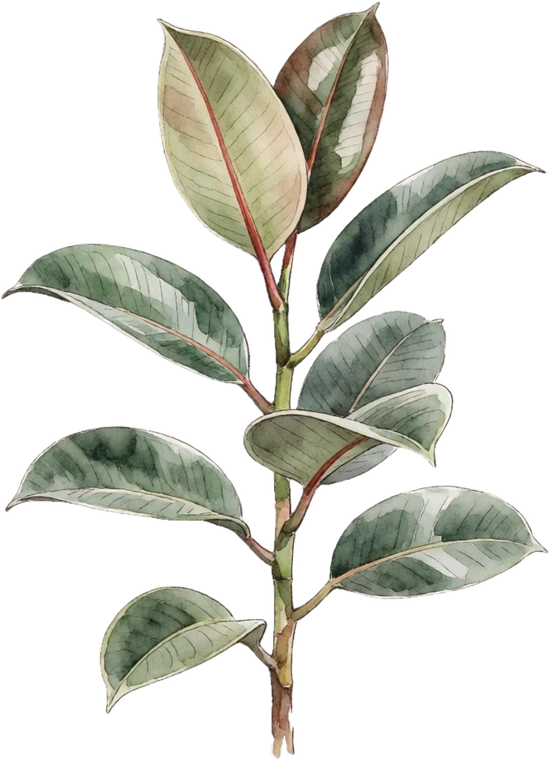
Everything the fiddle-leaf fig promises, the rubber plant delivers with half the tantrums: broad, polished leaves — deep green or moody burgundy — on a plant that grows into a genuine indoor tree of four to ten feet without staging a protest over every draft.
Its mid-century good looks belong beside a leather chair, and its temperament belongs with normal, busy people. The leaves and sap aren't for pets to sample, so style it up out of nibbling range. For a first statement tree, this is the honest choice.
 Bright indirect
 Moderate water
 Moderate-Fast growth
 None winter chill
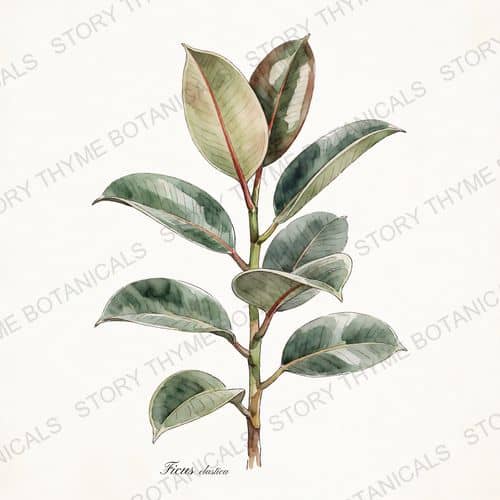
From the print shop
Growing rubber plant? Hang it.
Our Plant Library collection carries rubber plant — Ficus elastica, print Nº 406, “Rubber Plant.”
526 designsfrom $12.99white or black backgroundmatte poster, unframed
Will it thrive where you are?
Enter your ZIP — we look up your USDA hardiness zone (2023 map) and check it against what rubber plant actually needs.
 Hardy inZones 10-12
Rubber Plant · Common problems
Common rubber plant problems

Pests
2 problems on file

Diseases
2 problems on file
- Leaf drop from cold drafts
- Root Rot
Rubber Plant · Growing & propagation
Growing rubber plant
- Light
- Bright indirect
Burgundy types tolerate a bit less
- Water
- Moderate
Dry an inch down between waterings
 Soil
Soil- Well-drained mix · pH 6.0 - 7.0
 Fertilizer
- Monthly in season
 Pruning
- Spring
Top it to force branching (it bleeds white latex — paper towel it); wipe leaves glossy.
 Spacing
- One per pot
How to plant & propagate rubber plant
- Propagate
- Stem/leaf cuttings, division, or pups
Rubber Plant · Calculators & field guides
A little help in the garden.
Rubber Plant · Yearly calendar
The rubber plant year, month by month
Jan
No calendar activity is listed for this month.
PrunePruneMarch to May
What each band means
- Prune — shape it now — cuts heal cleanly and structure is visible.
These are the species' typical months — expect them a few weeks earlier in warm zones and later in cold ones. Watch the plant, not just the calendar.
Rubber Plant · Ecology & uses
Ecology & uses
Ficus elastica
Rubber Plant in the garden system
- Moisture
- Facultative / average
 Deer
Deer- Browsed
Protect young plants
 Origin
- Introduced
What rubber plant is grown for
! Some parts toxic — see notesToxic to cats/dogs; latex sap irritates
 Use
Use- Statement plant
- Use
- Mid-century rooms
Edibility, identification, and traditional-use notes here are general reference — not medical or veterinary advice, and not a claim that any plant treats or prevents anything. Medicinal ratings record how strongly a plant features in herbal tradition, nothing more. Never eat or dose a plant you have not positively identified. More on how to use this library.
Rubber Plant · Varieties & cultivars
Choosing a rubber plant variety
'Burgundy'; 'Tineke' (cream variegated); 'Ruby' (pink)
Sources & plant identity
Know what you’re growing.
See where the knowledge comes from.
Rubber Plant
Ficus elastica
The plant, at a glance.
- Botanical name
- Ficus elastica
- Plant family
- Moraceae
- Growth habit
- Houseplant · Perennial
- Origin
- Introduced
- USDA plant symbol
- FIEL
- Invasive risk
- Low
Hardiness, size and timing vary with your cultivar, soil and climate.
Rooted in research.
University extension research, brought together with hands-on growing experience at Story Thyme Farms.
for Rubber Plant
Research from these sources



Publisher marks identify sources, not sponsorship or endorsement.
Questions
Rubber Plant questions, answered straight.
Is rubber plant safe for kids and pets?
With care. Toxic to cats/dogs; latex sap irritates Site it accordingly if children or pets roam the garden. This is general reference, not medical or veterinary advice — call a vet or poison control if something has actually been eaten.
How do you propagate rubber plant?
Stem/leaf cuttings, division, or pups.
Elsewhere
Where rubber plant sits in the library.
 Monstera
 Golden Pothos
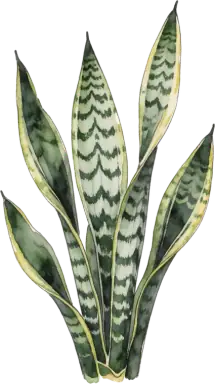 Snake Plant
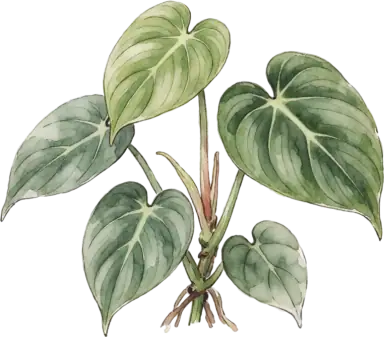 Heartleaf Philodendron