Valerian

Valeriana officinalis

Family Caprifoliaceae

PerennialZones 4-8

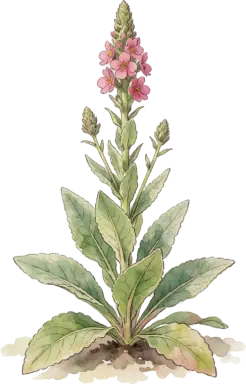
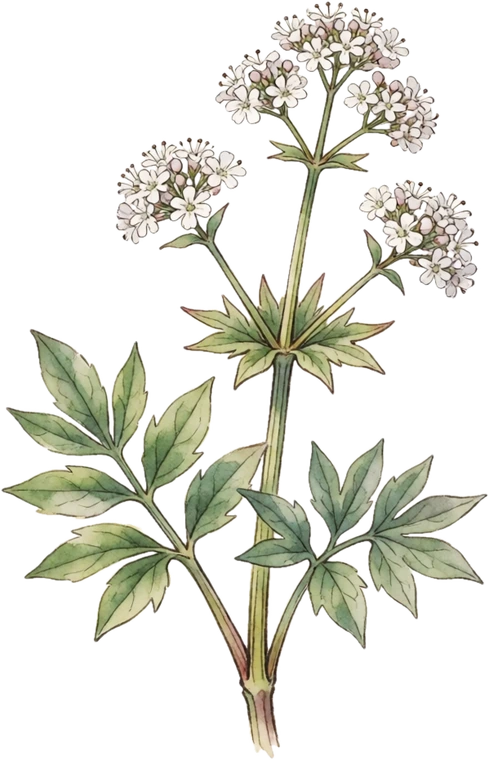
Botanical illustration of Valerian

Valerian tops four-foot stems with clouds of honey-scented white lace that pollinators mob all summer — and beneath them grows the most famous sleep root in European herbalism, dug in fall and dried for the bedtime tea generations swore by.

Happy with damp feet where fussier perennials rot, it lends airy height to the back of a border and asks very little. Fair warning delivered with a smile: neighborhood cats adore the patch nearly as much as catnip. Plant it where the tall lace can lean over everything.

Where to buy valerian — 2 nurseries compared

  • Full Sun to Part Shade
  • Moderate water
  • Fast growth
  • Attracts bees
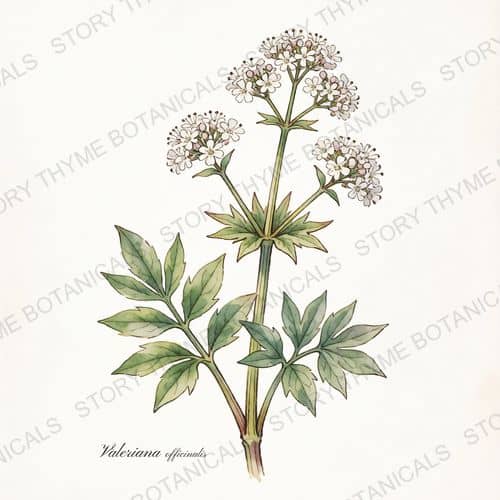
Valerian — a print from the Plant Library collection

From the print shop

Growing valerian? Hang it.

Our Plant Library collection carries valerian — Valeriana officinalis, print Nº 493, “Valerian.”

526 designsfrom $12.99white or black backgroundmatte poster, unframed

Shop Plant Library botanical prints →

✓

Will it fruit where you are?

Enter your ZIP — we look up your USDA hardiness zone (2023 map) and check it against what valerian actually needs.

Hardy inZones 4-8

Valerian · Common problems

Common valerian problems

Pests, diseases and weather to keep an eye on.

Pests

1 problem on file

  • Cats — they roll in it like catnip

Diseases

1 problem on file

  • Few

Valerian · Growing & propagation

Growing valerian

Light, water, soil, propagation and the season’s jobs.
What it needsThe details
Light
Full Sun to Part Shade
Water
Moderate-High

Likes damp feet

Soil
Rich, moist · pH 5.5 - 7.0
Fertilizer
Compost yearly
Pruning
Cut stalks after bloom

Deadhead unless you want seedlings; dig outer root crowns for harvest, replant the center.

Spacing
18-24 in

How to plant & propagate valerian

Propagate
Division or seed

Valerian · Seasonal care & spray guidance

The valerian growing playbook

Field-tested instructions for every job valerian asks of you, compiled from university extension guidance — in the order the season brings them.

As growth begins

early spring

4 jobs
SowingIn spring

Start seed shallow - valerian needs light to germinate

Sow into flats or a prepared bed and cover no deeper than half an inch (1 cm), pressing the seed into contact with damp soil rather than burying it. Seed started in a greenhouse can be moved out after your last frost. Valerian seed requires light to germinate, so seed buried deeper than about half an inch never gets the signal to break dormancy.

Planting outIn spring

Set transplants on 12 to 15 inch centers after last frost

Move seedlings out once the ground can be worked and frost has passed, spacing them 12 to 15 inches apart into moist, rich loam at pH 6.0 to 7.0. Full sun gives the sturdiest plants, though partial shade is tolerated. A plant that reaches three to five feet tall needs that footprint to build root mass, and tight spacing raises total yield per acre but produces lighter individual roots - the trade you are making at planting.

FeedingIn spring

Feed nitrogen - it drives the root you are growing for

Apply a standard NPK fertilizer as growth resumes, and side-dress established second-year plants with compost. Extra nitrogen is the single most important input in valerian cultivation, because the crop is the root and top growth is what fills it.

DividingIn spring

Lift and divide the whole planting every third year

Every three years, dig the entire planting, split the crowns, and replant the best divisions at fresh spacing. Divisions come true where seedlings vary. Valerian spreads by rhizome into a crowded clump, and crowded crowns compete with themselves for the moisture and nitrogen that would otherwise go into root.

While it flowers

at bloom

1 job
PruningAt bloom

Cut the flower heads off before they set seed

As the white-pink clusters open, cut the flowering stalks out at the base. Do not let a single head go to seed if you are anywhere near wild ground. Flower removal is standard practice in valerian production to prevent weedy seedling establishment, and the plant spreads by both seed and rhizome once it gets loose.

Through summer

the growing season

1 job
WateringThrough summer

Keep soil consistently moist through summer

Water through dry spells to hold the soil evenly moist. Valerian will take occasionally dry or occasionally wet ground, but it does not thrive in either. This is a plant of cool, rainy woodland edges, and consistent moisture is the condition it grows fastest under - a root crop that checks in a drought does not catch back up.

After harvest

autumn, and putting it to bed

1 job
HarvestingIn autumn

Dig roots in fall, after frost - and consider year one, not year two

Dig whole roots in fall after the first frost, once the top growth has been knocked back and yellows to the ground. Wash them, then dry in the shade with a gentle air flow and low heat, under 100F (40C). Frost signals the plant has moved its reserves down into the root, which is where the sedative compounds sit. Drying hot or in sun drives off the essential oil you dug the plant for.

Valerian · Calculators & field guides

A little help in the garden.

Calculators for the figures. Field guides for the hands-on work.

Valerian · Yearly calendar

The valerian year, month by month

What valerian asks for, month by month.

Jan

No calendar activity is listed for this month.

MonthJanFebMarAprMayJunJulAugSepOctNovDec
Bloom
Harvest

BloomJune to July

HarvestSeptember to November

What each band means

  • Bloom — flowers open — pollinators working, frost on blossoms is the danger.
  • Harvest — picking time — check ripeness every few days.

These are the species' typical months — expect them a few weeks earlier in warm zones and later in cold ones. Watch the plant, not just the calendar.

Valerian · Ecology & uses

Ecology & uses

What it does for the garden, and what it is grown for.
Botanical illustration of Valerian

Valeriana officinalis

Valerian in the garden system

  • Herbaceous layer perennial
  • Nectary/insectary
Attracts
Bees
Moisture
Facultative / average
Deer
Browsed

Protect young plants

Origin
Introduced

What valerian is grown for

✓ Commonly eatensedative use; the smell is the hazing ritual

Traditional use
Sleep tea
Use
Tall border lace
Use
Herbalist staple
Edible value
3/5
Traditional use rating
4/5 in herbal tradition

Harvesting & storing valerian

ROOTS, fall of year 2-3: the classic sleep herb (smells like old socks — that's correct).

Edibility, identification, and traditional-use notes here are general reference — not medical or veterinary advice, and not a claim that any plant treats or prevents anything. Medicinal ratings record how strongly a plant features in herbal tradition, nothing more. Never eat or dose a plant you have not positively identified. More on how to use this library.

Valerian · Varieties & cultivars

Choosing a valerian variety

Match the plant to your climate, season and available space.

Officinalis (the medicinal); don't confuse with red valerian (Centranthus — ornamental only)

Sources & plant identity

Know what you’re growing.
See where the knowledge comes from.

Botanical illustration of Valerian

Valerian

Valeriana officinalis

The plant, at a glance.

Botanical name
Valeriana officinalis
Plant family
Caprifoliaceae
Growth habit
Perennial
Origin
Introduced
USDA plant symbol
VAOF
Invasive risk
Low
Every garden is different.

Hardiness, size and timing vary with your cultivar, soil and climate.

Rooted in research.

University extension research, brought together with hands-on growing experience at Story Thyme Farms.

Explore Valerian’s sources3 reference links
for Valerian

Research from these sources

Publisher marks identify sources, not sponsorship or endorsement.

Questions

Valerian questions, answered straight.

Is valerian safe for kids and pets?

Valerian is commonly eaten and isn't considered toxic, but "commonly eaten" isn't a guarantee for any particular person or animal — allergies, quantity, and which part you eat all matter. One caveat on this one: sedative use; the smell is the hazing ritual. Never eat a plant you haven't positively identified, and check with a vet before letting pets or livestock graze anything new.

When do you harvest valerian?

ROOTS, fall of year 2-3: the classic sleep herb (smells like old socks — that's correct).

How do you propagate valerian?

Division or seed.

Elsewhere

Where valerian sits in the library.