Feverfew

Tanacetum parthenium

Family Asteraceae

PerennialZones 5-9

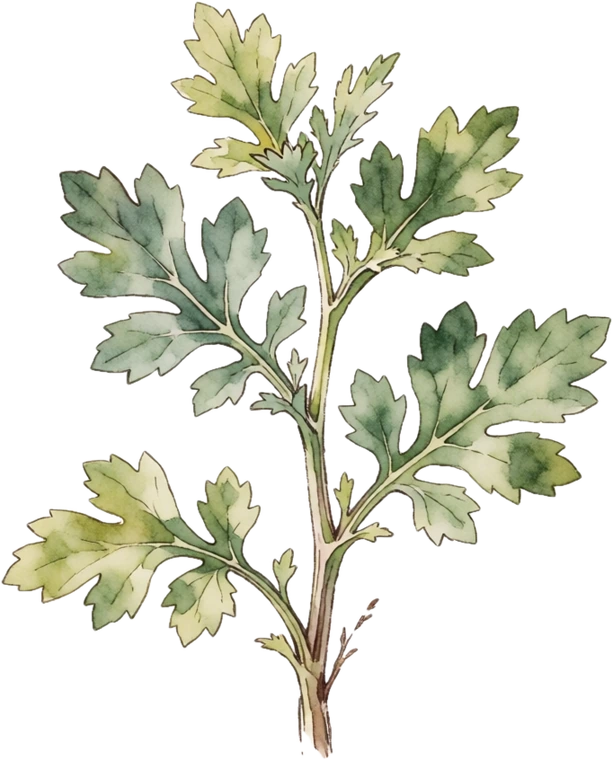
Botanical illustration of Feverfew

Feverfew froths with sprays of penny-sized daisies from summer into fall — cottage-garden cheer with a serious footnote, because this is the traditional migraine-prevention herb of Europe, studied for generations. A charmer for bouquets first; a working herb only with your doctor's blessing.

Compact at one to two feet, it slots into borders and herb beds, feeds bees, and cuts beautifully for little jars on a windowsill. Left alone it self-sows into a permanent patch — a plant that decides to stay. Give it a sunny edge and let it settle in.

Where to buy feverfew — 6 nurseries compared

  • Full Sun
  • Low water
  • Fast growth
  • Attracts bees
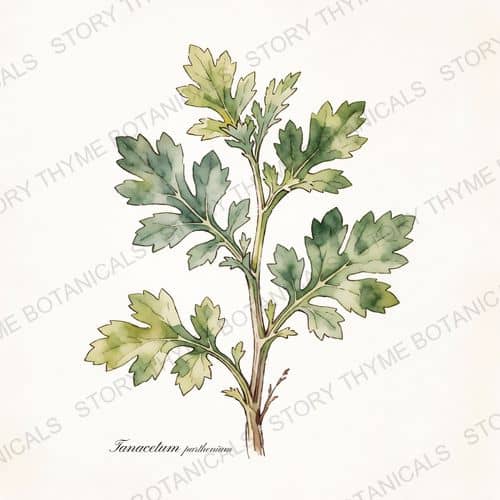
Feverfew — a print from the Plant Library collection

From the print shop

Growing feverfew? Hang it.

Our Plant Library collection carries feverfew — Tanacetum parthenium, print Nº 181, “Feverfew.”

526 designsfrom $12.99white or black backgroundmatte poster, unframed

Shop Plant Library botanical prints →

✓

Will it fruit where you are?

Enter your ZIP — we look up your USDA hardiness zone (2023 map) and check it against what feverfew actually needs.

Hardy inZones 5-9

Feverfew · Common problems

Common feverfew problems

Pests, diseases and weather to keep an eye on.

Pests

1 problem on file

  • Almost none (aromatics repel most)

Diseases

1 problem on file

  • Few

Feverfew · Growing & propagation

Growing feverfew

Light, water, soil, propagation and the season’s jobs.
What it needsThe details
Light
Full Sun
Water
Low-Moderate
Soil
Average, drained · pH 6.0 - 7.0
Fertilizer
None
Pruning
After bloom shear

Shear post-bloom to tidy and limit the enthusiastic self-seeding.

Spacing
10-12 in

How to plant & propagate feverfew

Propagate
Division or seed

Feverfew · Seasonal care & spray guidance

The feverfew growing playbook

Field-tested instructions for every job feverfew asks of you, compiled from university extension guidance — in the order the season brings them.

As growth begins

early spring

1 job
SowingIn spring

Sow feverfew on the surface, about two weeks before last frost

Sow roughly two weeks before your predicted last frost date. Press the seed onto the soil surface and tamp it in lightly rather than covering it. Hold seedlings near 65 to 70 F by day and 50 F at night; germination takes 10 to 15 days. Space transplants 9 to 12 inches apart. Feverfew seed requires light to germinate, so soil raked over the top simply holds it dormant instead of covering it in.

While it flowers

at bloom

1 job
HarvestingAt bloom

Cut the top two-thirds before or during bloom

Harvest any time from before bloom through full bloom by taking the top two thirds of the plant. Leave about four inches of stem for regrowth so you can take a second cut later in the season (per Manitoba Agriculture), and harvest early enough to allow sufficient time for that regrowth. Cutting twice in a season yields more total dry material than a single harvest. Dry the cut material in shade out of direct sunlight, then rub it through quarter-inch hardware cloth to separate the leaves and flowers from the stems. Leaf and flower are the marketable and medicinal fraction, standardized on parthenolide, and the stems are screened out afterward, so the harvest is timed and cut to take the leafy top rather than the whole plant.

Through summer

the growing season

1 job
What to watch forThrough summer

Check leaf undersides for spider mites

Turn a few leaves over through the summer and look for fine stippling and webbing. Feverfew has no serious disease or insect problems, so mites are the one pest worth tracking on this plant. Spider mites are the only pest that reliably troubles feverfew, and they build up on the undersides of leaves where the damage is easy to miss until the foliage is bronzed.

After harvest

autumn, and putting it to bed

1 job
PruningAfter harvest

Shear off spent blooms before the seed ripens

Deadhead or shear the spent blooms off as soon as they fade rather than leaving them to brown on the plant. If the planting has already spread, pull the volunteer seedlings while they are small. Feverfew self-seeds aggressively, and every seed head left to ripen becomes next season's colony in the surrounding bed.

Feverfew · Calculators & field guides

A little help in the garden.

Calculators for the figures. Field guides for the hands-on work.

Feverfew · Yearly calendar

The feverfew year, month by month

What feverfew asks for, month by month.

Jan

No calendar activity is listed for this month.

MonthJanFebMarAprMayJunJulAugSepOctNovDec
Bloom

BloomJune to September

What each band means

  • Bloom — flowers open — pollinators working, frost on blossoms is the danger.

These are the species' typical months — expect them a few weeks earlier in warm zones and later in cold ones. Watch the plant, not just the calendar.

Feverfew · Ecology & uses

Ecology & uses

What it does for the garden, and what it is grown for.
Botanical illustration of Feverfew

Tanacetum parthenium

Feverfew in the garden system

  • Herbaceous layer perennial
  • Nectary/insectary
Attracts
Bees
Moisture
Upland / dry
Deer
Browsed

Protect young plants

Origin
Introduced

What feverfew is grown for

! Some parts toxic — see notesChewing fresh leaves causes mouth ulcers in roughly 1 in 10 users. Not for use in pregnancy — it may stimulate uterine contractions — or alongside blood thinners, and it can trigger allergic skin reactions in people sensitive to ragweed and daisies. ASPCA has no feverfew entry, but lists related Chrysanthemum species as toxic to dogs, cats and horses.

Traditional use
Migraine tradition
Use
Cut mini-daisies
Use
Self-sowing
Traditional use rating
4/5 in herbal tradition

Harvesting & storing feverfew

Leaves — the traditional migraine-prevention herb (eaten in a sandwich or dried; bitter).

Edibility, identification, and traditional-use notes here are general reference — not medical or veterinary advice, and not a claim that any plant treats or prevents anything. Medicinal ratings record how strongly a plant features in herbal tradition, nothing more. Never eat or dose a plant you have not positively identified. More on how to use this library.

Feverfew · Varieties & cultivars

Choosing a feverfew variety

Match the plant to your climate, season and available space.

'Aureum' (gold leaf); double-flowered 'Flore Pleno'

Sources & plant identity

Know what you’re growing.
See where the knowledge comes from.

Botanical illustration of Feverfew

Feverfew

Tanacetum parthenium

The plant, at a glance.

Botanical name
Tanacetum parthenium
Plant family
Asteraceae
Growth habit
Perennial
Origin
Introduced
USDA plant symbol
TAPA6
Invasive risk
Low
Every garden is different.

Hardiness, size and timing vary with your cultivar, soil and climate.

Rooted in research.

University extension research, brought together with hands-on growing experience at Story Thyme Farms.

Explore Feverfew’s sources3 reference links
for Feverfew

Research from these sources

Publisher marks identify sources, not sponsorship or endorsement.

Questions

Feverfew questions, answered straight.

Is feverfew safe for kids and pets?

With care. Chewing fresh leaves causes mouth ulcers in roughly 1 in 10 users. Not for use in pregnancy — it may stimulate uterine contractions — or alongside blood thinners, and it can trigger allergic skin reactions in people sensitive to ragweed and daisies. ASPCA has no feverfew entry, but lists related Chrysanthemum species as toxic to dogs, cats and horses. Site it accordingly if children or pets roam the garden. This is general reference, not medical or veterinary advice — call a vet or poison control if something has actually been eaten.

When do you harvest feverfew?

Leaves — the traditional migraine-prevention herb (eaten in a sandwich or dried; bitter).

How do you propagate feverfew?

Division or seed.

Elsewhere

Where feverfew sits in the library.