Shallot

Allium cepa var. aggregatum

Family Amaryllidaceae

BulbZones 2-11

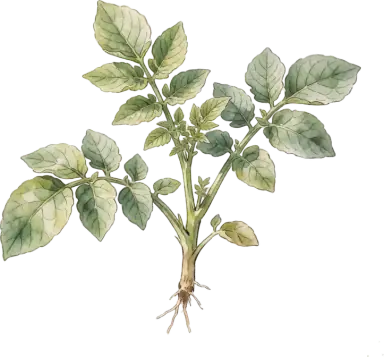
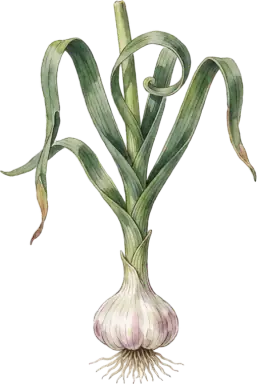
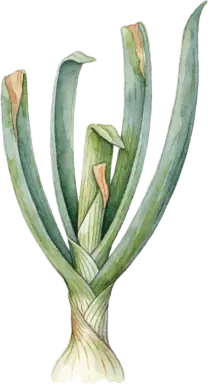
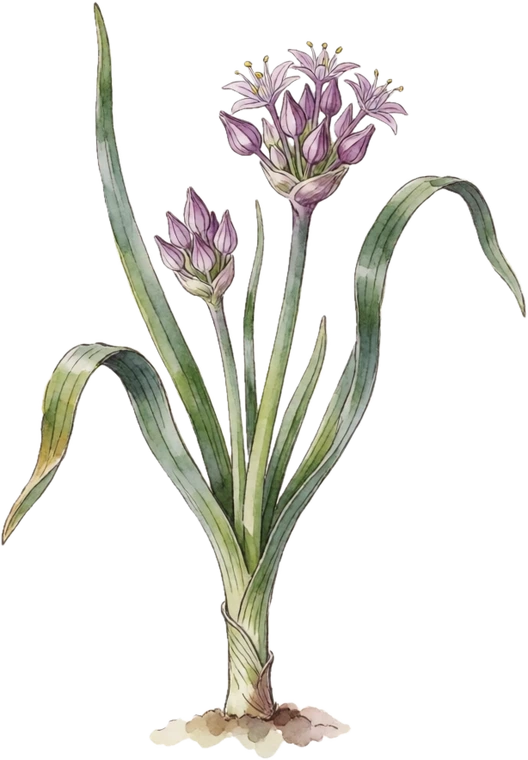
Botanical illustration of Shallot

Plant one shallot and dig up a fistful: each bulb multiplies into a cluster of six to ten, ready when the tops flop in midsummer. This is the chef's onion — mild, sweet, wine-friendly — the one that makes a pan sauce taste professional, at grocery prices that never made sense.

Absurdly easy is the honest assessment: full sun, a fast season, and a crop that cures dry and stores until spring on a pantry shelf. Bees and butterflies visit any you let flower. Like all onions it is no treat for dogs or cats, so keep the harvest yours. One short row pays for itself all winter.

Where to buy shallot — 4 nurseries compared

  • Full Sun
  • Moderate water
  • Fast growth
  • Excellent edible
  • Attracts bees
  • Attracts butterflies
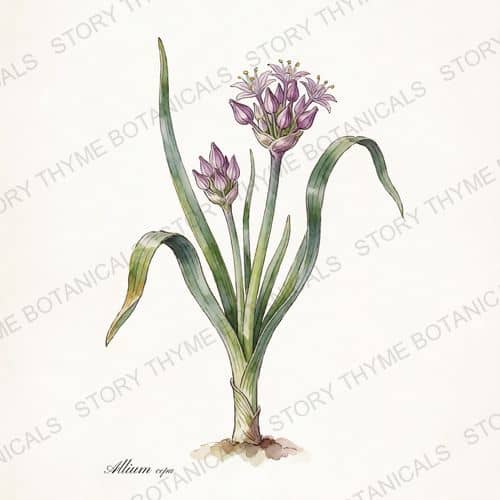
Shallot — a print from the Plant Library collection

From the print shop

Growing shallot? Hang it.

Our Plant Library collection carries shallot — Allium cepa, print Nº 427, “Shallot.”

526 designsfrom $12.99white or black backgroundmatte poster, unframed

Shop Plant Library botanical prints →

✓

Will it fruit where you are?

Enter your ZIP — we look up your USDA hardiness zone (2023 map) and check it against what shallot actually needs.

Life cycleBiennial, grown as an annual

Shallot · Common problems

Common shallot problems

Pests, diseases and weather to keep an eye on.

Pests

2 problems on file

Diseases

3 problems on file

Shallot · Growing & propagation

Growing shallot

Light, water, soil, propagation and the season’s jobs.
What it needsThe details
Light
Full Sun
Water
Moderate, even

Taper as tops fall

Soil
Loose, rich, drained · pH 6.0 - 7.0
Fertilizer
Compost at planting

Light N early

Pruning
None

Plant single bulbs in fall (z6+) or early spring; each multiplies into a clump.

Spacing
6 in

How to plant & propagate shallot

Maturity
90-120 days
From seed
Plant bulbs/sets in fall or early spring
Propagate
From seed

Shallot · Seasonal care & spray guidance

The shallot growing playbook

Field-tested instructions for every job shallot asks of you, compiled from university extension guidance — in the order the season brings them.

When to spray shallot

Growing season. Rotate alliums; cure well before storing.

As growth begins

early spring

3 jobs
SowingIn spring

Plant sets or seed as soon as the ground can be worked

Work compost and a complete fertilizer into the top 6 inches, then plant bulb sets 1 to 2 inches deep in early spring as soon as the soil is workable. Space sets 3 to 6 inches apart in rows 12 to 18 inches apart; sow seed 1/2 inch deep and thin to 2 to 4 inches. Tight spacing gives you single bulbs, wide spacing gives clusters of 10 to 15. Shallots need to build leaves before day length triggers bulbing, and every leaf standing at that moment becomes a ring of bulb, so a late start costs you size you cannot get back.

FeedingIn spring

Side-dress nitrogen twice, then stop before bulbing

Side-dress about 1/2 pound of 21-0-0 per 100 square feet roughly 30 days after planting and again at 60 days, watering it in. Then stop. Do not keep feeding once the tops are up and bulbs begin to swell. Nitrogen late in the season pushes leaf growth at the expense of the bulb and leaves thick, soft necks that never cure tight, which is exactly how a stored crop rots by midwinter.

ProtectionIn spring

Row cover against onion maggot, but only on rotated ground

Cover the bed with floating row cover at planting and seal the edges to keep egg-laying flies off the plants. Do this ONLY if no onions, shallots, garlic or leeks grew in that spot last year, and site the new bed as far from last year's allium ground as you can. Bury or destroy every cull bulb and volunteer instead of leaving them in the garden. Onion maggots overwinter as pupae in the soil right where their host grew, so cover laid over infested ground traps the emerging flies with your crop instead of excluding them, and cull piles are where the spring generation is born.

Through summer

the growing season

3 jobs
WateringThrough summer

Steady water through bulbing, then cut it off

Keep the soil near field capacity, moistening thoroughly to 8 to 12 inches; if the bed does not get an inch of rain a week, soak it thoroughly at least once a week. Use drip if you can and water in the morning rather than at night. Mulch to hold moisture and hold weeds down. Stop watering once bulbs have reached full size and the tops begin to fall. Shallots are shallow-rooted and need constant moisture, so the plant cannot chase water down the profile and bulbs sized under drought stress stay small. Wet foliage overnight is what lets Botrytis and downy mildew get started.

What to watch forThrough summer

Count thrips in the necks as bulbs size up

Once plants have at least 4 to 5 leaves, pry open the necks of about 50 plants across the bed and count the tiny straw-colored thrips before they scatter. Treat only if you average more than 15 per plant early or more than 30 per plant once bulbs are enlarging. Straw mulch, overhead sprinkling and clearing weedy debris and volunteer onions all knock populations back without a spray. Thrips rasp chlorophyll out of the leaves, and leaf area lost during bulb enlargement is bulb size lost. Counting matters because 60 to 75 percent of the population is eggs sunk inside leaf tissue where nothing you spray can reach them, so spraying on sight just kills the generation you can see.

SprayingThrough summer

Onion thrips: spinosad only once counts pass threshold

If counts exceed threshold during bulb enlargement, spray spinosad, directing it down into the center of the plants. Use high pressure and high water volume, which penetrates better into the inner neck where the thrips actually sit. Azadirachtin, kaolin clay and insecticidal soap are weaker alternatives. Rotate to a different mode of action between applications rather than repeating spinosad. Thrips shelter in the tight neck of the plant, so a spray that only wets the outer leaves misses most of them and selects for the survivors. Onion thrips have already developed widespread resistance to organophosphates and pyrethroids across the western US, which is what repeated same-class spraying buys you.

Harvest time

as it ripens, and picking

1 job
HarvestingAt harvest

Lift when the tops flop, then cure until the skins rustle

Pull green shallots any time the tops are 6 to 8 inches tall, about 50 to 60 days in. For dry bulbs, wait until the tops fall over on their own, then lift the plants and break the clusters into individual bulbs. Cure them 1 to 2 weeks until the leaves and skins are papery and the necks are tight, then store at 32 to 40 degrees in mesh bags. The tops falling is the plant closing the neck and moving the last of its reserves into the bulb; lift before that and the neck stays open, which is the door every storage rot walks through.

After harvest

autumn, and putting it to bed

1 job
SowingIn autumn

Optional fall planting for an earlier crop

Where winters are mild enough that the ground does not heave, set shallot bulbs after the first frost, 1 to 2 inches deep, for a late spring harvest. Mulch the bed once the ground chills. Fall sets overwinter as small rooted plants rather than pushing much top growth. Bulbs set in autumn root through winter and start leaf growth the moment soil warms, which puts more leaves on the plant before bulbing begins than a spring planting can manage.

Shallot · Calculators & field guides

A little help in the garden.

Calculators for the figures. Field guides for the hands-on work.

Shallot · Yearly calendar

The shallot year, month by month

What shallot asks for, month by month.

Jan

No calendar activity is listed for this month.

MonthJanFebMarAprMayJunJulAugSepOctNovDec
Harvest

HarvestJuly

What each band means

  • Harvest — picking time — check ripeness every few days.

These are the species' typical months — expect them a few weeks earlier in warm zones and later in cold ones. Watch the plant, not just the calendar.

Shallot · Ecology & uses

Ecology & uses

What it does for the garden, and what it is grown for.
Botanical illustration of Shallot

Allium cepa var. aggregatum

Shallot in the garden system

  • Root layer bulb
Attracts
Bees, Butterflies
Moisture
Facultative / average
Deer
Browsed

Protect young plants

Origin
Introduced

What shallot is grown for

! Some parts toxic — see notesToxic to dogs, cats and horses — organosulfur compounds cause Heinz-body haemolytic anaemia; also toxic to cattle, sheep and goats. Cats are the most sensitive.

Use
Gourmet cooking
Use
Vinaigrettes
Use
Long storage
Edible value
4/5

Harvesting & storing shallot

One planted bulb → a CLUSTER of 6-10, harvested when tops flop (midsummer). About 90-120 days from planting.

Edibility, identification, and traditional-use notes here are general reference — not medical or veterinary advice, and not a claim that any plant treats or prevents anything. Medicinal ratings record how strongly a plant features in herbal tradition, nothing more. Never eat or dose a plant you have not positively identified. More on how to use this library.

Shallot · Varieties & cultivars

Best shallot varieties & cultivars

There are far more than these — the ones below are the named varieties of shallot people actually plant.

Named varieties of shallot differ in winter-chill needs, ripening time, hardiness, and whether they set fruit on their own — pick one that fits your climate.

5 varieties

Conservor

Size
Elongated bulbs 2-3 inches long

Forms single elongated bulbs with few splits rather than the usual cluster, which makes for easier peeling and cleaner storage. Adapted to 37-60 degrees latitude, the widest range of the seed shallots, so it bulbs correctly further south than most.

Where to buy ‘Conservor’verified

Story Thyme Farms may earn a small commission from these links, at no cost to you — it never changes what we recommend.

Sources & plant identity

Know what you’re growing.
See where the knowledge comes from.

Botanical illustration of Shallot

Shallot

Allium cepa var. aggregatum

The plant, at a glance.

Botanical name
Allium cepa var. aggregatum
Plant family
Amaryllidaceae
Growth habit
Bulb · Biennial
Origin
Introduced
USDA plant symbol
ALCE
Invasive risk
Low
Every garden is different.

Hardiness, size and timing vary with your cultivar, soil and climate.

Rooted in research.

University extension research, brought together with hands-on growing experience at Story Thyme Farms.

Explore Shallot’s sources9 reference links
for Shallot

Research from these sources

Publisher marks identify sources, not sponsorship or endorsement.

Questions

Shallot questions, answered straight.

Is shallot safe for kids and pets?

With care. Toxic to dogs, cats and horses — organosulfur compounds cause Heinz-body haemolytic anaemia; also toxic to cattle, sheep and goats. Cats are the most sensitive. Site it accordingly if children or pets roam the garden. This is general reference, not medical or veterinary advice — call a vet or poison control if something has actually been eaten.

When do you harvest shallot?

One planted bulb → a CLUSTER of 6-10, harvested when tops flop (midsummer). From planting, expect about 90-120 days to maturity.

How do you propagate shallot?

From seed.

Elsewhere

Where shallot sits in the library.

Where shallot sits in the library

Grows in the same world