Goumi

Elaeagnus multiflora

Family Elaeagnaceae

ShrubZones 4-9

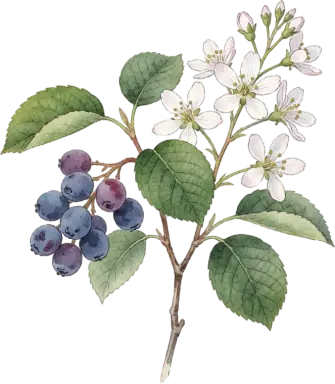
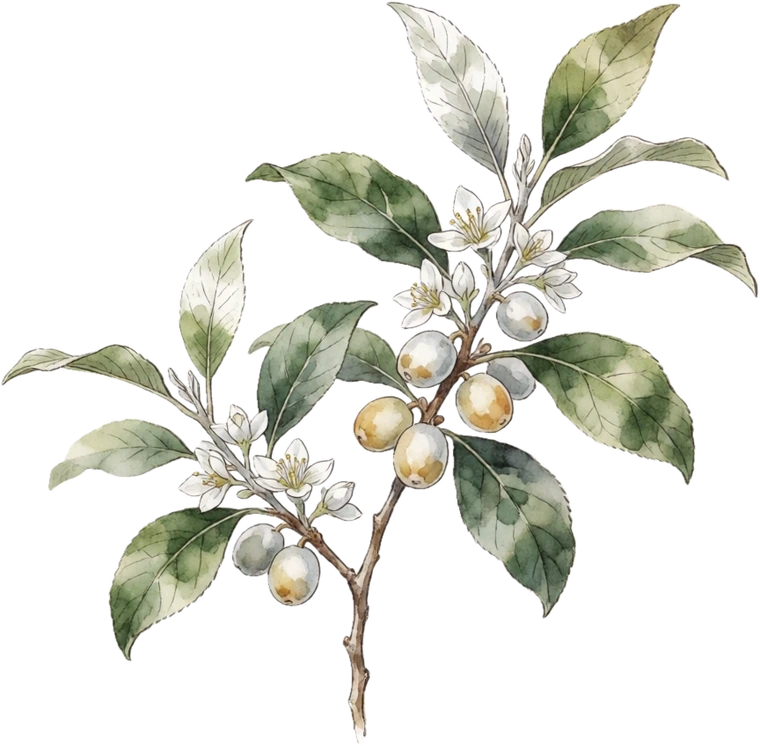
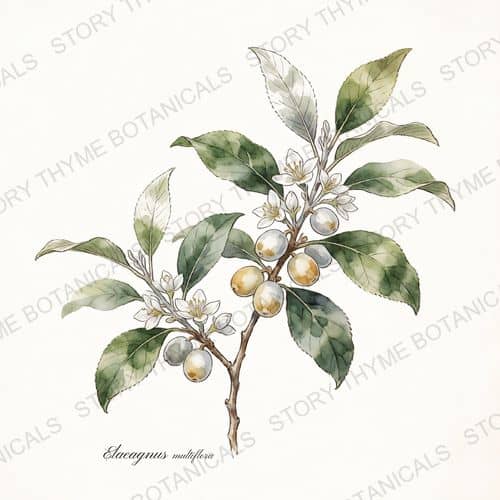
Botanical illustration of Goumi

Goumi ripens speckled red berries in June, earlier than almost any fruit in the yard — tart-sweet little cherries rich in lycopene, in quantity, from a shrub hardly anyone grows. Before that, its spring flowers perfume the whole garden and hand the first bees of the season a feast.

Underground it works a second job: goumi fixes nitrogen, quietly feeding the fruit trees planted near it, which is why permaculture designers tuck one beside every young orchard row. Poor soil is a feature, not a bug. Fast to 6 or 8 feet, hardy zones 4 to 9 — plant it where a fruit tree needs a generous neighbor.

Where to buy goumi — 2 nurseries compared

  • Full Sun to Part Shade
  • Low water
  • Fast growth
  • Excellent edible
  • Attracts bees
Goumi — a print from the Plant Library collection

From the print shop

Growing goumi? Hang it.

Our Plant Library collection carries goumi — Elaeagnus multiflora, print Nº 423, “Goumi.”

526 designsfrom $12.99white or black backgroundmatte poster, unframed

Shop Plant Library botanical prints →

✓

Will it fruit where you are?

Enter your ZIP — we look up your USDA hardiness zone (2023 map) and check it against what goumi actually needs.

Hardy inZones 4-9

Goumi · Common problems

Common goumi problems

Pests, diseases and weather to keep an eye on.

Pests

1 problem on file

  • Almost none

Diseases

1 problem on file

  • Almost none

Goumi · Growing & propagation

Growing goumi

Light, water, soil, propagation and the season’s jobs.
What it needsThe details
Light
Full Sun to Part Shade
Water
Low

Nitrogen-FIXER, thrives in poor soil

Soil
Any, tolerates poor/dry · pH 6.0 - 7.5
Fertilizer
None

Fixes its own N + feeds neighbors

Pruning
Late Winter

Renewal-prune; it fixes nitrogen so plant it AS a fertility shrub among fruit trees.

Spacing
5-6 ft

How to plant & propagate goumi

Propagate
Grafted, or from cuttings/layering

Seed won't come true

Goumi · Harvest & keeping

What you get from goumi

How long before it bears, how much it gives, how you know it is ready, and how long it keeps once picked.
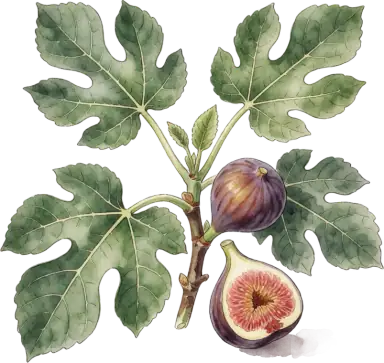
Botanical illustration of Goumi
Years to first harvest
2 to 3 years
Typical yield
5–15 lbs
What you eat
Fruit
How to tell it is ready
Speckled red and slightly translucent

Astringent until dead ripe, then honest sweet-tart

How long it keeps
3-5 days fresh

Freeze or jam

Goumi · Calculators & field guides

A little help in the garden.

Calculators for the figures. Field guides for the hands-on work.

Goumi · Yearly calendar

The goumi year, month by month

What goumi asks for, month by month.

Jan

No calendar activity is listed for this month.

MonthJanFebMarAprMayJunJulAugSepOctNovDec
Bloom
Prune
Harvest

BloomApril

PruneFebruary to March

HarvestJune to July

What each band means

  • Bloom — flowers open — pollinators working, frost on blossoms is the danger.
  • Prune — shape it now — cuts heal cleanly and structure is visible.
  • Harvest — picking time — check ripeness every few days.

These are the species' typical months — expect them a few weeks earlier in warm zones and later in cold ones. Watch the plant, not just the calendar.

Goumi · Ecology & uses

Ecology & uses

What it does for the garden, and what it is grown for.
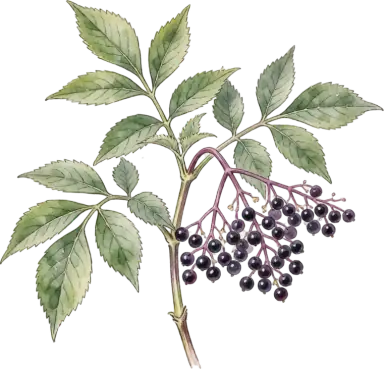
Botanical illustration of Goumi

Elaeagnus multiflora

Goumi in the garden system

  • Shrub layer shrub
  • N-fixer
  • Nectary/insectary
Attracts
Bees
Moisture
Upland / dry
Deer
Browsed

Protect young plants

Origin
Introduced

What goumi is grown for

✓ Commonly eatenastringent until fully ripe

Use
N-fixing guild shrub
Use
Early berries
Use
Fragrance
Edible value
4/5

Harvesting & storing goumi

June-July: speckled red cherries — tart-sweet, high in lycopene.

Edibility, identification, and traditional-use notes here are general reference — not medical or veterinary advice, and not a claim that any plant treats or prevents anything. Medicinal ratings record how strongly a plant features in herbal tradition, nothing more. Never eat or dose a plant you have not positively identified. More on how to use this library.

Goumi · Varieties & cultivars

Best goumi varieties & cultivars

There are far more than these — the ones below are the named varieties of goumi people actually plant.

Named varieties of goumi differ in winter-chill needs, ripening time, hardiness, and whether they set fruit on their own — pick one that fits your climate.

4 varieties

Sweet Scarlet

Also known as Sweet Scarlet TM

Partly self-fertile

Ripens
July
Zones
4-8
Size
5-6 ft shrub

sweet, reminiscent of pie cherries — Nursery lists it as hardy to minus 25F and partially self-fertile, and recommends planting it with Red Gem for cross-pollination and heavier crops. Bearing usually starts 2-3 years after planting.

Where to buy ‘Sweet Scarlet’

Story Thyme Farms may earn a small commission from these links, at no cost to you — it never changes what we recommend.


Sources & plant identity

Know what you’re growing.
See where the knowledge comes from.

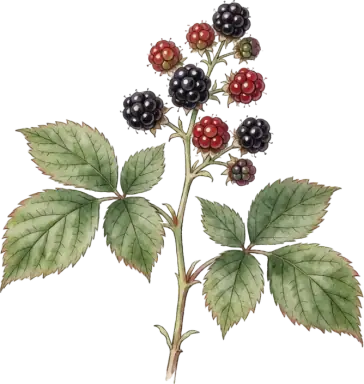
Botanical illustration of Goumi

Goumi

Elaeagnus multiflora

The plant, at a glance.

Botanical name
Elaeagnus multiflora
Plant family
Elaeagnaceae
Growth habit
Shrub · Perennial
Origin
Introduced
USDA plant symbol
ELMU
Invasive risk
Low
Every garden is different.

Hardiness, size and timing vary with your cultivar, soil and climate.

Rooted in research.

University extension research, brought together with hands-on growing experience at Story Thyme Farms.

Explore Goumi’s sources6 reference links
for Goumi

Questions

Goumi questions, answered straight.

Is goumi safe for kids and pets?

Goumi is commonly eaten and isn't considered toxic, but "commonly eaten" isn't a guarantee for any particular person or animal — allergies, quantity, and which part you eat all matter. One caveat on this one: astringent until fully ripe. Never eat a plant you haven't positively identified, and check with a vet before letting pets or livestock graze anything new.

When do you harvest goumi?

June-July: speckled red cherries — tart-sweet, high in lycopene.

How do you propagate goumi?

Grafted, or from cuttings/layering (seed won't come true).

Elsewhere

Where goumi sits in the library.

Where goumi sits in the library

Grows in the same world