Chicago Hardy
Also known as Bensonhurst Purple
Self-fertile
- Ripens
- Aug-Oct
- Zones
- 5-10
- Disease
- good
- Size
- 10-15 ft
sweet — Roots survive to zone 5 even if the top dies back
Where to buy ‘Chicago Hardy’verified
Story Thyme Farms may earn a small commission from these links, at no cost to you — it never changes what we recommend.
LSU Gold
Self-fertile
- Ripens
- July-Sept
- Zones
- 8-10
- Disease
- good
- Size
- 10-15 ft
large and sweet — A warm-climate favorite
Where to buy ‘LSU Gold’
Story Thyme Farms may earn a small commission from these links, at no cost to you — it never changes what we recommend.
Celeste
Also known as Celestial, Sugar Fig, Malta, Blue Celeste
Self-fertile
- Ripens
- Late July-Aug
- Zones
- 6-9
- Disease
- good (tight closed eye resists souring and dried-fruit beetle in humidity)
- Size
- vigorous; commonly 10-15 ft, larger in the Deep South
very sweet amber-to-rose flesh; excellent fresh, dried, or preserved — The classic Southern 'sugar fig'; its closed eye makes it a top pick for humid regions where other figs sour, though heavy loads can drop in a hot early summer. Bears a single heavy main crop.
Where to buy ‘Celeste’
Story Thyme Farms may earn a small commission from these links, at no cost to you — it never changes what we recommend.
Brown Turkey
Also known as Eastern Brown Turkey, Texas Everbearing (regional), English Brown Turkey
Self-fertile
- Ripens
- July-Sept (light breba plus main crop)
- Zones
- 6-10
- Disease
- moderate (open eye can sour in wet climates)
- Size
- 10-15 ft; responds well to hard pruning to 6-8 ft
mild, mellow-sweet; reliable fresh eating — The most widely sold, forgiving beginner fig; adaptable and productive, but the name covers several strains so buy from a reputable source.
Where to buy ‘Brown Turkey’verified
Story Thyme Farms may earn a small commission from these links, at no cost to you — it never changes what we recommend.
Black Mission
Also known as Mission, Franciscana, Beers Black
Self-fertile
- Ripens
- June breba, then Aug-Oct main crop
- Zones
- 7-10
- Disease
- moderate
- Size
- large, 15-25 ft if unpruned
rich, intense, deep-sweet; excellent both fresh and dried — The California standard for flavor and drying, giving two crops in long-season areas but wants heat and space and is only marginally cold-hardy.
Where to buy ‘Black Mission’
Story Thyme Farms may earn a small commission from these links, at no cost to you — it never changes what we recommend.
Kadota
Also known as Dottato, White Kadota
Self-fertile
- Ripens
- Aug-Oct
- Zones
- 7-10
- Disease
- good (thick skin and small eye resist splitting)
- Size
- large, vigorous, 15-20 ft
mild, low-seed, thick greenish-yellow skin; best for canning, preserves, and drying — The classic light-skinned canning fig; needs abundant summer heat to ripen its late main crop and benefits from heavy pruning.
Where to buy ‘Kadota’verified
Story Thyme Farms may earn a small commission from these links, at no cost to you — it never changes what we recommend.
LSU Purple
Self-fertile
- Ripens
- July through frost (often several flushes)
- Zones
- 7-9
- Disease
- good (bred for leaf-rust and disease tolerance)
- Size
- 6-12 ft; compact and precocious
mild, sweet, berry note; good fresh — LSU AgCenter release that fruits on very young plants (1-2 years) and can give up to three crops a season, making it ideal for small Gulf-Coast gardens.
Where to buy ‘LSU Purple’
Story Thyme Farms may earn a small commission from these links, at no cost to you — it never changes what we recommend.
Violette de Bordeaux
Also known as Negronne, Petite Negri, Petite Negra, VdB
Self-fertile
- Ripens
- Aug-Sept
- Zones
- 6-9
- Disease
- moderate to good
- Size
- compact, 6-10 ft; excellent in containers
rich, jammy, deep-berry; among the best-flavored dark figs — A naturally dwarf, top-flavor fig prized for small spaces and pot culture, letting cold-climate growers move it to shelter in winter.
Where to buy ‘Violette de Bordeaux’verified
Story Thyme Farms may earn a small commission from these links, at no cost to you — it never changes what we recommend.
Desert King
Also known as King, Charlie
Partly self-fertile
- Ripens
- Late June-Aug (breba crop)
- Zones
- 6-9
- Disease
- good; fruit holds up in maritime rain
- Size
- large, vigorous, 15-20 ft
- Pollination
- San Pedro type: breba crop is parthenocarpic (no pollinizer needed); main crop needs the fig wasp, which is absent in most of the US, so only the breba matures
sweet, strawberry-red flesh, green skin; excellent fresh — A San Pedro type whose heavy, reliable breba crop ripens without pollination, making it the standout choice for cool-summer, maritime climates like the Pacific Northwest. Plant one and expect a single (breba) crop.
Where to buy ‘Desert King’verified
Story Thyme Farms may earn a small commission from these links, at no cost to you — it never changes what we recommend.
Osborne Prolific
Also known as Neveralla, Archipel, Hardy Prolific, Rust
Self-fertile
- Ripens
- Aug-Sept
- Zones
- 7-9
- Disease
- moderate
- Size
- medium, 8-12 ft
very sweet, rich amber-to-strawberry flesh; dessert-quality fresh — A dependable low-heat cropper that ripens well in the Pacific Northwest and cool coastal North where heat-lovers struggle; fruit sizes up larger in cool climates.
Where to buy ‘Osborne Prolific’verified
Story Thyme Farms may earn a small commission from these links, at no cost to you — it never changes what we recommend.
Olympian
Self-fertile
- Ripens
- July breba, then Aug-Sept main crop
- Zones
- 6-9
- Disease
- moderate
- Size
- compact to medium, 6-10 ft; short and bushy
very large green-and-purple fruit, sweet violet flesh; good fresh — A cold-hardy heirloom rediscovered in Olympia, Washington that ripens two crops early enough for shorter, cool-summer seasons but also takes Southern humidity.
Where to buy ‘Olympian’verified
Story Thyme Farms may earn a small commission from these links, at no cost to you — it never changes what we recommend.
Alma
Self-fertile
- Ripens
- Late Aug-Oct
- Zones
- 7-9
- Disease
- good (resin-sealed closed eye resists souring and the dried-fruit beetle)
- Size
- 10-15 ft; moderately vigorous, precocious
rich, very sweet amber pulp; excellent fresh and preserved — A Texas A&M release (1975) valued for outstanding sweetness and an eye sealed with a drop of resin that resists spoilage in humid heat, though it ripens late and needs a long, warm season.
Where to buy ‘Alma’
Story Thyme Farms may earn a small commission from these links, at no cost to you — it never changes what we recommend.
Magnolia
Also known as Madonna, Brunswick Magnolia
Self-fertile
- Ripens
- Mid-July through August
- Zones
- 7-11
- Disease
- generally disease and insect resistant, but the open eye invites souring
- Size
- 4-10 ft tall, 6-12 ft wide
fair fresh, excellent for preserves; pink to amber flesh with tiny seeds — One of the largest figs in the trade, bronze-red with an open ostiole. Rated fair fresh but excellent for preserving, which is the reason to grow it. The open eye means insects get in, so pick promptly and expect souring pressure in wet years.
Where to buy ‘Magnolia’
Story Thyme Farms may earn a small commission from these links, at no cost to you — it never changes what we recommend.
Marseille
Also known as Marseilles, Oregon Prolific, St. Anthony Fig, White Genoa
Self-fertile
- Ripens
- Late July, sometimes a second crop in a hot summer
- Zones
- 6-9
- Disease
- generally free from insect pests and diseases
- Size
- 10-12 ft tall, 8-10 ft wide
small, sweet and rich; green-yellow to nearly white skin with rose seedy flesh — A white fig, also known as White Genoa, that NC State says was brought to the US by Thomas Jefferson and is rumored to have been his favorite. It produces on new wood, so it can be pruned back hard in early spring to maintain shape. At zone 6 it sits at the cold end of its range and needs winter protection.
Where to buy ‘Marseille’
Story Thyme Farms may earn a small commission from these links, at no cost to you — it never changes what we recommend.
Little Ruby
Self-fertile
- Zones
- 7-10
- Disease
- closed eye resists souring and the dried fruit beetle
- Size
- dwarf
Listed by NC State as a dwarf variety with a closed eye that can be grown in a pot. The closed ostiole is the trait that matters in humid regions, and dwarf habit makes it practical to move under cover for winter in cold zones. Zones given here are the species range from the NC State toolbox, not a cultivar-specific figure.
Where to buy ‘Little Ruby’verified
Story Thyme Farms may earn a small commission from these links, at no cost to you — it never changes what we recommend.
Hunt
Self-fertile
- Ripens
- July
- Zones
- 7-9
- Disease
- closed eye resists souring and the dried fruit beetle
- Size
- small to medium bush
good fresh, excellent for preserving; small pear-shaped fruit, dull bronze with white specks and violet-brown tones — Rated very cold hardy with a closed eye by UF/IFAS, and listed in Clemson's fig variety table as good fresh and excellent for preserving. The closed eye is its practical advantage in the humid Southeast, where an open ostiole invites souring. Zones reflect the South Carolina range Clemson grows it across rather than a published cultivar-specific figure.
Where to buy ‘Hunt’
Story Thyme Farms may earn a small commission from these links, at no cost to you — it never changes what we recommend.




 PruningIn February and March





 Serviceberry / Juneberry
 Elderberry
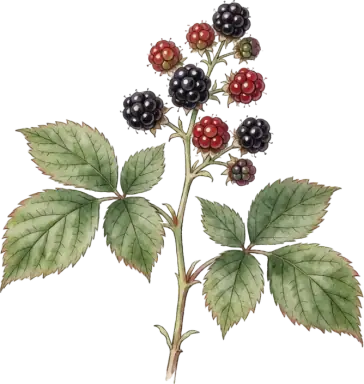 Blackberry
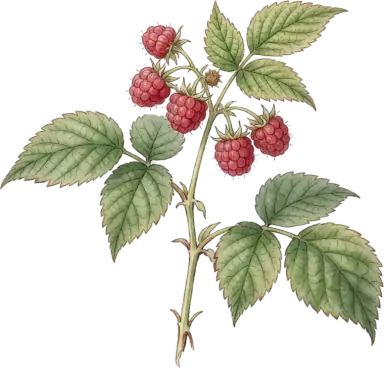 Raspberry