Wonderful
Self-fertile
- Chill
- 150–200 hrs
- Ripens
- Oct-Nov
- Zones
- 7-11
- Disease
- susceptible to fruit rot and cracking in humid climates
- Size
- 10-15 ft shrub/small tree, can be kept 6-10 ft
large, sweet-tart, berry-like; excellent fresh and for juice — The dominant commercial variety and best all-round choice in hot, dry-summer regions. UGA notes it performs poorly in the humid Southeast, where fruit rots and splits. Self-fertile; a single plant fruits, though a second plant can improve set.
Where to buy ‘Wonderful’verified
Story Thyme Farms may earn a small commission from these links, at no cost to you — it never changes what we recommend.
Salavatski
Also known as Salavatsky, Russian 8, Russian pomegranate
Self-fertile
- Chill
- 100–200 hrs
- Ripens
- Oct
- Zones
- 6-10
- Disease
- good; hard-seeded types tolerate humidity better
- Size
- 8-12 ft shrub, 8-10 ft spread
large, semi-sweet, deep red arils with hard seeds; good fresh and for juice — One of the most cold-hardy pomegranates, reported hardy to roughly 0 F, making it a leading choice for Zone 6b-7 gardeners. Self-fertile.
Where to buy ‘Salavatski’
Story Thyme Farms may earn a small commission from these links, at no cost to you — it never changes what we recommend.
Kazake
Also known as Kazak
Self-fertile
- Chill
- 100–200 hrs
- Ripens
- Sept-Oct
- Zones
- 6-10
- Disease
- good; hard-seeded and relatively humidity-tolerant
- Size
- 6-8 ft compact shrub
sweet-tart, medium arils with hard seeds — A cold-hardy Central Asian type with a naturally compact habit that suits smaller home gardens in cooler zones. Self-fertile. Cold-hardiness figures are anecdotal and vary by source.
Where to buy ‘Kazake’
Story Thyme Farms may earn a small commission from these links, at no cost to you — it never changes what we recommend.
Parfianka
Also known as Parfyanka
Self-fertile
- Chill
- 100–200 hrs
- Ripens
- Sept-Oct
- Zones
- 7-11
- Disease
- moderate
- Size
- 10-12 ft shrub/small tree
widely rated among the best-tasting pomegranates; rich, complex sweet-tart with soft, edible seeds — A connoisseur favorite for flavor and soft edible seeds, but it needs a long, hot growing season to ripen fully. Self-fertile.
Where to buy ‘Parfianka’verified
Story Thyme Farms may earn a small commission from these links, at no cost to you — it never changes what we recommend.
Eversweet
Self-fertile
- Chill
- 100–150 hrs
- Ripens
- Aug-Sept
- Zones
- 7-11
- Disease
- moderate
- Size
- 8-12 ft shrub, 6-8 ft spread
very sweet, low-acid, small soft seeds, nearly clear non-staining juice — Among the sweetest pomegranates, with nearly clear non-staining juice and soft edible seeds; ripens early, so it can fruit in shorter-season areas. Self-fertile.
Where to buy ‘Eversweet’verified
Story Thyme Farms may earn a small commission from these links, at no cost to you — it never changes what we recommend.
Angel Red
Also known as Smith
Self-fertile
- Chill
- 100–200 hrs
- Ripens
- Aug-Sept
- Zones
- 7-11
- Disease
- moderate
- Size
- 10-15 ft shrub/small tree
very juicy, sweet-tart, bright red arils with soft chewable seeds; superb for juicing — An early, extremely juicy variety with soft seeds; listed among the cultivars extension sources recommend for Georgia home gardens. Self-fertile.
Where to buy ‘Angel Red’
Story Thyme Farms may earn a small commission from these links, at no cost to you — it never changes what we recommend.
Sweet
Also known as Sweet Pomegranate
Self-fertile
- Chill
- 100–150 hrs
- Ripens
- Sept-Oct
- Zones
- 7-11
- Disease
- moderate
- Size
- 8-12 ft shrub
mild, notably sweet with low tartness; pink arils, good for fresh eating — Bears young and reliably, with low-acid sweetness that makes it approachable for fresh eating. Self-fertile. (Not specifically named in UGA's pomegranate recommendations.)
Where to buy ‘Sweet’
Story Thyme Farms may earn a small commission from these links, at no cost to you — it never changes what we recommend.
Nikitski Ranni
Also known as Nikitski Rannii, Early Nikitski
Self-fertile
- Chill
- 100–200 hrs
- Ripens
- Sept
- Zones
- 7-10
- Disease
- good in humid conditions
- Size
- 8-12 ft shrub
sweet-tart, medium-soft seeds; good fresh and for juice — Specifically recommended by UGA horticulturist Dan MacLean for the humid Southeast; ripens early and produces well (30-40 lb/tree in UGA trials) where Wonderful struggles. Self-fertile.
Where to buy ‘Nikitski Ranni’
Story Thyme Farms may earn a small commission from these links, at no cost to you — it never changes what we recommend.
Desertnyi
Also known as Desertny
Self-fertile
- Chill
- 100–200 hrs
- Ripens
- Sept-Oct
- Zones
- 7-10
- Disease
- moderate to good
- Size
- 8-12 ft shrub
distinctive sweet-tart with a citrus/spice note; soft seeds — A Central Asian cultivar prized for its unusual citrus-like flavor and soft edible seeds. Self-fertile. (Not specifically named in UGA's pomegranate recommendations.)
Where to buy ‘Desertnyi’
Story Thyme Farms may earn a small commission from these links, at no cost to you — it never changes what we recommend.
Utah Sweet
Self-fertile
- Zones
- 7-10
Sweet, light pink arils, clear juice; soft seeds — Soft-seeded with orange flowers and clear juice that does not stain like the dark-arilled types. Clemson rates it hardy to zone 7 with winter protection, making it one of the few soft-seeded cultivars worth trying outside zone 8.
Where to buy ‘Utah Sweet’
Story Thyme Farms may earn a small commission from these links, at no cost to you — it never changes what we recommend.
Granada
Self-fertile
- Ripens
- About one month earlier than Wonderful
- Zones
- 8-10
Darker red and less tart than Wonderful — A Wonderful sport that ripens roughly a month ahead of it with darker, sweeter fruit. The early ripening is the real reason to plant it: it beats autumn rain, which is what splits a hanging pomegranate.
Where to buy ‘Granada’
Story Thyme Farms may earn a small commission from these links, at no cost to you — it never changes what we recommend.
Ambrosia
Self-fertile
- Zones
- 8-10
Sweet, very large fruit — Grown for fruit size - Clemson describes it as very large and sweet. Needs winter protection anywhere above zone 8.
Where to buy ‘Ambrosia’verified
Story Thyme Farms may earn a small commission from these links, at no cost to you — it never changes what we recommend.
Nana
Also known as Dwarf Pomegranate
Self-fertile
- Zones
- 8-10
- Size
- 2-3 ft
Small fruit, mostly ornamental — A true dwarf at 2 to 3 feet with red-orange flowers and small fruit, and cold hardy for its size. Grown for the flowers and for container culture more than for eating - treat the fruit as a bonus.
Where to buy ‘Nana’
Story Thyme Farms may earn a small commission from these links, at no cost to you — it never changes what we recommend.
Afganski
Also known as Russian 26;R26
Self-fertile
- Zones
- 7-10
Sweet-tart, dark red arils — One of the Russian series Clemson lists for cold tolerance above the standard cultivars, with medium fruit and dark red arils praised for flavor. Zone rating reflects Clemson's grouping of the Russian series as the highest cold-tolerance tier rather than a cultivar-specific published figure.
Where to buy ‘Afganski’
Story Thyme Farms may earn a small commission from these links, at no cost to you — it never changes what we recommend.




 PruningIn winter

 Bloom
Bloom






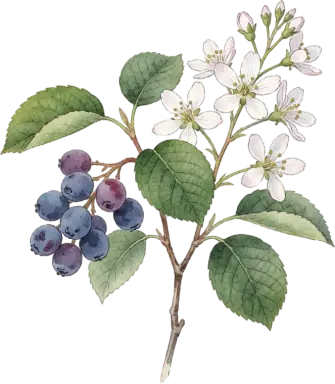 Serviceberry / Juneberry
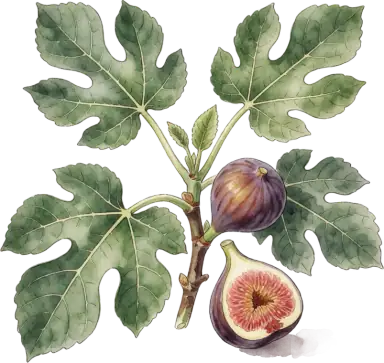 Fig
Fig Elderberry
 Blackberry