Parsnip

Pastinaca sativa

Family Apiaceae

AnnualZones 2-11

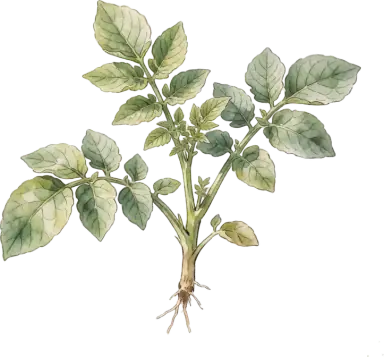
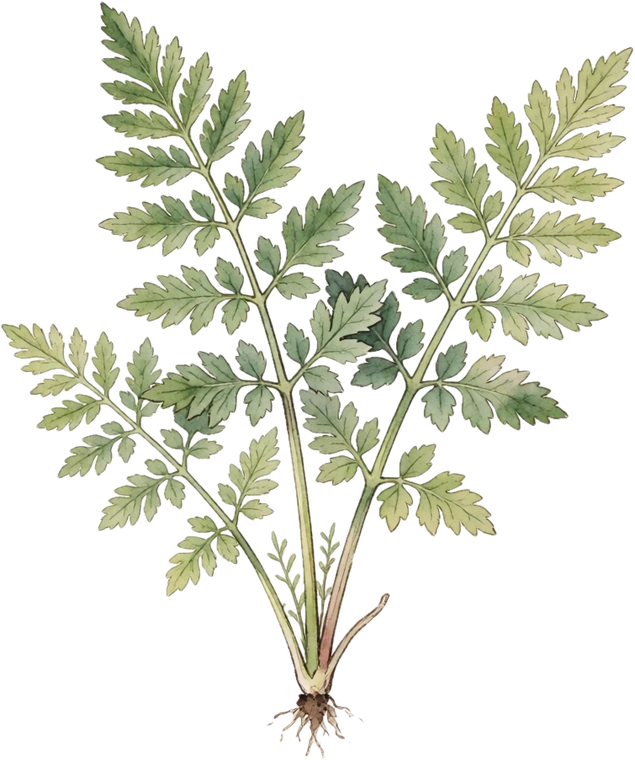
Botanical illustration of Parsnip

Dug after hard frost, parsnips come out of the ground tasting like candy — the cold converts their starch to sugar, and roasted November roots run sweeter than anything the fall kitchen expects. Left mulched in the ground, they're a spring dig that borders on dessert.

Sown in April and honestly forgotten until Thanksgiving, it may be the lowest-maintenance root you can grow — the harvest window runs November clear to March. Two honest cautions: only fresh seed germinates, and gloves belong on when handling the foliage. Bank a row for winter.

Where to buy parsnip — 6 nurseries compared

  • Full Sun
  • Moderate water
  • Very Slow growth
  • Excellent edible
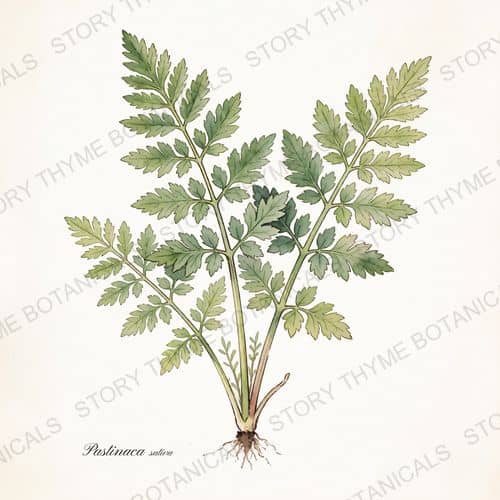
Parsnip — a print from the Plant Library collection

From the print shop

Growing parsnip? Hang it.

Our Plant Library collection carries parsnip — Pastinaca sativa, print Nº 348, “Parsnip.”

526 designsfrom $12.99white or black backgroundmatte poster, unframed

Shop Plant Library botanical prints →

✓

Will it fruit where you are?

Enter your ZIP — we look up your USDA hardiness zone (2023 map) and check it against what parsnip actually needs.

Life cycleBiennial, grown as an annual

Parsnip · Common problems

Common parsnip problems

Pests, diseases and weather to keep an eye on.

Pests

1 problem on file

  • Carrot Rust Fly

Diseases

1 problem on file

  • Canker

Parsnip · Growing & propagation

Growing parsnip

Light, water, soil, propagation and the season’s jobs.
What it needsThe details
Light
Full Sun
Water
Moderate
Soil
DEEP, loose, stone-free

Forks in rough ground · pH 6.0 - 7.0

Fertilizer
Little

No fresh manure

Pruning
None — None.
Spacing
3-4 in

How to plant & propagate parsnip

Maturity
100-120 days
From seed
Direct-sow FRESH seed in spring

Slow (2-3 wks); harvest after frost

Propagate
From seed

Parsnip · Seasonal care & spray guidance

The parsnip growing playbook

Field-tested instructions for every job parsnip asks of you, compiled from university extension guidance — in the order the season brings them.

When to spray parsnip

Growing season. Row cover at sowing for rust fly.

As growth begins

early spring

3 jobs
SowingIn spring

Sow fresh seed two to three weeks before your last frost

Work the bed loose 18 to 24 inches deep first, then sow seed a quarter to a half inch deep, two or three seeds per inch, in rows 12 to 18 inches apart. Wait until soil is at least 40 degrees, ideally 55 to 65. Expect 14 to 21 days to germinate, and scatter a few radish seeds in the row to mark it and break the crust. Buy new seed every year. Parsnip seed loses germination and seedling vigor rapidly after one year, so year-old seed is the usual reason a row never comes up. The long taproot forks on any rock or hardpan it meets, and soil above 80 degrees suppresses germination outright, which is why the sowing goes in while the ground is still cold.

ThinningIn spring

Thin to 3 to 6 inches once seedlings are up

After emergence, thin the thickly sown row to leave one plant every 3 to 6 inches. Snip the extras at the soil line rather than pulling them, so you do not disturb the taproots of the keepers. Parsnips are sown thick to overcome their poor, slow germination, but a crowded row yields nothing but thin, twisted roots. Wider spacing also opens the canopy to air movement, which shortens the leaf-wetness periods that leaf blights need to infect.

ProtectionIn spring

Row cover against carrot rust fly, on at sowing

Lay floating row cover over the bed at sowing and seal the edges to the soil. Parsnip is a host for carrot rust fly alongside carrot, celery and parsley, so do not place the bed where any of those grew last year. The adults are weak fliers limited to the carrot family, so rotating to a separate field is genuinely effective. Row covers protect the crop by keeping the egg-laying adults off it, and the same cover excludes aster leafhoppers. The fly's milky-white larvae tunnel through the roots, leaving rusty blotches and forked, fibrous crops. There are two flights to exclude: adults emerge in May and June, and a summer generation flies from August through September. Cover only works on clean ground — the fly overwinters in the soil where its host crop grew, so covering infested ground seals the emerging adults in with your crop instead of out.

Through summer

the growing season

3 jobs
WateringIn summer

Keep moisture even at 1 to 2 inches a week

Give 1 to 2 inches per week depending on weather, and aim for steady moisture rather than a dry spell followed by a soaking. Mulch with organic matter to cool the soil and hold water. Irrigate early in the morning. A swing from dry to wet makes the root take up water faster than its skin can grow, and it splits, cracks and turns bitter. Watering early rather than late lets the foliage dry quickly, which denies Alternaria, Cercospora and Septoria leaf blights the long wet period they need to infect.

FeedingIn summer

Sidedress nitrogen twice, starting six weeks after emergence

Six weeks after the seedlings emerge, band about a quarter cup of 21-0-0 per 10 feet of row alongside the plants, not on them, and water it into the soil. Repeat once more four weeks later. Soil test first and skip this if your nitrogen is already adequate. Parsnip spends a long season building one storage root, and the nitrogen that feeds the canopy through midsummer is what fills that root by fall. Placing it to the side and irrigating it in gets it to the roots without burning the crowns.

What to watch forIn summer

Scout for rust fly flights and aster leafhopper

Stand yellow sticky traps upright just above the canopy, concentrated along sheltered edges, and count twice weekly to catch the two rust fly flights, one in late spring and one in late summer. Sweep the canopy for aster leafhoppers through midsummer. Keep weedy hosts down around the bed and consider reflective mulch. Aster leafhoppers carry the aster yellows pathogen, and a leafhopper only has to feed for about two hours to pick it up, so the window between arrival and infection is short. Infected plants give you distorted, discolored tops and stunted, hairy, bitter roots that no later care can fix. Traps also tell you when it is safe to take covers off.

Harvest time

as it ripens, and picking

1 job
HarvestingAt harvest

Wait for hard frost, then dig all winter until regrowth

Roots size up 100 to 120 days from sowing, but leave them in the ground until the tops have frozen down and the crop has taken two to four weeks of near-freezing temperatures. Then dig as needed straight through winter and into early spring. Stop the moment new tops or seed stalks begin to grow. Store dug roots unwashed in a perforated plastic bag in the refrigerator produce drawer for 2 to 3 weeks, or hold them in a cool root cellar. Cold makes the plant convert its stored starch to sugar, which is the whole flavor of a parsnip. A parsnip pulled in September is a bland white carrot. In early spring the biennial reverses that trade, spending the sugar to push a flower stalk, and the root loses flavor and goes fibrous as it does.

After harvest

autumn, and putting it to bed

1 job
MulchingIn autumn

Hill the shoulders, then mulch heavily for winter

Pull a few inches of soil over the crowns and shoulders, then after the first fall frosts mulch heavily with straw or compost so you can keep digging through the winter. Grow on raised, well-drained beds if canker has hit you before. Itersonilia canker forms dark sunken lesions right on the crown and shoulder where the root meets the air, and burying that zone in soil physically protects it. The straw layer on top keeps the ground diggable rather than frozen solid, which is what lets a parsnip bed serve as its own winter root cellar.

Parsnip · Calculators & field guides

A little help in the garden.

Calculators for the figures. Field guides for the hands-on work.

Parsnip · Yearly calendar

The parsnip year, month by month

What parsnip asks for, month by month.

Jan

HarvestNovember to March

MonthJanFebMarAprMayJunJulAugSepOctNovDec
Harvest

HarvestNovember to March

What each band means

  • Harvest — picking time — check ripeness every few days.

These are the species' typical months — expect them a few weeks earlier in warm zones and later in cold ones. Watch the plant, not just the calendar.

Parsnip · Ecology & uses

Ecology & uses

What it does for the garden, and what it is grown for.
Botanical illustration of Parsnip

Pastinaca sativa

Parsnip in the garden system

  • Root layer annual
Moisture
Facultative / average
Deer
Browsed

Protect young plants

Origin
Introduced

What parsnip is grown for

! Some parts toxic — see notesSap + sun can blister skin — gloves when handling foliage

Use
Roasting
Use
Soups
Use
Winter dig
Edible value
4/5

Harvesting & storing parsnip

November - March — NOT before hard frost (that's when starch turns to sugar). About 100-120 days from planting.

Edibility, identification, and traditional-use notes here are general reference — not medical or veterinary advice, and not a claim that any plant treats or prevents anything. Medicinal ratings record how strongly a plant features in herbal tradition, nothing more. Never eat or dose a plant you have not positively identified. More on how to use this library.

Parsnip · Varieties & cultivars

Best parsnip varieties & cultivars

There are far more than these — the ones below are the named varieties of parsnip people actually plant.

Named varieties of parsnip differ in winter-chill needs, ripening time, hardiness, and whether they set fruit on their own — pick one that fits your climate.

10 varieties

Harris Model

Also known as Harris Early Model

Ripens
after hard frost through winter
Zones
2-11
Size
smooth white tapered root averaging 10 inches, well free of side roots

sweet after frost — Cornell lists 100-120 days. The open-pollinated benchmark other parsnips get compared against — Cornell describes Lancer as a 'Harris Model type'. One of the six cultivars Arkansas Extension recommends. No canker resistance claimed.

Where to buy ‘Harris Model’verified

Story Thyme Farms may earn a small commission from these links, at no cost to you — it never changes what we recommend.

Sources & plant identity

Know what you’re growing.
See where the knowledge comes from.

Botanical illustration of Parsnip

Parsnip

Pastinaca sativa

The plant, at a glance.

Botanical name
Pastinaca sativa
Plant family
Apiaceae
Growth habit
Annual · Biennial
Origin
Introduced
USDA plant symbol
PASA2
Invasive risk
Low
Every garden is different.

Hardiness, size and timing vary with your cultivar, soil and climate.

Rooted in research.

University extension research, brought together with hands-on growing experience at Story Thyme Farms.

Explore Parsnip’s sources5 reference links
for Parsnip

Research from these sources

Publisher marks identify sources, not sponsorship or endorsement.

Questions

Parsnip questions, answered straight.

Is parsnip safe for kids and pets?

With care. Sap + sun can blister skin — gloves when handling foliage Site it accordingly if children or pets roam the garden. This is general reference, not medical or veterinary advice — call a vet or poison control if something has actually been eaten.

When do you harvest parsnip?

November - March — NOT before hard frost (that's when starch turns to sugar). From planting, expect about 100-120 days to maturity.

How do you propagate parsnip?

From seed.

Elsewhere

Where parsnip sits in the library.

Where parsnip sits in the library

Grows in the same world