Glenn
Also known as Glen
Self-fertile
- Ripens
- June-July
- Zones
- 9b-11 (marginal, protect in 9b)
- Disease
- good (moderately anthracnose resistant)
- Size
- moderate vigor, easily kept 8-12 ft
sweet, mild, nearly fiberless - excellent fresh — Classic reliable beginner mango - consistent early crops, disease-tolerant, and stays manageable for small yards. Self-fruitful; fruit set improves with insect pollinators.
Where to buy ‘Glenn’
Story Thyme Farms may earn a small commission from these links, at no cost to you — it never changes what we recommend.
Cogshall
Self-fertile
- Ripens
- June-July
- Zones
- 10-11
- Disease
- moderate
- Size
- low-vigor compact 'condo' tree, kept 6-10 ft
rich, sweet, very low fiber — A naturally small, low-vigor Florida tree that is one of the best true container / small-yard 'condo' mangoes. Self-fruitful on a single tree.
Where to buy ‘Cogshall’
Story Thyme Farms may earn a small commission from these links, at no cost to you — it never changes what we recommend.
Pickering
Self-fertile
- Ripens
- June-July
- Zones
- 10-11
- Disease
- good
- Size
- dwarf, bushy 'condo' tree, 6-8 ft
sweet, rich coconut-like, low fiber — Top UF/IFAS pick for containers and tiny spaces - naturally compact yet a heavy, precocious bearer. Self-fruitful; no second tree needed.
Where to buy ‘Pickering’
Story Thyme Farms may earn a small commission from these links, at no cost to you — it never changes what we recommend.
Carrie
Self-fertile
- Ripens
- June-July
- Zones
- 10-11
- Disease
- good for anthracnose but susceptible to powdery mildew
- Size
- dwarf, dense 'condo' tree, 6-10 ft
intensely rich, aromatic, fiberless - a connoisseur favorite — Prized for outstanding rich flavor on a small tree; fruit is green when ripe so judge by softness, not color. Relatively anthracnose tolerant but prone to powdery mildew in humid springs.
Where to buy ‘Carrie’
Story Thyme Farms may earn a small commission from these links, at no cost to you — it never changes what we recommend.
Nam Doc Mai
Also known as Nam Dok Mai, Namdokmai
Self-fertile
- Ripens
- June-July
- Zones
- 10-11
- Disease
- moderate (susceptible to anthracnose and powdery mildew per UF/IFAS)
- Size
- moderate, kept 10-15 ft
sweet, floral, low fiber - excellent eaten green or ripe — Popular elongated Thai mango, superb flavor, good eaten green. Contrary to common lore about Indochinese types, UF/IFAS lists it as susceptible to anthracnose and powdery mildew, so it needs a spray program in wet, humid sites.
Where to buy ‘Nam Doc Mai’
Story Thyme Farms may earn a small commission from these links, at no cost to you — it never changes what we recommend.
Mallika
Self-fertile
- Ripens
- July-August
- Zones
- 10-11
- Disease
- moderate (reports conflict - some rate it resistant, UF lists it susceptible)
- Size
- semi-dwarf, kept 8-12 ft
very rich honey-citrus, fiberless Indian dessert type — A compact Indian dessert-type mango (Neelam x Dashehari) with outstanding flavor. Anthracnose resistance is disputed - some germplasm trials rate it among the least susceptible while UF lists it as susceptible - so do not rely on it as disease-proof in wet sites.
Where to buy ‘Mallika’
Story Thyme Farms may earn a small commission from these links, at no cost to you — it never changes what we recommend.
Valencia Pride
Self-fertile
- Ripens
- July-August
- Zones
- 10-11
- Disease
- moderate
- Size
- large, vigorous standard tree, 20+ ft if unpruned
sweet, aromatic, low fiber, large fruit — A vigorous Haden seedling that yields big late-summer fruit but needs space or regular pruning to stay in bounds. Self-fruitful.
Where to buy ‘Valencia Pride’
Story Thyme Farms may earn a small commission from these links, at no cost to you — it never changes what we recommend.
Keitt
Self-fertile
- Ripens
- August-September
- Zones
- 10-11
- Disease
- good (late crop largely escapes peak anthracnose season)
- Size
- moderate-to-large, kept 10-15 ft
mild, sweet, low fiber; stays green when ripe — The go-to late-season mango - very large fruit that ripens after the humid spring, extending the harvest into fall. Self-fruitful; judge ripeness by softness since skin stays green.
Where to buy ‘Keitt’
Story Thyme Farms may earn a small commission from these links, at no cost to you — it never changes what we recommend.
Tommy Atkins
Self-fertile
- Ripens
- May-June
- Zones
- 10-11
- Disease
- good (tough, disease-tolerant, long shelf life)
- Size
- large, vigorous standard tree
mild, sweet, fibrous - the common supermarket mango — Extremely hardy and productive early cropper; flavor is only fair and fiber is high, so pick it for reliability over taste. Self-fruitful.
Where to buy ‘Tommy Atkins’
Story Thyme Farms may earn a small commission from these links, at no cost to you — it never changes what we recommend.
Kent
Self-fertile
- Ripens
- July-August
- Zones
- 10-11
- Disease
- poor (very susceptible to anthracnose)
- Size
- large, vigorous standard tree
very rich, sweet, juicy, nearly fiberless — Superb dessert flavor but highly anthracnose-prone - best only in dry climates or with a spray program. Self-fruitful.
Where to buy ‘Kent’
Story Thyme Farms may earn a small commission from these links, at no cost to you — it never changes what we recommend.
Rosigold
- Ripens
- Very early (March-April in South Florida)
- Zones
- 10-11
- Disease
- Susceptible to anthracnose
- Size
- Low-vigor tree; fruit 9-11 oz
Polyembryonic seed, so seedlings tend to come true to the parent. The earliest variety in the UF/IFAS table, ripening before the summer rains really start.
Where to buy ‘Rosigold’
Story Thyme Farms may earn a small commission from these links, at no cost to you — it never changes what we recommend.
Angie
- Ripens
- Early (April-May in South Florida)
- Zones
- 10-11
- Disease
- Moderately resistant to anthracnose
- Size
- Low-vigor tree; fruit 13-14 oz
Monoembryonic. One of the few varieties that is both genuinely small and rated moderately resistant, which is the combination most home growers actually need.
Where to buy ‘Angie’
Story Thyme Farms may earn a small commission from these links, at no cost to you — it never changes what we recommend.
Saigon
- Ripens
- Early-mid (May-July in South Florida)
- Zones
- 10-11
- Disease
- Resistant to anthracnose
- Size
- Moderate to high vigor tree; fruit 6-12 oz
Polyembryonic. Rated flatly resistant in the UF/IFAS variety table, not merely moderately resistant - the only variety in that table to earn the rating.
Where to buy ‘Saigon’
Story Thyme Farms may earn a small commission from these links, at no cost to you — it never changes what we recommend.
Florigon
- Ripens
- Early-mid (May-July in South Florida)
- Zones
- 10-11
- Disease
- Moderately resistant to anthracnose
- Size
- High-vigor tree; fruit 10-16 oz
Polyembryonic. An old Florida selection that carries its resistance on a big, vigorous tree - it needs real room or annual pruning.
Where to buy ‘Florigon’
Story Thyme Farms may earn a small commission from these links, at no cost to you — it never changes what we recommend.
Edward
- Ripens
- Early-mid (May-July in South Florida)
- Zones
- 10-11
- Disease
- Moderately resistant to anthracnose
- Size
- Moderate to high vigor tree; fruit 16-20 oz
Monoembryonic. Large fruit paired with a moderately resistant rating, which is unusual - most of the big-fruited varieties in the UF/IFAS table are rated susceptible.
Where to buy ‘Edward’
Story Thyme Farms may earn a small commission from these links, at no cost to you — it never changes what we recommend.
Fairchild
- Ripens
- Mid (June-July in South Florida)
- Zones
- 10-11
- Disease
- Moderately resistant to anthracnose
- Size
- Low-vigor tree; fruit 8-10 oz
Monoembryonic. Small tree, small fruit, moderately resistant - UF/IFAS names it among the varieties better suited to South Florida home landscapes.
Where to buy ‘Fairchild’
Story Thyme Farms may earn a small commission from these links, at no cost to you — it never changes what we recommend.
Ice Cream
- Ripens
- Mid (June-July in South Florida)
- Zones
- 10-11
- Disease
- Susceptible to anthracnose
- Size
- Low-vigor tree; fruit 8-9 oz
Monoembryonic. One of the low-vigor varieties in the UF/IFAS table and a common choice for a container or a tight lot, but it is rated susceptible, so expect to manage anthracnose preventively at bloom or accept spotted fruit.
Where to buy ‘Ice Cream’
Story Thyme Farms may earn a small commission from these links, at no cost to you — it never changes what we recommend.
Parvin
- Ripens
- Late (July-August in South Florida)
- Zones
- 10-11
- Disease
- Moderately resistant to anthracnose
- Size
- High-vigor tree; fruit 16-25 oz
Monoembryonic. A late, large-fruited variety that keeps a moderately resistant rating deep into the wet season, when anthracnose pressure is highest.
Where to buy ‘Parvin’
Story Thyme Farms may earn a small commission from these links, at no cost to you — it never changes what we recommend.
Rapoza
- Ripens
- Late (July-August in South Florida)
- Zones
- 10-11
- Disease
- Moderately resistant to anthracnose
- Size
- Moderate-vigor tree; fruit 14-28 oz
Monoembryonic. UF/IFAS Table 1 rates it moderate vigor and moderately resistant, carrying large fruit on a manageable tree. Bred by the University of Hawaii at Manoa - selected from open-pollinated 'Irwin' seedlings at the Poamoho Experiment Farm and named for Herbert Rapoza (UH CTAHR CFS-MAN-3C).
Where to buy ‘Rapoza’
Story Thyme Farms may earn a small commission from these links, at no cost to you — it never changes what we recommend.
Neelum
Also known as Neelam
- Ripens
- Very late (September-October in South Florida)
- Zones
- 10-11
- Disease
- Moderately susceptible to anthracnose
- Size
- Low to moderate vigor tree; fruit 8-11 oz
Monoembryonic. The latest variety in the UF/IFAS table by more than a month - it is how a home grower stretches the mango season past everyone else's.
Where to buy ‘Neelum’
Story Thyme Farms may earn a small commission from these links, at no cost to you — it never changes what we recommend.




 ProtectionIn winter
 Bloom
Bloom




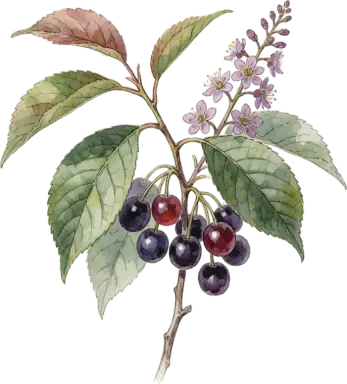 Black Cherry
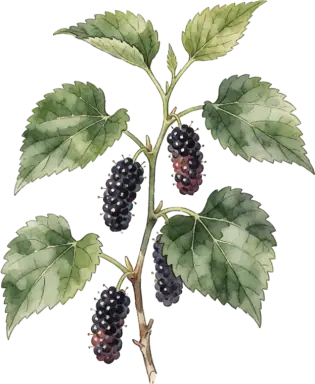 Mulberry
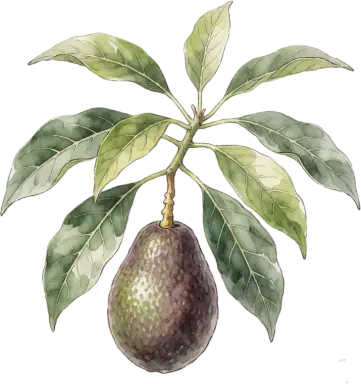 Avocado
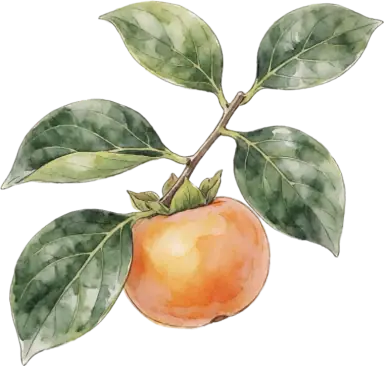 Persimmon