Koralle
Partly self-fertile
- Ripens
- summer and fall
- Zones
- 2-7
- Size
- 12 to 14 inches tall, upright and bushy
- Pollination
- main crop
tangy and highly flavored, pale to medium red — Released in Holland in 1969 as an ornamental groundcover, then taken up for fruit, and now makes up almost all of European production. Moderate to high yielding but slow to spread. Berries average 0.23 gram and grow on the branch tips, and the plant's upright, bushy habit makes it one of the easiest cultivars to pick. In Oregon it showed moderate to severe root-rot dieback on heavy, over-irrigated soil, and it is among the cultivars most sensitive to overfertilizing.
Where to buy ‘Koralle’verified
Story Thyme Farms may earn a small commission from these links, at no cost to you — it never changes what we recommend.
Red Pearl
Partly self-fertile
- Ripens
- summer and fall
- Zones
- 2-7
- Size
- 13 to 15 inches tall, upright and vigorous
- Pollination
- pollinizer
mild, bright red — Dutch cultivar from 1981, introduced to the U.S. by Elden Stang in 1983. Low yielding on its own but planted everywhere as the standard pollinizer, usually at ten percent of a field. Berries are small to medium at 0.18 gram and carried on the branch tips, with two flower periods so it covers both blooms. Reported to be the most tolerant of less than ideal soil, but Coleophoma empetri ripe rot has been found on it, and it is sensitive to high fertilizer rates.
Where to buy ‘Red Pearl’verified
Story Thyme Farms may earn a small commission from these links, at no cost to you — it never changes what we recommend.
Sussi
Also known as Suissi
Partly self-fertile
- Ripens
- fall
- Zones
- 2-7
- Disease
- some resistance to Phytophthora root rot
- Size
- 7 to 10 inches tall, spreading habit
- Pollination
- pollinizer
dark red, globular, large fruit — Swedish patented cultivar from 1985, the other standard pollinizer alongside Red Pearl. Moderate yields ripening uniformly in mid-October, with small to medium berries at 0.26 gram on the branch tips. The one cultivar extension credits with some resistance to Phytophthora root rot, which is the disease most likely to kill a planting on heavy ground. Also described as a nice ornamental plant.
Where to buy ‘Sussi’
Story Thyme Farms may earn a small commission from these links, at no cost to you — it never changes what we recommend.
Erntesegen
Partly self-fertile
- Ripens
- summer and fall
- Zones
- 2-7
- Size
- 12 to 15 inches tall, vigorous and upright
- Pollination
- main crop
sweetest of the trialed cultivars at 13.9 Brix, bright dark red — German cultivar and the top performer in the Fall Creek, Oregon trials, yielding 15 tons per acre against a 6.6 ton trial average. Berries are very large at 0.41 gram, borne on the branch tips, and it recorded the highest soluble solids of any cultivar tested. Unusual in producing larger berries in the summer crop than in the fall.
Where to buy ‘Erntesegen’
Story Thyme Farms may earn a small commission from these links, at no cost to you — it never changes what we recommend.
Ida
Partly self-fertile
- Ripens
- summer and fall
- Zones
- 2-7
- Size
- 5 to 7 inches tall, low with dark green leaves
- Pollination
- main crop
dark red — Swedish cultivar from 1997 carrying the largest berries of any cultivar in the Oregon trials at 0.45 gram, on a notably short plant. High yielding, and blooms very vigorously once past its first two years. Fruit is overripe by mid-November, so it will not wait.
Where to buy ‘Ida’verified
Story Thyme Farms may earn a small commission from these links, at no cost to you — it never changes what we recommend.
Erntekrone
Partly self-fertile
- Ripens
- summer and fall
- Zones
- 2-7
- Size
- 8 to 12 inches tall, upright and vigorous
- Pollination
- main crop
tartest of the trialed cultivars at 10.2 Brix, bright red — German cultivar developed in 1981, high yielding in both the summer and fall crops. Berries are medium to large at 0.32 gram. Leaves are dark green and rounder than the oval shape typical of the species, which makes it easy to tell apart. Allantophomopsis lycopodina black rot has been found on this cultivar.
Where to buy ‘Erntekrone’
Story Thyme Farms may earn a small commission from these links, at no cost to you — it never changes what we recommend.
Erntedank
Partly self-fertile
- Ripens
- summer and fall
- Zones
- 2-7
- Size
- 14 to 16 inches tall, the tallest of the common cultivars
- Pollination
- main crop
mild, bright red — German cultivar, high yielding with a good summer and fall crop, though the berries are the smallest of the trialed cultivars at 0.17 gram. Moderate growth habit that only begins to spread in the third year, so it fills in slowly. Fruit is produced on the branch tips.
Where to buy ‘Erntedank’
Story Thyme Farms may earn a small commission from these links, at no cost to you — it never changes what we recommend.
Splendor
Partly self-fertile
- Ripens
- summer and fall
- Zones
- 2-7
- Size
- 6 to 10 inches tall, moderately vigorous with modest spread
- Pollination
- main crop
brilliant red, high in anthocyanins — Released in 1994 by the University of Wisconsin-Madison from Finnish seed, the sister selection to Regal. Precocious, often cropping in its second year and yielding heavily from the third. Berries are small at 0.24 gram on the branch tips. Extension describes its flowers and fruit buds as somewhat frost tolerant, which is worth weighing anywhere late frosts routinely hit bloom.
Where to buy ‘Splendor’
Story Thyme Farms may earn a small commission from these links, at no cost to you — it never changes what we recommend.
Linnea
Also known as Linnae
Partly self-fertile
- Ripens
- summer and fall
- Zones
- 2-7
- Size
- 5 to 9 inches tall, light green foliage
- Pollination
- main crop
very dark red — Swedish cultivar from the Balsgard Institute, released 1997. Cornell describes it as vigorous, upright, and a heavy cropper with smaller berries than Ida; the Oregon trials, by contrast, had too little time in production to rate its yield at all, so treat the yield claim as unsettled. Berries are medium at 0.24 gram. Like Erntesegen, Koralle, and Sanna it produces larger berries in the summer crop than in the fall. Very ripe by November.
Where to buy ‘Linnea’
Story Thyme Farms may earn a small commission from these links, at no cost to you — it never changes what we recommend.
Scarlet
Also known as Scarlett
Partly self-fertile
- Ripens
- summer and fall
- Zones
- 2-7
- Size
- 4 to 8 inches tall, medium green leaves
- Pollination
- pollinizer
light red — Older Norwegian cultivar, moderate yielding but vigorous, and a heavy pollen producer. Cornell rates it best used as a pollinator for Koralle; the PNW guide instead counts it among the high-yielding producers rather than its two named pollinizers (Red Pearl and Sussi), and notes it is commonly used in ornamental gardening. Berries are medium at 0.27 gram on the branch tips.
Where to buy ‘Scarlet’verified
Story Thyme Farms may earn a small commission from these links, at no cost to you — it never changes what we recommend.
Regal
Partly self-fertile
- Ripens
- summer and fall
- Zones
- 2-7
- Size
- 2 to 4 inches tall, very dark green foliage
- Pollination
- main crop
dull red — Released in 1994 by the University of Wisconsin-Madison from Finnish seed, and one of the oldest lingonberries grown in the United States. Low yielding and grown mainly as an ornamental, with small dull berries at 0.18 gram and two bloom periods. Moderate vigor with some frost resistance. Choose it for groundcover, not for fruit.
Where to buy ‘Regal’verified
Story Thyme Farms may earn a small commission from these links, at no cost to you — it never changes what we recommend.




 ProtectionIn winter
 Bloom
Bloom






 Strawberry
 Cranberry
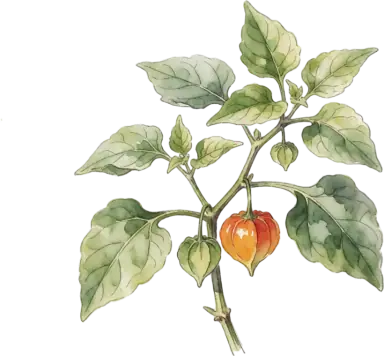 Ground Cherry
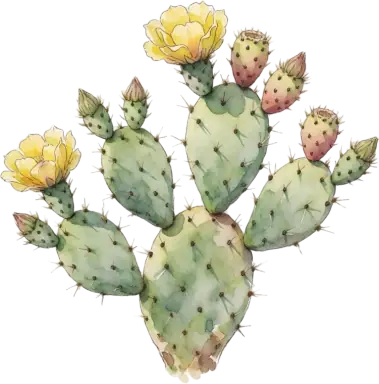 Prickly Pear