Jerusalem Artichoke

Helianthus tuberosus

Family Asteraceae

PerennialNativeZones 3-9

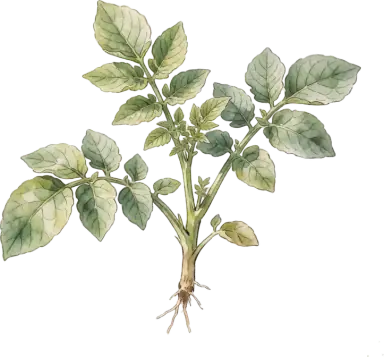
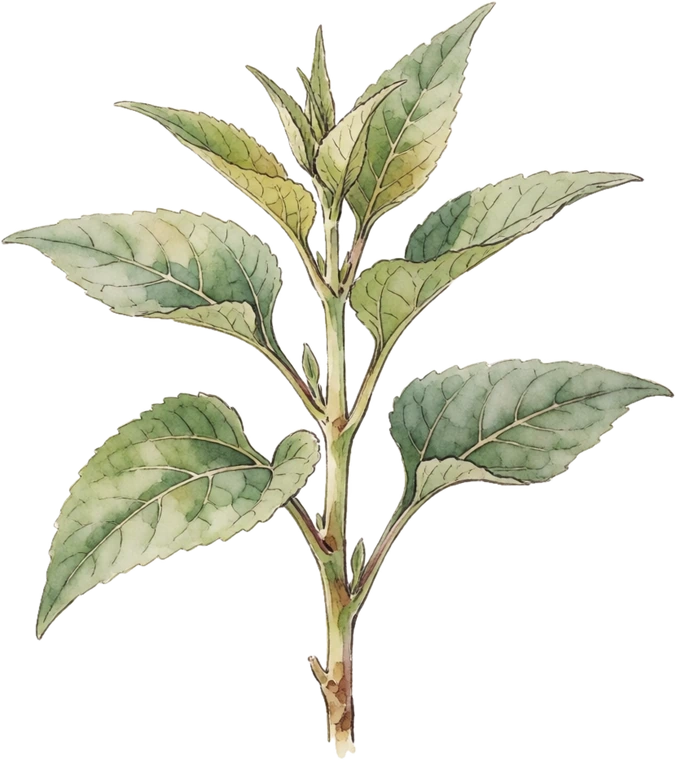
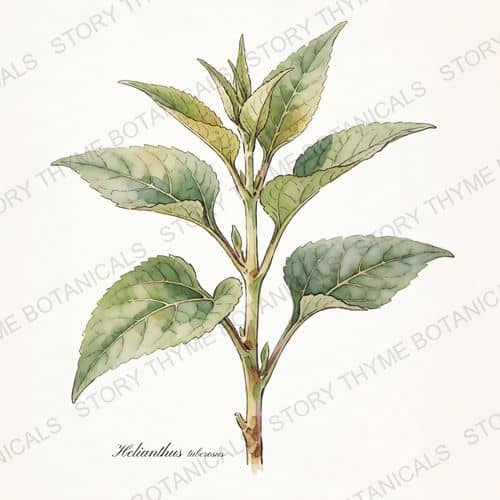
Botanical illustration of Jerusalem Artichoke

Jerusalem artichoke is a native sunflower you can eat: golden fall flowers on 6-10 ft stems, then crisp, nutty tubers you dig from October clear into March, sweetest after frost. It's a food-security crop that stores itself in the ground all winter.

Give it a permanent patch and it repays you triple: a fast summer windbreak, late-season forage the bees badly need, and a harvest that returns every year whether you tend it or not. Fence off one bold corner and let it run.

⚠ Spreads aggressivelyJerusalem Artichoke spreads vigorously and regrows from bits of root, so it's very hard to fully remove once established — give it a contained bed or a spot where it can roam freely, and edge it every year.

Where to buy jerusalem artichoke — 1 nursery compared

  • Full Sun
  • Low water
  • Very Fast growth
  • Native to North America
  • Excellent edible
  • Attracts bees
Jerusalem Artichoke — a print from the Plant Library collection

From the print shop

Growing jerusalem artichoke? Hang it.

Our Plant Library collection carries jerusalem artichoke — Helianthus tuberosus, print Nº 252, “Jerusalem Artichoke.”

526 designsfrom $12.99white or black backgroundmatte poster, unframed

Shop Plant Library botanical prints →

✓

Will it fruit where you are?

Enter your ZIP — we look up your USDA hardiness zone (2023 map) and check it against what jerusalem artichoke actually needs.

Hardy inZones 3-9

Jerusalem Artichoke · Common problems

Common jerusalem artichoke problems

Pests, diseases and weather to keep an eye on.

Pests

1 problem on file

  • None significant

Diseases

1 problem on file

  • None significant

Jerusalem Artichoke · Growing & propagation

Growing jerusalem artichoke

Light, water, soil, propagation and the season’s jobs.
What it needsThe details
Light
Full Sun
Water
Low

A native sunflower that shrugs off drought

Soil
Any except waterlogged · pH 5.8 - 7.0
Fertilizer
None

Thrives on neglect.

Pruning
Cut stalks after frost — None.
Spacing
18 inches

How to plant & propagate jerusalem artichoke

Propagate
Division or seed

Jerusalem Artichoke · Harvest & keeping

What you get from jerusalem artichoke

How long before it bears, how much it gives, how you know it is ready, and how long it keeps once picked.
Botanical illustration of Jerusalem Artichoke
Years to first harvest
1 year
Typical yield
3–6 lbs per plant
What you eat
Tubers
How to tell it is ready
Dig after frost or when tops die back

Harvest thoroughly to reduce spread

How long it keeps
4-5 months cold and humid

Stores well in ground where hardy

Jerusalem Artichoke · Seasonal care & spray guidance

The jerusalem artichoke growing playbook

Field-tested instructions for every job jerusalem artichoke asks of you, compiled from university extension guidance — in the order the season brings them.

As growth begins

early spring

1 job
SowingIn spring

Plant sunchoke tubers once the soil warms

Plant tubers about 6 inches deep and 2 to 3 feet apart once soil temperature reaches 6-7 C (mid 40s F). Whole tubers are the safest choice; if you cut them, do not let the pieces dry out before they go in the ground. Sunchokes need roughly 125 days of growth plus a cool autumn to bulk up tubers, so they want to be in the ground early, but a tuber pushed into cold wet soil rots before it ever sprouts.

Through summer

the growing season

3 jobs
WateringIn summer

Keep sunchokes evenly watered through summer

Water consistently across the summer, and deeply about once a week for plants in containers. Mulch to hold moisture, and keep them out of ground that puddles. Tubers are built late in the season out of everything the plant photosynthesizes all summer, so a drought-checked plant sets small knobby tubers - while standing water rots them instead.

FeedingIn summer

Feed for yield, or skip it on rich ground

On average or light soil, apply a balanced NPK fertilizer such as 20-20-20 monthly through the growing season, and watch for yellowing or stunting as a cue you are short. On rich garden soil, sunchokes crop well with nothing at all. Ohio State reports higher tuber yields from regular balanced feeding, while UC extension finds no fertilizer necessary - the difference is your soil, not the plant, so let the soil decide.

What to watch forIn summer

Scout for white mold at the base of the stems

Check stem bases and lower leaves for wilting that runs from the top down and hooks the growing tip into a shepherd's crook, for dense white cottony mycelium at the soil line and on roots, and for hard black bb-sized sclerotia with white interiors. Pull infected plants whole and get them off the site - do not compost them. Sclerotinia sclerotiorum is the major disease of sunchoke, and its sclerotia survive for years in soil and ride along on tubers into storage. There is little varietal resistance to fall back on, so finding it early is most of the control.

Harvest time

as it ripens, and picking

1 job
HarvestingAt harvest

Dig sunchokes after the first hard frost

Wait until frost has knocked the tops down and the plant dies back, cut the stems back to roughly 8 inches so you can find the crowns, then dig only as many as you need at a time. Leave the rest in the ground and keep digging through winter into March. Frost is what makes this crop worth eating - cold shifts the stored inulin and the tubers sweeten. Dug tubers have paper-thin skins and shrivel within about three weeks in the fridge, so undug ground is the best root cellar you have.

After harvest

autumn, and putting it to bed

1 job
ProtectionAfter harvest

Clear volunteers, and rest the ground if white mold showed up

Once you have finished digging, work back through the bed and lift every tuber fragment you can find, then pull volunteers as they sprout the next spring. If white mold appeared during the season, rotate that ground into a grass-family crop such as maize for at least three years before you plant sunchokes there again. Sclerotia persist in the soil for years and the fungus attacks a huge range of broadleaf hosts, so only a long rotation into a non-host starves it out. Volunteer sunchokes keep the host alive through the rotation and quietly undo it.

Jerusalem Artichoke · Calculators & field guides

A little help in the garden.

Calculators for the figures. Field guides for the hands-on work.

Jerusalem Artichoke · Yearly calendar

The jerusalem artichoke year, month by month

What jerusalem artichoke asks for, month by month.

Jan

HarvestOctober to March

MonthJanFebMarAprMayJunJulAugSepOctNovDec
Bloom
Harvest

BloomSeptember to October

HarvestOctober to March

What each band means

  • Bloom — flowers open — pollinators working, frost on blossoms is the danger.
  • Harvest — picking time — check ripeness every few days.

These are the species' typical months — expect them a few weeks earlier in warm zones and later in cold ones. Watch the plant, not just the calendar.

Jerusalem Artichoke · Ecology & uses

Ecology & uses

What it does for the garden, and what it is grown for.
Botanical illustration of Jerusalem Artichoke

Helianthus tuberosus

Jerusalem Artichoke in the garden system

  • Root layer perennial
  • Nectary/insectary
  • Keystone: Keystone perennial — hosts 60+ caterpillar species
Attracts
Bees
Moisture
Upland / dry
Deer
Browsed

Protect young plants

Origin
Native to North America

What jerusalem artichoke is grown for

✓ Commonly eaten

Use
Roots
Use
Pickles
Use
Pollinator
Use
Windbreak
Edible value
4/5

Harvesting & storing jerusalem artichoke

October - March, sweetest after frost, dig as needed.

Edibility, identification, and traditional-use notes here are general reference — not medical or veterinary advice, and not a claim that any plant treats or prevents anything. Medicinal ratings record how strongly a plant features in herbal tradition, nothing more. Never eat or dose a plant you have not positively identified. More on how to use this library.

Jerusalem Artichoke · Varieties & cultivars

Best jerusalem artichoke varieties & cultivars

There are far more than these — the ones below are the named varieties of jerusalem artichoke people actually plant.

Named varieties of jerusalem artichoke differ in winter-chill needs, ripening time, hardiness, and whether they set fruit on their own — pick one that fits your climate.

9 varieties

White Fuseau

Also known as Fuseau

Ripens
October-March
Zones
3-9
Size
about 8 feet tall by October

standard sunchoke — Highest yielder in the Ohio State Wooster trial at 225.3 tubers and 17.4 pounds per plant. Flowered barely at all - only three flowers across the season - so it earns its place by the crop, not the show. Sold as 'Fuseau' by some nurseries; the two names are the same variety.

Where to buy ‘White Fuseau’

Story Thyme Farms may earn a small commission from these links, at no cost to you — it never changes what we recommend.

Sources & plant identity

Know what you’re growing.
See where the knowledge comes from.

Botanical illustration of Jerusalem Artichoke

Jerusalem Artichoke

Helianthus tuberosus

The plant, at a glance.

Botanical name
Helianthus tuberosus
Plant family
Asteraceae
Growth habit
Perennial
Origin
Native to North America
USDA plant symbol
HETU
Invasive risk
Spreads aggressively
Every garden is different.

Hardiness, size and timing vary with your cultivar, soil and climate.

Rooted in research.

University extension research, brought together with hands-on growing experience at Story Thyme Farms.

Explore Jerusalem Artichoke’s sources8 reference links
for Jerusalem Artichoke

Research from these sources

Publisher marks identify sources, not sponsorship or endorsement.

Questions

Jerusalem Artichoke questions, answered straight.

Is jerusalem artichoke safe for kids and pets?

Jerusalem Artichoke is commonly eaten and isn't considered toxic, but "commonly eaten" isn't a guarantee for any particular person or animal — allergies, quantity, and which part you eat all matter. Never eat a plant you haven't positively identified, and check with a vet before letting pets or livestock graze anything new.

When do you harvest jerusalem artichoke?

October - March, sweetest after frost, dig as needed.

How do you propagate jerusalem artichoke?

Division or seed.

Is jerusalem artichoke invasive?

It can be an aggressive spreader — give it room or a barrier, and check your state's invasive-species list before planting.

Elsewhere

Where jerusalem artichoke sits in the library.

Where jerusalem artichoke sits in the library

Grows in the same world