Invicta
Self-fertile
- Chill
- 800–1500 hrs
- Ripens
- July
- Zones
- 3-8
- Disease
- excellent (mildew-resistant)
- Size
- 3-5 ft, vigorous sprawling, very thorny
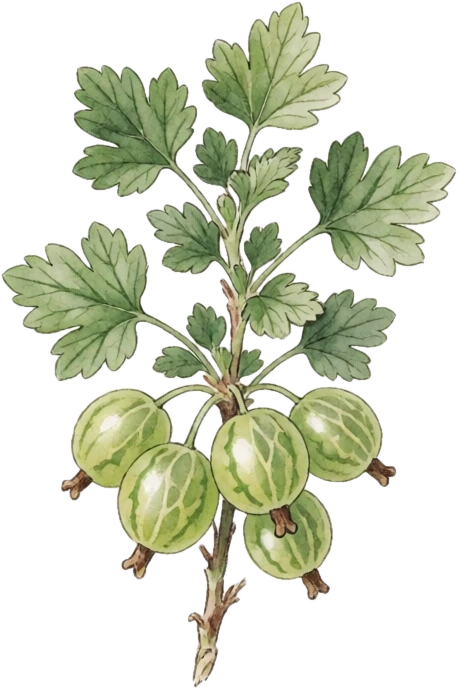
large pale-green, mildly tart; culinary/dessert — The heaviest-yielding, most mildew-resistant European green gooseberry, but its big thorns make picking a chore. Self-fertile; chill figure is the species-level 800-1500 hr estimate.
Where to buy ‘Invicta’verified
Story Thyme Farms may earn a small commission from these links, at no cost to you — it never changes what we recommend.
Hinnomaki Red
Also known as Hinnonmaki Red, Hinnonmaki Punainen
Self-fertile
- Chill
- 800–1500 hrs
- Ripens
- July
- Zones
- 3-8
- Disease
- good (mildew-resistant)
- Size
- 3-4 ft, upright
tangy skin, sweet flesh; excellent fresh eating — Finnish-bred for cold and mildew resistance, it is the go-to dessert gooseberry with sweet flesh and tart skin. Self-fertile; chill figure is the species-level 800-1500 hr estimate.
Where to buy ‘Hinnomaki Red’verified
Story Thyme Farms may earn a small commission from these links, at no cost to you — it never changes what we recommend.
Poorman
Also known as Poor Man
Self-fertile
- Chill
- 800–1500 hrs
- Ripens
- July
- Zones
- 3-8
- Disease
- excellent (mildew and white pine blister rust resistant)
- Size
- 3-5 ft, vigorous, few thorns
medium-large red, sweet-tart; best fresh American type — American cultivar selected in Brigham City, Utah (1890); widely regarded as the best-flavored American gooseberry for fresh eating, productive and largely thorn-free. Self-fertile; chill figure is the species-level 800-1500 hr estimate.
Where to buy ‘Poorman’verified
Story Thyme Farms may earn a small commission from these links, at no cost to you — it never changes what we recommend.
Pixwell
Self-fertile
- Chill
- 800–1500 hrs
- Ripens
- Mid-summer
- Zones
- 3-8
- Disease
- moderate
- Size
- 3-4 ft, nearly thornless
medium green ripening to pink-purple, tart; good for pies and jam — A tough, nearly thornless prairie standby (North Dakota, 1932) whose berries hang out from the cane for easy picking, ideal for cold northern gardens. Self-fertile; chill figure is the species-level 800-1500 hr estimate.
Where to buy ‘Pixwell’verified
Story Thyme Farms may earn a small commission from these links, at no cost to you — it never changes what we recommend.
Captivator
Self-fertile
- Chill
- 900–1100 hrs
- Ripens
- July
- Zones
- 3-8
- Disease
- good (mildew-resistant)
- Size
- 3-4 ft, nearly thornless
deep pink/red teardrop, sweet when fully ripe; fresh and dessert — An American-European hybrid prized for being nearly thornless and mildew-resistant, a beginner-friendly pick hardy to zone 3. Chill need narrowed to the cultivar-specific 900-1100 hrs cited by extension/nursery sources. Self-fertile.
Where to buy ‘Captivator’
Story Thyme Farms may earn a small commission from these links, at no cost to you — it never changes what we recommend.
Black Velvet
Self-fertile
- Chill
- 800–1500 hrs
- Ripens
- July
- Zones
- 4-8
- Disease
- excellent (mildew-resistant)
- Size
- 3-4 ft, vigorous
small dark-red to purple-black, rich almost blueberry/grape-like; superb fresh — A gooseberry-worcesterberry hybrid (R. uva-crispa x R. hirtellum) with standout dark, sweet fruit and strong disease resistance; self-fertile and very hardy (to about zone 3). Chill figure is the species-level 800-1500 hr estimate.
Where to buy ‘Black Velvet’verified
Story Thyme Farms may earn a small commission from these links, at no cost to you — it never changes what we recommend.
Jahns Prairie
Also known as Jahn's Prairie
Self-fertile
- Chill
- 800–1500 hrs
- Ripens
- July
- Zones
- 3-8
- Disease
- excellent (mildew, white pine blister rust, and leaf spot resistant)
- Size
- 3-5 ft
pinkish-red, sweet-tart, dessert-quality; fresh and processing — A native selection (Ribes oxyacanthoides, from Alberta) that is exceptionally disease-resistant and hardy to -40F, the best choice for the coldest, most disease-prone sites. Self-fertile; chill figure is the species-level 800-1500 hr estimate.
Where to buy ‘Jahns Prairie’
Story Thyme Farms may earn a small commission from these links, at no cost to you — it never changes what we recommend.
Jeanne
Self-fertile
- Chill
- 800–1500 hrs
- Ripens
- July
- Zones
- 4-8
- Disease
- excellent (mildew and white pine blister rust resistant)
- Size
- 3-4 ft, upright, thornless
small deep-red, sweet-tart; fresh and preserves — A 2006 USDA (Corvallis, OR) release bred for outstanding resistance to mildew and white pine blister rust and hardy below -40F, a reliable disease-free thornless choice. No well-documented cultivar-specific chill figure; using the species-level 800-1500 hr estimate.
Where to buy ‘Jeanne’verified
Story Thyme Farms may earn a small commission from these links, at no cost to you — it never changes what we recommend.
Hinnomaki Yellow
Also known as Hinnonmaki Yellow, Hinnonmaki Keltainen
Self-fertile
- Ripens
- July
- Zones
- 3-8
- Size
- 3-4 ft, upright
large yellow berries with a distinct sweet apricot note; superb fresh — In the University of Wisconsin uncommon fruit trials it yielded well and was flagged, with Hinnonmaki Red and Invicta, as one of the three gooseberries with real commercial potential - the catch is that it is thorny and slow to pick.
Where to buy ‘Hinnomaki Yellow’
Story Thyme Farms may earn a small commission from these links, at no cost to you — it never changes what we recommend.
Oregon Champion
Self-fertile
- Ripens
- July
- Zones
- 3-8
- Size
- 3-5 ft
yellow-green berries, tart; a processing and pie gooseberry — An American-type gooseberry that Utah State names as producing yellow-green berries that work well for processing.
Where to buy ‘Oregon Champion’
Story Thyme Farms may earn a small commission from these links, at no cost to you — it never changes what we recommend.
Downing
Self-fertile
- Ripens
- July
- Zones
- 3-8
- Disease
- good (mildew-resistant)
- Size
- 3-5 ft
small green berries with very good flavor — An old American variety Utah State cites as mildew-resistant with very good flavor. The berries are small, so it trades size for the ability to be grown without a mildew spray program.
Where to buy ‘Downing’
Story Thyme Farms may earn a small commission from these links, at no cost to you — it never changes what we recommend.
Achilles
Self-fertile
- Ripens
- July
- Zones
- 3-8
- Size
- 3-5 ft
large green berries with excellent flavor and few hairs — A European gooseberry Utah State lists for large fruit and excellent flavor with few hairs on the skin. Like other European types it wants afternoon shade and airflow, and is more mildew-prone than the American varieties.
Where to buy ‘Achilles’
Story Thyme Farms may earn a small commission from these links, at no cost to you — it never changes what we recommend.
Chautauqua
Self-fertile
- Ripens
- July
- Zones
- 3-8
- Disease
- somewhat resistant to mildew
- Size
- compact
large green berries with good flavor — A compact European gooseberry that Utah State notes as possibly suited to container production, somewhat resistant to mildew, with large green fruit of good flavor - the pick for a patio or a small yard rather than for yield.
Where to buy ‘Chautauqua’
Story Thyme Farms may earn a small commission from these links, at no cost to you — it never changes what we recommend.
Tixia
Self-fertile
- Ripens
- July
- Zones
- 3-8
- Size
- 3-4 ft, upright
large bright red teardrop berries, dessert quality — Minnesota extension lists it as nearly thornless with large bright red teardrop fruit; Wisconsin's trial rated the fruit dessert-quality but found the plant adapted poorly at their site and counted the thorns as numerous though soft. Worth trying, not worth betting a planting on.
Where to buy ‘Tixia’
Story Thyme Farms may earn a small commission from these links, at no cost to you — it never changes what we recommend.




 MulchingIn spring
 Bloom
Bloom









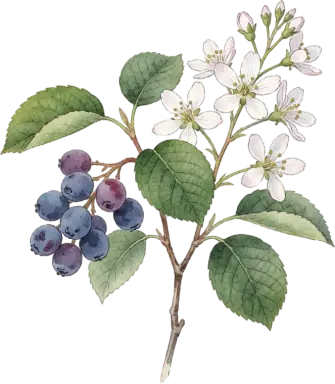 Serviceberry / Juneberry
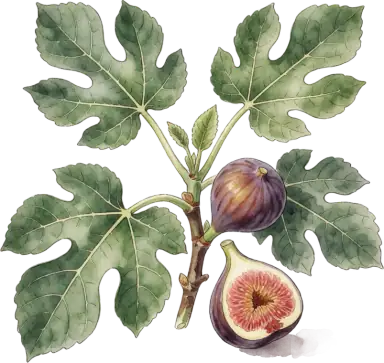 Fig
Fig Elderberry
 Blackberry