Che (Chinese Mulberry)

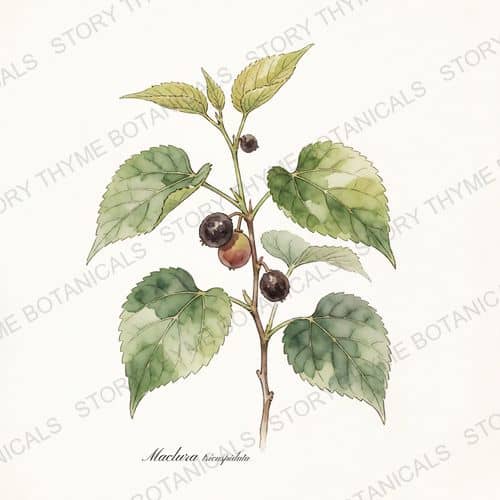
Maclura tricuspidata

Family Moraceae

TreeZones 5-9

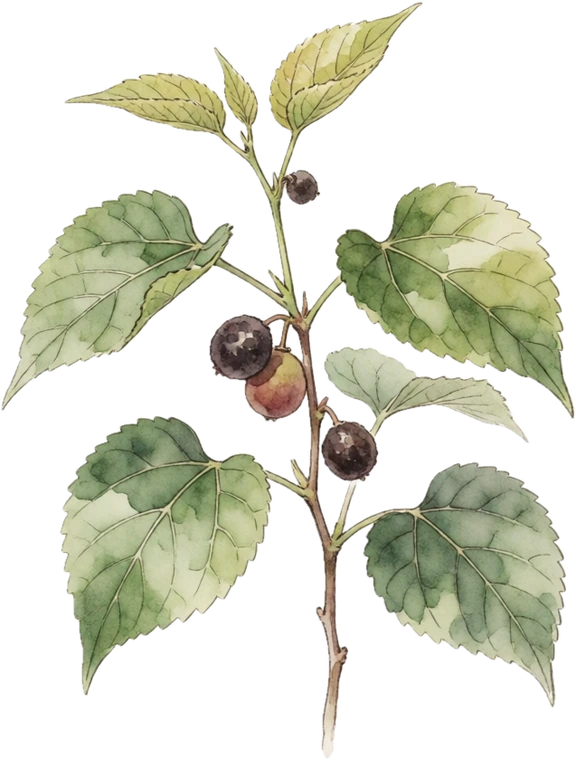
Botanical illustration of Che (Chinese Mulberry)

Che ripens its strange, wonderful fruit in fall, just as the rest of the harvest winds down: round maroon-red berries tasting of fig, mulberry and melon at once, seedy but sweet, on a tough small tree. Nobody's heard of it, no store sells it — reason enough right there.

As trees go it is deeply undemanding — very drought-tough once established, no-spray, hardy zones 5 to 9, topping out around 15 to 25 feet. The one rule that matters at buying time: most che are male or female, so choose a grafted self-fertile female — then give it the tough spot and let it share fall with the birds.

Where to buy the plant — 1 nursery

  • Full Sun
  • Low water
  • Slow-Moderate growth
  • Excellent edible
  • Needs a pollination partner
Che (Chinese Mulberry) — a print from the Plant Library collection

From the print shop

Growing che (chinese mulberry)? Hang it.

Our Plant Library collection carries che (chinese mulberry) — Maclura tricuspidata, print Nº 106, “Che (Chinese Mulberry).”

526 designsfrom $12.99white or black backgroundmatte poster, unframed

Shop Plant Library botanical prints →

✓

Will it fruit where you are?

Enter your ZIP — we look up your USDA hardiness zone (2023 map) and check it against what che (chinese mulberry) actually needs.

Hardy inZones 5-9
PollinationPartner needed

Che (Chinese Mulberry) · Common problems

Common che (chinese mulberry) problems

Pests, diseases and weather to keep an eye on.

Pests

1 problem on file

  • Almost none

Diseases

1 problem on file

  • Almost none — a no-spray fruit

Pollination

Poor pollination → low fruit set (plant a partner)

Che (Chinese Mulberry) · Growing & propagation

Growing che (chinese mulberry)

Light, water, soil, propagation and the season’s jobs.
What it needsThe details
Light
Full Sun
Water
Low once established

Very drought-tough

Soil
Adaptable, well-drained · pH 6.0 - 7.5
Fertilizer
None needed
Pruning
Late Winter

Thornless when mature; remove suckers and thorny juvenile growth.

Spacing
15-20 ft

How to plant & propagate che (chinese mulberry)

Propagate
Grafted, or from cuttings/layering

Seed won't come true

Che (Chinese Mulberry) · Harvest & keeping

What you get from che (chinese mulberry)

How long before it bears, how much it gives, how you know it is ready, and how long it keeps once picked.
Botanical illustration of Che (Chinese Mulberry)
Years to first harvest
4 to 6 years
Typical yield
30–100 lbs
What you eat
Fruit
How to tell it is ready
Deep red and soft

No shortcut; underripe che is bland, so let the tree finish it

How long it keeps
2-3 days fresh

Che (Chinese Mulberry) · Calculators & field guides

A little help in the garden.

Calculators for the figures. Field guides for the hands-on work.

Che (Chinese Mulberry) · Yearly calendar

The che (chinese mulberry) year, month by month

What che (chinese mulberry) asks for, month by month.

Jan

No calendar activity is listed for this month.

MonthJanFebMarAprMayJunJulAugSepOctNovDec
Prune
Harvest

PruneFebruary to March

HarvestSeptember to November

What each band means

  • Prune — shape it now — cuts heal cleanly and structure is visible.
  • Harvest — picking time — check ripeness every few days.

These are the species' typical months — expect them a few weeks earlier in warm zones and later in cold ones. Watch the plant, not just the calendar.

Che (Chinese Mulberry) · Ecology & uses

Ecology & uses

What it does for the garden, and what it is grown for.
Botanical illustration of Che (Chinese Mulberry)

Maclura tricuspidata

Che (Chinese Mulberry) in the garden system

  • Understory layer tree
Attracts
Birds
Moisture
Upland / dry
Deer
Browsed

Protect young plants

Origin
Introduced

What che (chinese mulberry) is grown for

✓ Commonly eaten

Use
Fresh eating
Use
Late-season fruit
Use
Low-input tree
Edible value
4/5

Harvesting & storing che (chinese mulberry)

Fall: round red maroon fruits, fig-mulberry-melon flavored, seedy.

Edibility, identification, and traditional-use notes here are general reference — not medical or veterinary advice, and not a claim that any plant treats or prevents anything. Medicinal ratings record how strongly a plant features in herbal tradition, nothing more. Never eat or dose a plant you have not positively identified. More on how to use this library.

Che (Chinese Mulberry) · Varieties & cultivars

Best che (chinese mulberry) varieties & cultivars

There are far more than these — the ones below are the named varieties of che (chinese mulberry) people actually plant.

Named varieties of che (chinese mulberry) differ in winter-chill needs, ripening time, hardiness, and whether they set fruit on their own — pick one that fits your climate.

4 varieties

Darrow

Self-fertile

Zones
5-9
Size
10-25 feet tall and up to 25 feet wide, depending on pruning

Sweet, compared to a fig with notes of watermelon — A seedless female selection propagated from a tree grown by USDA plant breeder Dr. George M. Darrow, sold grafted onto Osage orange rootstock so it matures into a standard tree rather than a bush. The nursery lists it as self-fertile, but the same nursery cautions that che of any variety needs sufficient summer heat to ripen fully, so zone alone does not decide whether you get fruit.

Where to buy ‘Darrow’

Story Thyme Farms may earn a small commission from these links, at no cost to you — it never changes what we recommend.

Sources & plant identity

Know what you’re growing.
See where the knowledge comes from.

Botanical illustration of Che (Chinese Mulberry)

Che (Chinese Mulberry)

Maclura tricuspidata

The plant, at a glance.

Botanical name
Maclura tricuspidata
Plant family
Moraceae
Growth habit
Tree · Perennial
Origin
Introduced
USDA plant symbol
CUTR2
Invasive risk
Low
Every garden is different.

Hardiness, size and timing vary with your cultivar, soil and climate.

Rooted in research.

University extension research, brought together with hands-on growing experience at Story Thyme Farms.

Explore Che (Chinese Mulberry)’s sources3 reference links
for Che (Chinese Mulberry)

Research from these sources

Publisher marks identify sources, not sponsorship or endorsement.

Where to buy

Third-party nurseries — not Story Thyme Farms.

Third-party nurseries, not Story Thyme Farms. Prices are theirs.

Story Thyme Farms may earn a small commission from these links, at no cost to you — it never changes what we recommend.
Che (Chinese Mulberry) needs a pollination partner — plant two genetically distinct trees (two different cultivars, or a cultivar plus a seedling).

Questions

Che (Chinese Mulberry) questions, answered straight.

Why isn't my che (chinese mulberry) fruiting?

Most often: it has no genetically distinct partner nearby. Che (Chinese Mulberry) can't pollinate itself — usually dioecious — need male + female, or a self-fertile grafted female (buy grafted). Plant a second, unrelated one nearby; two different cultivars, or a cultivar plus a seedling, is the classic pairing.

Is che (chinese mulberry) safe for kids and pets?

Che (Chinese Mulberry) is commonly eaten and isn't considered toxic, but "commonly eaten" isn't a guarantee for any particular person or animal — allergies, quantity, and which part you eat all matter. Never eat a plant you haven't positively identified, and check with a vet before letting pets or livestock graze anything new.

When do you harvest che (chinese mulberry)?

Fall: round red maroon fruits, fig-mulberry-melon flavored, seedy.

How do you propagate che (chinese mulberry)?

Grafted, or from cuttings/layering (seed won't come true).

Elsewhere

Where che (chinese mulberry) sits in the library.