Passionfruit (Tropical)

Passiflora edulis

Family Passifloraceae

VineZones 9-11

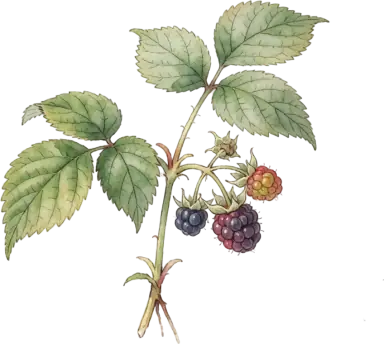
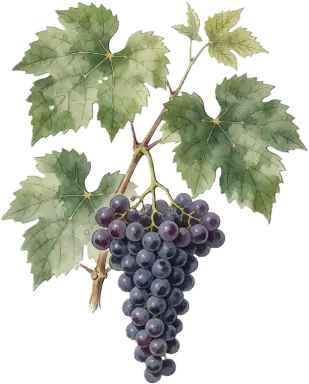
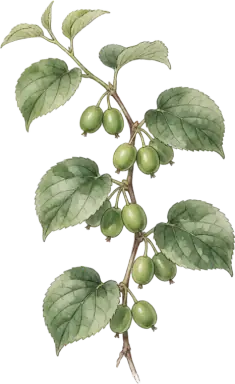
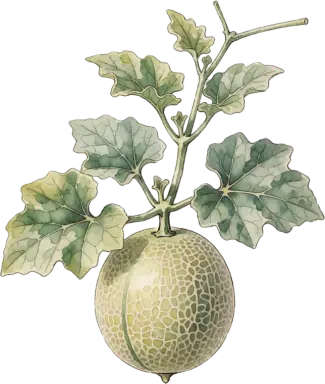
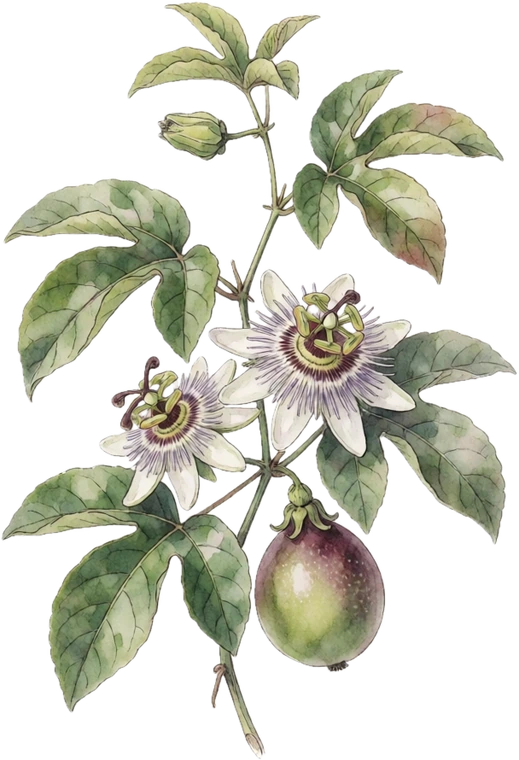
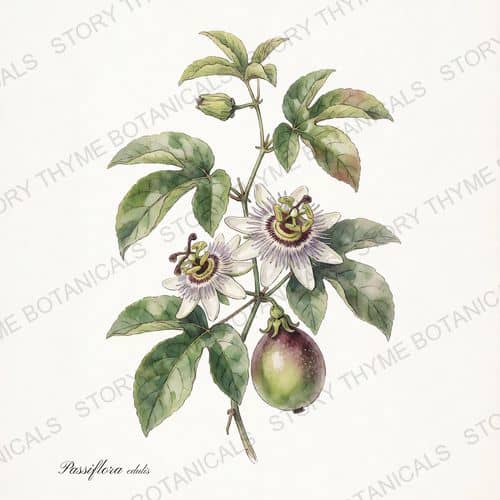
Botanical illustration of Passionfruit (Tropical)

Passionfruit earns its cult: the wrinkled purple fruit drops from the vine packed with fragrant, tart-sweet pulp — the flavor behind the world's best juices — and one vigorous vine can bury a fence in a single season while it produces. The flowers alone look engineered by a jeweler.

Hand it a sunny fence or arbor in zones 9 to 11 — purple types are the self-fertile, hardier choice — or grow it potted and dragged in where winters bite; gardeners in zone 5 can plant its hardy native cousin, maypop, instead. Eat only the ripe, wrinkled fruit; the foliage is not for nibbling. Fences were made for this.

Where to buy passionfruit (tropical) — 4 nurseries compared

  • Full Sun
  • Moderate water
  • Very Fast growth
  • Excellent edible
  • Attracts bees
  • None winter chill
  • Needs a pollination partner
Passionfruit (Tropical) — a print from the Plant Library collection

From the print shop

Growing passionfruit (tropical)? Hang it.

Our Plant Library collection carries passionfruit (tropical) — Passiflora edulis, print Nº 350, “Passionfruit (Tropical).”

526 designsfrom $12.99white or black backgroundmatte poster, unframed

Shop Plant Library botanical prints →

✓

Will it fruit where you are?

Enter your ZIP — we look up your USDA hardiness zone (2023 map) and check it against what passionfruit (tropical) actually needs.

Life cyclePerennial zones 9–11, annual elsewhere
Winter chillNone
PollinationPartner needed

Passionfruit (Tropical) · Common problems

Common passionfruit (tropical) problems

Pests, diseases and weather to keep an eye on.

Pests

3 problems on file

  • Aphids
  • Scale
  • Caterpillars (Gulf Fritillary — shared host)

Diseases

2 problems on file

Pollination

Poor pollination → low fruit set (plant a partner)

Passionfruit (Tropical) · Growing & propagation

Growing passionfruit (tropical)

Light, water, soil, propagation and the season’s jobs.
What it needsThe details
Light
Full Sun
Water
Moderate-High in growth
Soil
Rich, well-drained · pH 6.0 - 7.0
Fertilizer
Balanced feed monthly; ease off high-N

All vine, no fruit

Pruning
After fruiting

Trellis it hard; thin old wood; fruits on new growth.

Spacing
Strong trellis; 6+ ft

Passionfruit (Tropical) · Harvest & keeping

What you get from passionfruit (tropical)

How long before it bears, how much it gives, how you know it is ready, and how long it keeps once picked.
Botanical illustration of Passionfruit (Tropical)
Years to first harvest
1 to 2 years
Typical yield
30–100 fruits
What you eat
Fruit (pulp)
How to tell it is ready
Colors fully and drops to the ground

Wrinkled skin means extra sweet

How long it keeps
1-2 weeks at room temperature

The pulp freezes

Passionfruit (Tropical) · Seasonal care & spray guidance

The passionfruit (tropical) growing playbook

Field-tested instructions for every job passionfruit (tropical) asks of you, compiled from university extension guidance — in the order the season brings them.

While it is dormant

winter, before growth starts

2 jobs
PruningIn winter

Prune in late winter, while the vine is idle

In late winter, when the vine is not actively growing and before the spring flush, cut out dead and weak stems and pull down the thatch of dead leaves caught in the canopy. Train one main stem to the top wire, then let it run horizontally and drape downward in a curtain. Disinfect your pruners between plants with a 10% bleach solution or quaternary ammonium. That mat of dead leaves holds humidity against living tissue, which is exactly what Alternaria brown spot and anthracnose need to sporulate. Opening the canopy to airflow is the single cheapest disease control this vine has, and pruning sap carries woodiness virus from vine to vine on dirty blades.

ProtectionIn winter

Wrap the crown before a freeze

Before a freeze, wrap the base of the vine with high R-value insulation such as fiberglass batting to save the crown even if the top is lost - new shoots regrow from that protected wood. If you run overhead sprinklers for freeze protection, start them when temperatures reach about 36 degrees F and do not shut them off until wet bulb temperature climbs back above 32 degrees F the next day. A mature vine shrugs off several degrees below freezing, but prolonged exposure at 32 degrees F or a dip into the low-to-mid 20s kills it to the ground (UF/IFAS HS1406). Yellow types are the more frost tender of the two (UC ANR Ventura County). Turning sprinklers off while ice is still on the vine strips heat out as the ice sublimates and does more damage than no water at all.

As growth begins

early spring

2 jobs
MulchingIn spring

Mulch the root zone, but keep it off the collar

Lay 2 to 4 inches of mulch around the base of the vine to hold moisture and suppress weeds. Keep the mulch pulled back from the stem itself so the root collar stays dry and airy. Shallow roots dry out fast and hate the swings, so mulch steadies them (UF/IFAS HS1467). But collar rot, caused by Haematonectria haematococca and Fusarium solani, girdles the vine right at the soil line and the fungus stays viable in that soil for up to four years (UF/IFAS HS1397) — so holding wet mulch against the collar is asking for it.

FeedingIn spring

Feed lightly and often once growth restarts

Starting when the vine breaks into spring growth, apply a granular 10-10-10 or 8-3-9 with micronutrients at about 0.25 lb per young plant, working up to roughly 1 lb per mature vine, every 4 to 6 weeks through the growing season. On alkaline soil, drench with a chelated iron product such as Sequestrene 138 (6% Fe-EDDHA) two to four times a year. Passionfruit is a shallow-rooted vine that can push more than 35 feet of growth in a single year, so it runs through nutrients fast and cannot mine deep soil for them. Small frequent doses match that draw, while one heavy dose, especially of nitrogen, buys you vine instead of fruit.

While it flowers

at bloom

1 job
What to watch forAt bloom

Check fruit set at bloom, and hand-pollinate if it is poor

When the flowers open, watch whether large carpenter bees or honeybees are working them and whether young fruit are setting behind the blooms. If set is poor, transfer pollen with a clean cotton glove or a soft paintbrush from the anthers of one flower to the stigmas of another, ideally a different vine. Yellow passionfruit must get pollen from a genetically different vine; plant a second cultivar nearby. The flower hangs its anthers below its stigmas, so gravity will not do the job and it needs a bee big enough to bridge the gap. Yellow passionfruit is largely self-incompatible and some purple-yellow hybrids are partly so, which is why a lone vine can bloom heavily and set almost nothing. Heavy rain, high humidity, and temperature extremes also knock out pollination.

Through summer

the growing season

2 jobs
WateringIn summer

Water little and often, and never let it sit wet

Through the growing season give small, frequent irrigation that keeps soil moist but never saturated - a drip line or a low-aspect microsprinkler on a timer does this better than hand watering. In hot inland weather this may mean daily. Do not compensate for a dry spell with a flood. The root system is shallow and has limited tolerance of both drought and flooding. Dry it out and fruit drop and leaves wither; keep it saturated and you invite Phytophthora crown and root rot, which kills purple passionfruit outright.

What to watch forIn summer

Scout leaf undersides for mites and Gulf fritillary caterpillars

Through the warm months turn leaves over and look for stippled yellowing on the upper surface, brown necrotic dry patches, or fine silken webbing - all mite damage. Treat with a selective miticide at the first symptoms rather than waiting for webbing. For Gulf fritillary caterpillars, scout and hand-remove eggs and larvae; reserve any insecticide for outside the bloom period. Mites are the most common passionfruit pest, and where natural predators are scarce they defoliate a vine to death; they also chew flower buds, cutting fruit set before you ever see a flower. Gulf fritillary larvae feed on nothing but passionfruit foliage and can strip a vine completely.

Harvest time

as it ripens, and picking

1 job
HarvestingAt harvest

Let it fall, then gather off the ground daily

Fruit is ready roughly 70 to 75 days after the flower opens. Rather than picking, let ripe fruit drop and collect it off the ground every day; the thick rind means the fall does not damage it. Store what you gather in plastic bags at 41 to 54 degrees F and 85 to 90% humidity for two weeks or more. Picking from the vine is guesswork - the fruit gives few external cues and comes off under-ripe. Drop is the vine's own ripeness signal. Gathering daily also denies fruit flies the overripe fruit they breed in, which is what causes premature drop and woody lumps the following round. A wrinkling rind is water leaving the peel, not spoilage; the pulp is still good.

Passionfruit (Tropical) · Calculators & field guides

A little help in the garden.

Calculators for the figures. Field guides for the hands-on work.

Passionfruit (Tropical) · Yearly calendar

The passionfruit (tropical) year, month by month

What passionfruit (tropical) asks for, month by month.

Jan

No calendar activity is listed for this month.

MonthJanFebMarAprMayJunJulAugSepOctNovDec
Bloom

BloomJune to August

What each band means

  • Bloom — flowers open — pollinators working, frost on blossoms is the danger.

These are the species' typical months — expect them a few weeks earlier in warm zones and later in cold ones. Watch the plant, not just the calendar.

Passionfruit (Tropical) · Ecology & uses

Ecology & uses

What it does for the garden, and what it is grown for.
Botanical illustration of Passionfruit (Tropical)

Passiflora edulis

Passionfruit (Tropical) in the garden system

  • Vine layer vine
  • Nectary/insectary
  • Hosts Gulf fritillary & zebra longwing butterflies
Attracts
Bees
Habitat
Dry/rocky
Moisture
Facultative / average
Deer
Browsed

Protect young plants

Origin
Introduced

What passionfruit (tropical) is grown for

! Some parts toxic — see notesRipe fruit safe; unripe fruit + foliage not for eating

Use
Juice
Use
Fresh eating
Use
Ornamental screen
Edible value
4/5

Harvesting & storing passionfruit (tropical)

Fruit ripens and WRINKLES, then drops — gather off the ground.

Edibility, identification, and traditional-use notes here are general reference — not medical or veterinary advice, and not a claim that any plant treats or prevents anything. Medicinal ratings record how strongly a plant features in herbal tradition, nothing more. Never eat or dose a plant you have not positively identified. More on how to use this library.

Passionfruit (Tropical) · Varieties & cultivars

Best passionfruit (tropical) varieties & cultivars

There are far more than these — the ones below are the named varieties of passionfruit (tropical) people actually plant.

Named varieties of passionfruit (tropical) differ in winter-chill needs, ripening time, hardiness, and whether they set fruit on their own — pick one that fits your climate.

9 varieties

Possum Purple

Also known as Purple Possum

Self-fertile

Ripens
70-75 days after bloom
Zones
9-11
Size
fruit 2.5-3.5 in long, about 2 in across

sweet, moderately strong, pleasant aroma — A seedling selection from Possum Trot Nursery and the most widely grown passionfruit in south Florida, and the safest default for a single-vine home planting since its flowers are self-compatible. UF/IFAS HS1467 reports it is a cross between purple and yellow passionfruit, demonstrated by its seedlings segregating for both purple and yellow fruit color - so buy a rooted plant, not seed, if you want the parent's fruit.

Where to buy ‘Possum Purple’

Story Thyme Farms may earn a small commission from these links, at no cost to you — it never changes what we recommend.

Sources & plant identity

Know what you’re growing.
See where the knowledge comes from.

Botanical illustration of Passionfruit (Tropical)

Passionfruit (Tropical)

Passiflora edulis

The plant, at a glance.

Botanical name
Passiflora edulis
Plant family
Passifloraceae
Growth habit
Vine · Tender Perennial
Origin
Introduced
USDA plant symbol
PAED
Invasive risk
Low
Every garden is different.

Hardiness, size and timing vary with your cultivar, soil and climate.

Rooted in research.

University extension research, brought together with hands-on growing experience at Story Thyme Farms.

Explore Passionfruit (Tropical)’s sources4 reference links
for Passionfruit (Tropical)

Research from these sources

Publisher marks identify sources, not sponsorship or endorsement.

Questions

Passionfruit (Tropical) questions, answered straight.

Why isn't my passionfruit (tropical) fruiting?

Most often: it has no genetically distinct partner nearby. Passionfruit (Tropical) can't pollinate itself — purple types mostly self-fertile; yellow types need a second clone + often hand-pollination. Plant a second, unrelated one nearby; two different cultivars, or a cultivar plus a seedling, is the classic pairing.

Is passionfruit (tropical) safe for kids and pets?

With care. Ripe fruit safe; unripe fruit + foliage not for eating Site it accordingly if children or pets roam the garden. This is general reference, not medical or veterinary advice — call a vet or poison control if something has actually been eaten.

When do you harvest passionfruit (tropical)?

Fruit ripens and WRINKLES, then drops — gather off the ground.

Elsewhere

Where passionfruit (tropical) sits in the library.

Where passionfruit (tropical) sits in the library

Grows in the same world