Orach (Mountain Spinach)

Atriplex hortensis

Family Amaranthaceae

Annual annualZones 2-11

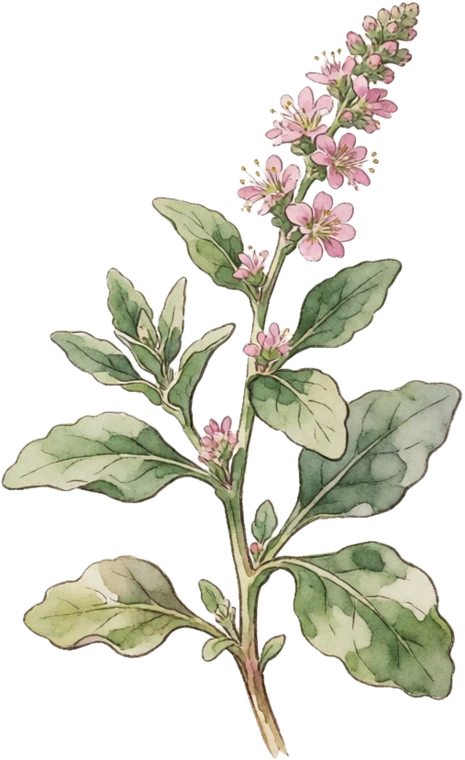
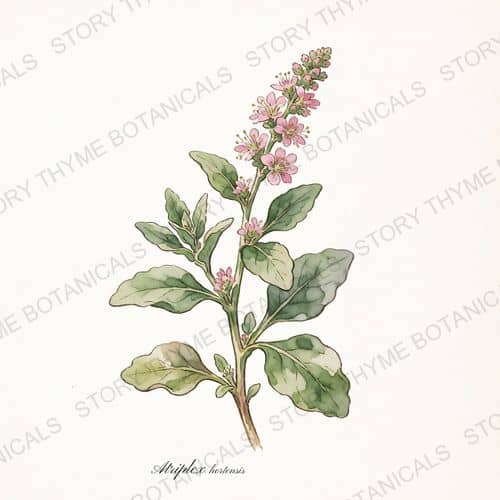
Botanical illustration of Orach (Mountain Spinach)

Pioneers grew orach because spinach couldn't take the heat — and it still can't. Mountain spinach keeps making tender, mild leaves deep into summer, long after true spinach has bolted, and the magenta-leaved form is so vivid it moonlights in flower borders.

It shoots up four to six feet, shrugging at salt and poor soil, with gold and green forms alongside that famous red. Cook it like spinach or toss young leaves raw. When the summer sun ends salad season, orach is how you refuse to accept it — tuck a row in.

Where to buy orach (mountain spinach) — 1 nursery compared

  • Full Sun
  • Moderate water
  • Fast growth
  • Excellent edible
  • Salt-tolerant
  • Attracts bees
  • None winter chill
Orach (Mountain Spinach) — a print from the Plant Library collection

From the print shop

Growing orach (mountain spinach)? Hang it.

Our Plant Library collection carries orach (mountain spinach) — Atriplex hortensis, print Nº 338, “Orach (Mountain Spinach).”

526 designsfrom $12.99white or black backgroundmatte poster, unframed

Shop Plant Library botanical prints →

✓

Will it fruit where you are?

Enter your ZIP — we look up your USDA hardiness zone (2023 map) and check it against what orach (mountain spinach) actually needs.

Life cycleAnnual
Winter chillNone

Orach (Mountain Spinach) · Common problems

Common orach (mountain spinach) problems

Pests, diseases and weather to keep an eye on.

Pests

1 problem on file

  • Almost none

Diseases

1 problem on file

  • Almost none

Orach (Mountain Spinach) · Growing & propagation

Growing orach (mountain spinach)

Light, water, soil, propagation and the season’s jobs.
What it needsThe details
Light
Full Sun
Water
Moderate
Soil
Any, tolerates poor and even salty soil · pH 6.0 - 7.5
Fertilizer
Light
Pruning
None

Pinch tips to delay bolting and keep leaves coming; the tall red types double as a back-of-border ornamental. Self-sows.

Spacing
10-12 in

How to plant & propagate orach (mountain spinach)

Maturity
40-60 days
From seed
Direct-sow early

Heat-tolerant; self-sows

Propagate
From seed

Orach (Mountain Spinach) · Seasonal care & spray guidance

The orach (mountain spinach) growing playbook

Field-tested instructions for every job orach (mountain spinach) asks of you, compiled from university extension guidance — in the order the season brings them.

As growth begins

early spring

5 jobs
SowingIn spring

Direct-sow as early as the soil can be worked

Sow seed about a half inch to an inch deep in rows roughly 2 feet apart, as soon as the ground is workable in spring. Grow it much as you would garden spinach. Orach is a cool-season vegetable that is quick to bolt once summer heat arrives, so the tender leaves you actually eat are the ones it builds while the weather is still cool. It outlasts true spinach in heat, but it does not outlast it forever.

Planting outIn spring

Transplant seedlings rather than discarding them

Orach seedlings move well, so you can start plants indoors and set them out, or lift and reset seedlings you pull while thinning. Set them 6 to 12 inches apart in rows about 2 feet apart. UF/IFAS states plainly that orach seedlings may be transplanted, which is not true of every cool-season green. That lets growers in short-season zones start the crop under cover and get picking sooner in the narrow cool window, and it means the seedlings you pull while thinning are worth resetting instead of discarding.

ThinningIn spring

Thin to 6-12 inches once seedlings are handling-size

Thin seedlings to stand 6 to 12 inches apart in the row once they are big enough to handle. The thinnings are edible leaves, so eat them rather than composting them. A single orach plant develops a stout, angular, branching stem 5 to 6 feet tall. Left at seeding density the plants stay spindly, shade each other, and give small leaves instead of the broad soft ones worth picking.

What to watch forIn spring

Leafminer: check leaf undersides for egg clusters

Once plants are up, turn leaves over regularly and look for clusters of 4 to 8 white eggs on the undersides, and for pale blotches that later turn brown. Pick off and destroy egg-bearing or mined leaves as you find them, and pull lambsquarters and other chenopod weeds nearby. Spinach leafminer attacks crops and weeds in the Chenopodiaceae, the family orach belongs to, and lambsquarters growing nearby feeds the flies that then find your row. The larva feeds between the leaf surfaces where nothing sprayed on the outside reaches it, so catching eggs before they hatch is the control that actually works.

ProtectionIn spring

Row cover at sowing to exclude the leafminer flies

Lay a fine-mesh row cover over the bed at sowing or transplanting and seal the edges down to the soil. Only cover ground that did not grow orach, beets, chard, or spinach last year. Because you are eating leaves and orach is wind-pollinated, the cover can stay on all season. The adult leafminer is a fly that overwinters as a pupa in the soil, emerges in spring, and must land on a leaf to lay her eggs. A sealed cover stops her outright, which matters because once the larvae are inside the leaf they cannot be reached. Covering ground that held a host crop last year backfires, since the pupae emerge underneath the cover.

Harvest time

as it ripens, and picking

1 job
HarvestingAt harvest

Pick leaves and tender stems from about 40 days on

Leaves and the tender attached stems are ready roughly 40 to 60 days after seeding. Pick leaves as you want them rather than cutting the whole plant down, and use them as a cooking green. Orach is picked leaf by leaf like spinach, and the leaves are best while they are still slightly crimped, soft, and pliable. They toughen as the plant shifts out of its leaf rosette and into a seed stalk that can reach 8 feet.

After harvest

autumn, and putting it to bed

2 jobs
SowingIn autumn

Where winters are mild, make the main sowing in fall, not spring

In hot-summer, mild-winter regions, sow from early fall onward instead of in spring. UF/IFAS sows orach in Florida from mid-September through February, and from October through January in the southern half of the state. Orach's season is the cool one, whenever that lands in your climate. In the Deep South and the low desert a spring sowing runs into bolting heat within a few weeks, while a fall sowing gets months of the mild weather the plant actually wants.

ProtectionAfter harvest

Clear the spent bed, and save the deep tillage for early spring

When picking is over, pull and destroy the spent plants instead of leaving residue standing over winter. Do not turn the bed now: wait and plow it deeply in early spring, before the flies emerge, to destroy overwintered material from last season. Move next season's orach, beets, chard, and spinach to different ground. Leafminers spend the winter as pupae in the soil and in the debris of the crop they fed on, and the first generation in spring is the one that does the most damage. Clearing the residue takes away the debris they overwinter in; the deep tillage does its work in early spring, timed to disrupt the pupae just before that first flight rather than months ahead of it. Rotating away from chenopod hosts breaks the cycle from the other side.

Orach (Mountain Spinach) · Calculators & field guides

A little help in the garden.

Calculators for the figures. Field guides for the hands-on work.

Orach (Mountain Spinach) · Yearly calendar

The orach (mountain spinach) year, month by month

What orach (mountain spinach) asks for, month by month.

Jan

No calendar activity is listed for this month.

MonthJanFebMarAprMayJunJulAugSepOctNovDec
Bloom
Harvest

BloomJune to August

HarvestMarch to May, then September to November

What each band means

  • Bloom — flowers open — pollinators working, frost on blossoms is the danger.
  • Harvest — picking time — check ripeness every few days.

These are the species' typical months — expect them a few weeks earlier in warm zones and later in cold ones. Watch the plant, not just the calendar.

Orach (Mountain Spinach) · Ecology & uses

Ecology & uses

What it does for the garden, and what it is grown for.
Botanical illustration of Orach (Mountain Spinach)

Atriplex hortensis

Orach (Mountain Spinach) in the garden system

  • Herbaceous layer annual
Attracts
Bees
Moisture
Facultative / average
Salt
Salt-tolerant

Fine near roads and coasts

Deer
Browsed

Protect young plants

Origin
Introduced

What orach (mountain spinach) is grown for

✓ Commonly eatena traditional potherb

Use
Heat-season spinach
Use
Ornamental greens
Use
Salty/poor soil
Edible value
4/5

Harvesting & storing orach (mountain spinach)

Young leaves spring-fall — a spinach substitute that DOESN'T bolt as fast in heat; comes in green, gold, and stunning magenta-red. About 40-60 days from planting.

Edibility, identification, and traditional-use notes here are general reference — not medical or veterinary advice, and not a claim that any plant treats or prevents anything. Medicinal ratings record how strongly a plant features in herbal tradition, nothing more. Never eat or dose a plant you have not positively identified. More on how to use this library.

Orach (Mountain Spinach) · Varieties & cultivars

Best orach (mountain spinach) varieties & cultivars

There are far more than these — the ones below are the named varieties of orach (mountain spinach) people actually plant.

Named varieties of orach (mountain spinach) differ in days to maturity, disease resistance, flavor, and habit — pick one that fits your season and space.

7 varieties

Ruby Red

Zones
2-11

Spinach-like — Grown as an annual, so it can be raised in any zone within its season. Expect a few all-green plants in any planting. Start picking when plants reach about a foot tall.

Where to buy ‘Ruby Red’verified

Story Thyme Farms may earn a small commission from these links, at no cost to you — it never changes what we recommend.

Sources & plant identity

Know what you’re growing.
See where the knowledge comes from.

Botanical illustration of Orach (Mountain Spinach)

Orach (Mountain Spinach)

Atriplex hortensis

The plant, at a glance.

Botanical name
Atriplex hortensis
Plant family
Amaranthaceae
Growth habit
Annual
Origin
Introduced
USDA plant symbol
ATHO
Invasive risk
Low
Every garden is different.

Hardiness, size and timing vary with your cultivar, soil and climate.

Rooted in research.

University extension research, brought together with hands-on growing experience at Story Thyme Farms.

Explore Orach (Mountain Spinach)’s sources6 reference links
for Orach (Mountain Spinach)

Research from these sources

Publisher marks identify sources, not sponsorship or endorsement.

Questions

Orach (Mountain Spinach) questions, answered straight.

Is orach (mountain spinach) safe for kids and pets?

Orach (Mountain Spinach) is commonly eaten and isn't considered toxic, but "commonly eaten" isn't a guarantee for any particular person or animal — allergies, quantity, and which part you eat all matter. One caveat on this one: a traditional potherb. Never eat a plant you haven't positively identified, and check with a vet before letting pets or livestock graze anything new.

When do you harvest orach (mountain spinach)?

Young leaves spring-fall — a spinach substitute that DOESN'T bolt as fast in heat; comes in green, gold, and stunning magenta-red. From planting, expect about 40-60 days to maturity.

How do you propagate orach (mountain spinach)?

From seed.

Elsewhere

Where orach (mountain spinach) sits in the library.

Where orach (mountain spinach) sits in the library

Grows in the same world