Nasturtium

Tropaeolum majus

Family Tropaeolaceae

Annual annualZones 2-11

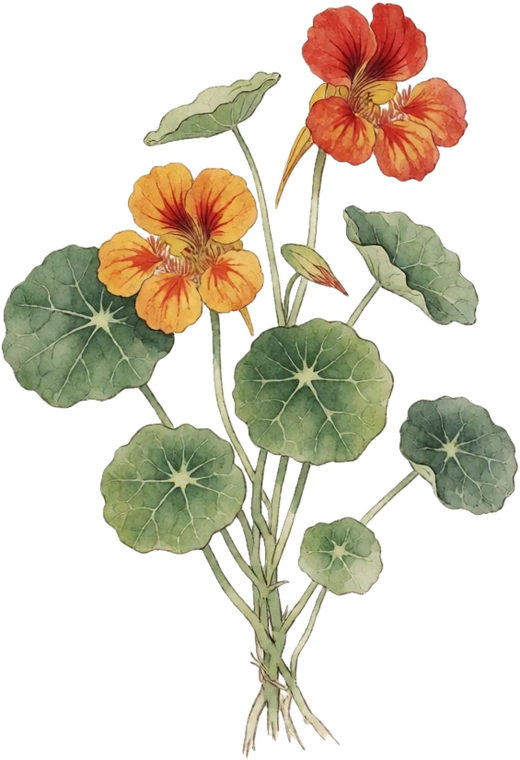
Botanical illustration of Nasturtium

Every part of a nasturtium is edible — peppery leaves and flowers for salads, green seed pods that pickle into poor-man's capers — from a plant that actively prefers poor soil and neglect. Flavor, color, and a working résumé, all off one cheerful mound.

It also plays defense, pulling aphids away from the vegetables as a trap crop while hummingbirds and bees visit the blooms. Choose one-foot mounds or six-foot trailers to fit the space. If any annual has fully earned a garden spot, sow this one.

Where to buy nasturtium — 6 nurseries compared

  • Full Sun
  • Low water
  • Fast growth
  • Excellent edible
  • Attracts hummingbirds
  • Attracts bees
  • None winter chill
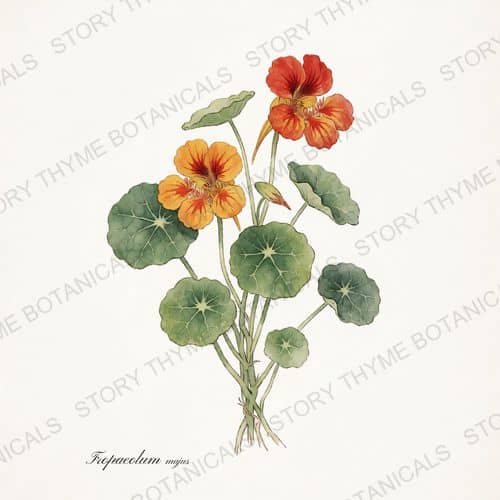
Nasturtium — a print from the Plant Library collection

From the print shop

Growing nasturtium? Hang it.

Our Plant Library collection carries nasturtium — Tropaeolum majus, print Nº 322, “Nasturtium.”

526 designsfrom $12.99white or black backgroundmatte poster, unframed

Shop Plant Library botanical prints →

✓

Will it fruit where you are?

Enter your ZIP — we look up your USDA hardiness zone (2023 map) and check it against what nasturtium actually needs.

Life cycleAnnual
Winter chillNone

Nasturtium · Common problems

Common nasturtium problems

Pests, diseases and weather to keep an eye on.

Pests

1 problem on file

  • Aphids — ON PURPOSE: it's the trap crop drawing them off your beans

Diseases

1 problem on file

  • None significant

Nasturtium · Growing & propagation

Growing nasturtium

Light, water, soil, propagation and the season’s jobs.
What it needsThe details
Light
Full Sun
Water
Low
Soil
POOR and unfed

Pamper it and it's all leaves · pH 6.0 - 7.5

Fertilizer
Never
Pruning
None — None.
Spacing
10-12 in

How to plant & propagate nasturtium

Maturity
50-60 days
From seed
Direct-sow after frost

Large seed, easy

Propagate
From seed

Nasturtium · Seasonal care & spray guidance

The nasturtium growing playbook

Field-tested instructions for every job nasturtium asks of you, compiled from university extension guidance — in the order the season brings them.

When to spray nasturtium

Growing season. Blast the aphid-covered stems with water or snip them out — that's the trap working.

As growth begins

early spring

4 jobs
SowingIn spring

Direct sow after your last frost, soaking the seed first

Once all danger of frost has passed, soak the seeds in water for several hours or overnight, then sow them half an inch deep and 10 to 12 inches apart in well-drained soil in full sun. Keep the seedbed moist; expect germination in 7 to 10 days. Nasturtium is a frost-tender warm-weather annual, and its large hard-coated seed germinates faster once soaked. The half-inch depth matters because the seed needs darkness to germinate. Plants in partial shade bloom poorly.

SowingIn spring

Interplant with squash and brassicas as a companion

When you sow, put nasturtium alongside squash and pumpkins, and among broccoli and cabbage. This is one of the few companion pairings with research behind it rather than chart folklore. Trials have shown nasturtium reduces squash bug populations, and an Iowa study found that nasturtium and marigold each helped reduce squash bug and cucumber beetle damage. In brassicas, thyme, onion and nasturtium reduced cabbage looper and imported cabbageworm damage in broccoli.

Planting outIn spring

If you start indoors, use peat or paper pots and plant the whole pot

In short-season gardens, start seed indoors 4 to 6 weeks before your last expected spring frost, but sow into peat or paper pots rather than plastic cells. Set the entire pot into the ground after frost danger passes without disturbing the roots. Nasturtium resents root disturbance and does not transplant well, so a pot that goes into the soil intact avoids the transplant shock that stalls or kills bare-rooted seedlings.

FeedingIn spring

Withhold fertilizer unless the soil is genuinely poor

Skip the feeding on average garden soil. Only fertilize if your soil is extremely poor, and then lightly. Nasturtium grows best in poor to average, well-drained ground and tolerates drought and neglect. High fertility pushes nasturtium into leaf at the expense of bloom, so a well-fed plant gives you a mound of foliage and few of the flowers you actually want. This is the single most common way growers ruin the crop.

While it flowers

at bloom

1 job
PruningAt bloom

Deadhead through bloom, and cut back plants that go leggy

Keep picking or deadheading the flowers once bloom begins. If plants decline or go leggy by midseason, cut them back lightly and they will push new growth for the rest of the season. Deadheading or picking the flowers prolongs blooming (UW-Madison Extension), so harvesting the crop and maintaining it are the same act. Illinois Extension adds that plants that decline or go leggy in summer can be cut back lightly and will regrow for the remainder of the season.

Through summer

the growing season

2 jobs
WateringIn summer

Water regularly to keep the leaves mild and the bloom coming

Although nasturtium tolerates drought, water it regularly through the growing season. Keep plants well watered if you are eating the leaves. Steady water moderates the spiciness of the leaves and flowers, while heat-stressed plants turn harshly pungent. Regular water also sustains strong blooming rather than merely keeping the plant alive.

What to watch forIn summer

Scout for aphids, cabbageworms and whiteflies, and control them without spray

Check leaf undersides and growing tips for aphids, whiteflies and imported cabbageworms. Knock aphids off with a jet of water, pick caterpillars by hand, and pull out any plant that has become an aphid colony. Leafminers may make serpentine trails on the leaves, but this does not damage the plant and needs no action. These are the pests extension records on nasturtium, and because you eat the leaves, buds, flowers and pods, the plant is a food crop where physical removal is the appropriate control rather than a chemical one.

Harvest time

as it ripens, and picking

1 job
HarvestingAt harvest

Pick leaves, flowers and green pods the day you will eat them

Harvest young leaves and open flowers all season, taking the youngest leaves for the most tender flavor. Pick blossoms early or late in the day while they are cool, on the day you will use them and no more than a day early. Wash gently, dry, and refrigerate in plastic bags. Gather flower buds and immature green seed pods to pickle as a caper substitute. Blossoms are thin-tissued and collapse quickly once cut and warm, so freshness at harvest is what the eating quality depends on. Older leaves turn bitter, and the seed pods must be taken while still green and soft, before they harden into seed.

Nasturtium · Companion plants

Nasturtium companion plants

Good companions

  • Cucurbits
  • brassicas
  • tomatoes — a trap crop that lures aphids away

Underlined names have their own growing guide in this library.

Nasturtium · Calculators & field guides

A little help in the garden.

Calculators for the figures. Field guides for the hands-on work.

Nasturtium · Yearly calendar

The nasturtium year, month by month

What nasturtium asks for, month by month.

Jan

No calendar activity is listed for this month.

MonthJanFebMarAprMayJunJulAugSepOctNovDec
Bloom

BloomJune

What each band means

  • Bloom — flowers open — pollinators working, frost on blossoms is the danger.

These are the species' typical months — expect them a few weeks earlier in warm zones and later in cold ones. Watch the plant, not just the calendar.

Nasturtium · Ecology & uses

Ecology & uses

What it does for the garden, and what it is grown for.
Botanical illustration of Nasturtium

Tropaeolum majus

Nasturtium in the garden system

  • Groundcover layer annual
  • Pest control
  • Nectary/insectary
Attracts
Hummingbirds, Bees
Moisture
Upland / dry
Deer
Browsed

Protect young plants

Origin
Introduced

What nasturtium is grown for

✓ Commonly eatenfully edible

Use
Edible flowers
Use
Trap crop
Use
Poor-man's capers
Edible value
4/5

Harvesting & storing nasturtium

Leaves + flowers (peppery salad), green seed pods (capers). About 50-60 days from planting.

Edibility, identification, and traditional-use notes here are general reference — not medical or veterinary advice, and not a claim that any plant treats or prevents anything. Medicinal ratings record how strongly a plant features in herbal tradition, nothing more. Never eat or dose a plant you have not positively identified. More on how to use this library.

Nasturtium · Varieties & cultivars

Best nasturtium varieties & cultivars

There are far more than these — the ones below are the named varieties of nasturtium people actually plant.

Named varieties of nasturtium differ in days to maturity, disease resistance, flavor, and habit — pick one that fits your season and space.

7 varieties

Empress of India

Ripens
Bloom through frost
Zones
2-11
Size
Compact bush, about 12 inches

Peppery — Compact semi-bush type carrying crimson to purple-red flowers over dark blue-green foliage. Small enough for beds, borders and containers without a trellis.

Where to buy ‘Empress of India’verified

Story Thyme Farms may earn a small commission from these links, at no cost to you — it never changes what we recommend.

Sources & plant identity

Know what you’re growing.
See where the knowledge comes from.

Botanical illustration of Nasturtium

Nasturtium

Tropaeolum majus

The plant, at a glance.

Botanical name
Tropaeolum majus
Plant family
Tropaeolaceae
Growth habit
Annual
Origin
Introduced
USDA plant symbol
TRMA7
Invasive risk
Low
Every garden is different.

Hardiness, size and timing vary with your cultivar, soil and climate.

Rooted in research.

University extension research, brought together with hands-on growing experience at Story Thyme Farms.

Explore Nasturtium’s sources5 reference links
for Nasturtium

Research from these sources

Publisher marks identify sources, not sponsorship or endorsement.

Questions

Nasturtium questions, answered straight.

Is nasturtium safe for kids and pets?

Nasturtium is commonly eaten and isn't considered toxic, but "commonly eaten" isn't a guarantee for any particular person or animal — allergies, quantity, and which part you eat all matter. One caveat on this one: fully edible. Never eat a plant you haven't positively identified, and check with a vet before letting pets or livestock graze anything new.

When do you harvest nasturtium?

Leaves + flowers (peppery salad), green seed pods (capers). From planting, expect about 50-60 days to maturity.

What grows well with nasturtium?

Proven companions include cucurbits, brassicas, tomatoes — a trap crop that lures aphids away — the full companion list, and what to keep away, is in the Growing tab above.

How do you propagate nasturtium?

From seed.

Elsewhere

Where nasturtium sits in the library.

Where nasturtium sits in the library

Grows in the same world