Mustard Greens

Brassica juncea

Family Brassicaceae

Annual annualZones 2-11

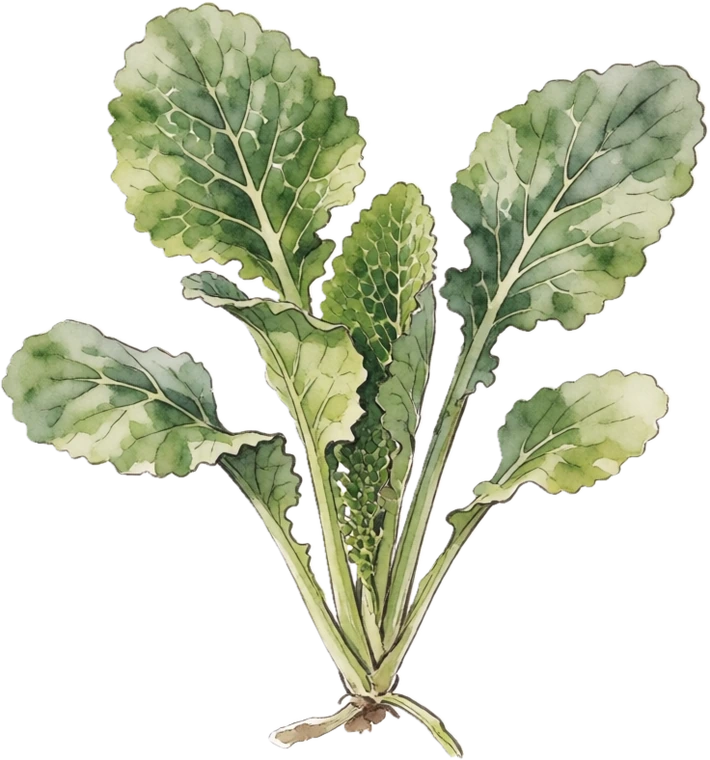
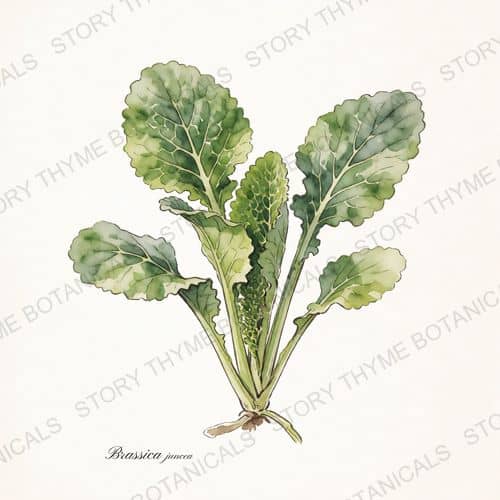
Botanical illustration of Mustard Greens

Mustard Greens deliver baby salad leaves three weeks from sowing and the peppery backbone of Southern braised greens soon after — then offer a party trick no seed packet advertises: let a few plants bolt, save the seed, grind it with vinegar, and you have made actual mustard.

The easiest brassica alive, it takes part shade, shrugs at neglect, and improves with cold — fall frost turns the burn sweet-hot instead of harsh. Spring and autumn sowings bracket the whole season. Scatter a packet where the summer crops came out and eat well into December.

Where to buy mustard greens — 3 nurseries compared

  • Full Sun to Part Shade
  • Moderate water
  • Very Fast growth
  • Excellent edible
  • Attracts bees
  • None winter chill
Mustard Greens — a print from the Plant Library collection

From the print shop

Growing mustard greens? Hang it.

Our Plant Library collection carries mustard greens — Brassica juncea, print Nº 319, “Mustard Greens.”

526 designsfrom $12.99white or black backgroundmatte poster, unframed

Shop Plant Library botanical prints →

✓

Will it fruit where you are?

Enter your ZIP — we look up your USDA hardiness zone (2023 map) and check it against what mustard greens actually needs.

Life cycleAnnual
Winter chillNone

Mustard Greens · Common problems

Common mustard greens problems

Pests, diseases and weather to keep an eye on.

Pests

4 problems on file

Diseases

1 problem on file

  • Few significant

Mustard Greens · Growing & propagation

Growing mustard greens

Light, water, soil, propagation and the season’s jobs.
What it needsThe details
Light
Full Sun to Part Shade
Water
Moderate
Soil
Rich, moist · pH 6.0 - 7.5
Fertilizer
Nitrogen at sowing
Pruning
None

Cut-and-come-again; fall sowing is the serious crop.

Spacing
6-10 in

How to plant & propagate mustard greens

Maturity
30-50 days
From seed
Direct-sow spring or fall

Fast; germinates 45-75°F

Propagate
From seed

Mustard Greens · Seasonal care & spray guidance

The mustard greens growing playbook

Field-tested instructions for every job mustard greens asks of you, compiled from university extension guidance — in the order the season brings them.

When to spray mustard greens

Growing season. Row cover from sowing.

As growth begins

early spring

2 jobs
SowingIn spring

Sow the spring crop as early as the soil can be worked

Direct seed a quarter to a half inch deep once the soil has thawed and drains, and thin the seedlings to four to eight inches apart, in rows twelve to sixteen inches apart. Seed emerges in three to seven days, and germination stalls below 40F, so there is no gain in sowing into ground that is still cold. Mustard is a cool-season green that bolts once heat arrives, so every week of cool weather you give it early is a week of tender leaves before the plant runs to seed.

ProtectionIn spring

Cover seedlings against flea beetles

Lay floating row cover over the bed right after sowing or transplanting, on hoops or straight on the plants, and bury or weight the edges on all sides so beetles cannot walk underneath. Treat when you find one to five beetles per plant or defoliation reaches 10 to 30 percent. If you are letting a few plants bloom for pollinators, pull the cover off those before the flowers open. Flea beetles chew small round holes straight through the leaves you intend to eat, and they hit hardest at the seedling stage in spring, when a plant has too little leaf area to outgrow the damage.

Through summer

the growing season

2 jobs
What to watch forIn summer

Scout leaf undersides for young caterpillars

Check the undersides of leaves weekly for cabbage looper, imported cabbageworm, and diamondback moth larvae and their frass. Handpicking is genuinely effective in a garden-sized planting. Act while the caterpillars are still small rather than waiting until the damage is obvious. Insecticides, including the organic ones, are far more effective against small young caterpillars than large ones, so the scouting is what makes any later spray work at all.

SprayingIn summer

Bacillus thuringiensis for caterpillars, while they are small

When scouting turns up young loopers, cabbageworms, or diamondback larvae, spray Bacillus thuringiensis var. kurstaki and cover the leaf undersides where the caterpillars actually feed. Bt is short-lived on the leaf, so repeat while pressure lasts. If Bt is not holding, spinosad also works on brassica caterpillars. Bt kurstaki is a stomach poison that has to be eaten to work, and only young larvae ingest enough to die, which is why a late spray on big caterpillars fails while an early one succeeds.

Harvest time

as it ripens, and picking

1 job
HarvestingAt harvest

Cut and come again, starting at baby leaf

Pick fully expanded outer leaves and leave the crown standing, or cut the whole plant just above the crown and let it push a second flush. Mustards reach full maturity anywhere from 25 to 50 days from sowing depending on the cultivar, and you can start taking leaves as baby greens well before that. Skip yellowing or dead leaves. Mustard regrows from the crown, so taking the outer leaves rather than the whole plant turns one sowing into several harvests, and picking young keeps the leaves before the pungency and toughness climb.

After harvest

autumn, and putting it to bed

3 jobs
SowingIn autumn

Sow the fall crop once the worst heat breaks

Direct seed a quarter to a half inch deep in late summer, timing it so plants size up as the weather cools rather than germinating into peak heat. Thin to four to eight inches apart in rows twelve to sixteen inches apart. Germination stagnates above 85F, and the fall crop is the better one anyway: it grows into cooling weather instead of racing the heat, so it never gets the bolting signal that ruins the spring planting.

FeedingAfter harvest

Light nitrogen side dressing after each cutting

After you crop the plants, side dress lightly with nitrogen alongside the row and water it in. Adjust the rest of the fertility before planting based on a soil test, and hold the soil pH between 6.0 and 6.5. You are harvesting the leaves themselves, so every cutting removes the nitrogen the plant needs to build the next flush of them; without it the regrowth comes back thin and slow.

ProtectionIn autumn

Let the frost land, but cover for a hard freeze

Leave the fall planting out through ordinary frosts, which it takes without harm. When a hard freeze is forecast, throw row cover or a blanket over the bed and pick anything you want at full quality first. Fall mustard tolerates frost, and the cold is part of why the fall crop eats better, but a hard freeze is a different event and will damage the plants outright.

Mustard Greens · Calculators & field guides

A little help in the garden.

Calculators for the figures. Field guides for the hands-on work.

Mustard Greens · Yearly calendar

The mustard greens year, month by month

What mustard greens asks for, month by month.

Jan

No calendar activity is listed for this month.

MonthJanFebMarAprMayJunJulAugSepOctNovDec
Harvest

HarvestApril to June, then September to December

What each band means

  • Harvest — picking time — check ripeness every few days.

These are the species' typical months — expect them a few weeks earlier in warm zones and later in cold ones. Watch the plant, not just the calendar.

Mustard Greens · Ecology & uses

Ecology & uses

What it does for the garden, and what it is grown for.
Botanical illustration of Mustard Greens

Brassica juncea

Mustard Greens in the garden system

  • Herbaceous layer annual
Attracts
Bees
Moisture
Facultative / average
Deer
Browsed

Protect young plants

Origin
Introduced

What mustard greens is grown for

✓ Commonly eaten

Use
Braised greens
Use
Salads (baby)
Use
DIY mustard
Edible value
4/5

Harvesting & storing mustard greens

April - June; September - December (frost sweetens the burn). About 30-50 days from planting.

Edibility, identification, and traditional-use notes here are general reference — not medical or veterinary advice, and not a claim that any plant treats or prevents anything. Medicinal ratings record how strongly a plant features in herbal tradition, nothing more. Never eat or dose a plant you have not positively identified. More on how to use this library.

Mustard Greens · Varieties & cultivars

Best mustard greens varieties & cultivars

There are far more than these — the ones below are the named varieties of mustard greens people actually plant.

Named varieties of mustard greens differ in days to maturity, disease resistance, flavor, and habit — pick one that fits your season and space.

5 varieties

Carolina Broadleaf

Zones
2-11
Disease
Bacterial leaf blight (Pseudomonas cannabina pv. alisalensis)

A USDA ARS release described in HortScience in 2016, the first mustard green cultivar with high resistance to the bacterial blight pathogen Pca. A highly uniform broadleaf in the same class as Florida Broad Leaf. Tender, lightly ruffled, light green leaves.

Where to buy ‘Carolina Broadleaf’

Story Thyme Farms may earn a small commission from these links, at no cost to you — it never changes what we recommend.

Sources & plant identity

Know what you’re growing.
See where the knowledge comes from.

Botanical illustration of Mustard Greens

Mustard Greens

Brassica juncea

The plant, at a glance.

Botanical name
Brassica juncea
Plant family
Brassicaceae
Growth habit
Annual
Origin
Introduced
USDA plant symbol
BRJU
Invasive risk
Low
Every garden is different.

Hardiness, size and timing vary with your cultivar, soil and climate.

Rooted in research.

University extension research, brought together with hands-on growing experience at Story Thyme Farms.

Explore Mustard Greens’s sources3 reference links
for Mustard Greens

Research from these sources

Publisher marks identify sources, not sponsorship or endorsement.

Questions

Mustard Greens questions, answered straight.

Is mustard greens safe for kids and pets?

Mustard Greens is commonly eaten and isn't considered toxic, but "commonly eaten" isn't a guarantee for any particular person or animal — allergies, quantity, and which part you eat all matter. Never eat a plant you haven't positively identified, and check with a vet before letting pets or livestock graze anything new.

When do you harvest mustard greens?

April - June; September - December (frost sweetens the burn). From planting, expect about 30-50 days to maturity.

How do you propagate mustard greens?

From seed.

Elsewhere

Where mustard greens sits in the library.

Where mustard greens sits in the library

Grows in the same world