Good King Henry

Blitum bonus-henricus

Family Amaranthaceae

PerennialZones 3-9

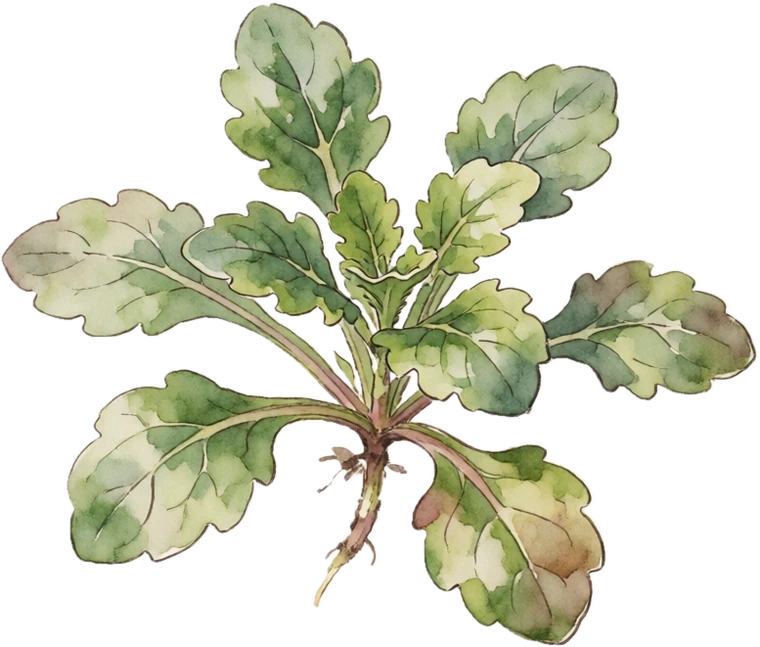
Botanical illustration of Good King Henry

Good King Henry has fed cottage gardens since the Middle Ages, and its old nickname says why: poor man's asparagus. Spring shoots to eat like asparagus, spinach-style leaves through summer, broccoli-ish flower buds between — three vegetables' worth of table from one humble, permanent plant.

No looker, by its own admission — a modest 1-to-2-foot clump for sun or part shade, hardy zones 3 to 9 — but it returns for years without replanting and asks nearly nothing. Cook the greens rather than piling them raw, as with spinach and its oxalate kin. Every perennial food layer deserves one old king.

Where to buy the plant — 1 nursery

  • Full Sun to Part Shade
  • Moderate water
  • Moderate growth
  • Excellent edible
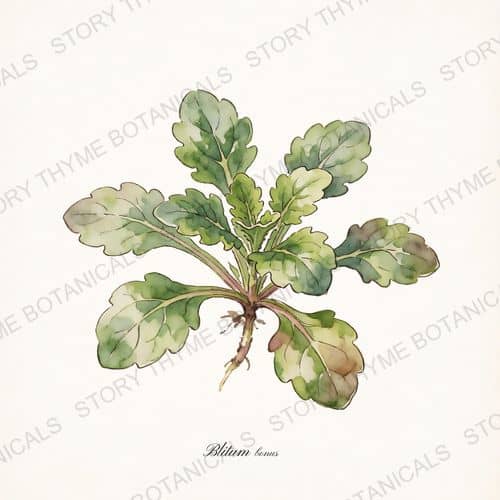
Good King Henry — a print from the Plant Library collection

From the print shop

Growing good king henry? Hang it.

Our Plant Library collection carries good king henry — Blitum bonus, print Nº 212, “Good King Henry.”

526 designsfrom $12.99white or black backgroundmatte poster, unframed

Shop Plant Library botanical prints →

✓

Will it fruit where you are?

Enter your ZIP — we look up your USDA hardiness zone (2023 map) and check it against what good king henry actually needs.

Hardy inZones 3-9

Good King Henry · Common problems

Common good king henry problems

Pests, diseases and weather to keep an eye on.

Pests

1 problem on file

  • Almost none

Diseases

1 problem on file

  • Few

Good King Henry · Growing & propagation

Growing good king henry

Light, water, soil, propagation and the season’s jobs.
What it needsThe details
Light
Full Sun to Part Shade
Water
Moderate
Soil
Rich, moist · pH 6.0 - 7.5
Fertilizer
Compost yearly
Pruning
Cut back in fall

Don't over-harvest year one (let it establish); then crop shoots + leaves for decades.

Spacing
12-18 in

How to plant & propagate good king henry

Maturity
perennial (crop year 2)
From seed
Sow spring

Let establish year 1

Propagate
From seed or division

Good King Henry · Seasonal care & spray guidance

The good king henry growing playbook

Field-tested instructions for every job good king henry asks of you, compiled from university extension guidance — in the order the season brings them.

As growth begins

early spring

3 jobs
SowingIn spring

Sow seed in spring into fertile, well-drained ground

Sow seed in spring in any well-drained fertile soil, in a sunny or semi-shaded spot. This is a long-lived perennial crown, so give it a permanent bed rather than a rotation slot, and plan to let the first season go to building the plant rather than to picking. Good King Henry is propagated by seed and it is the crown, not the top, that carries the crop forward, so a spring sowing gives the plant a full season to build the root reserves it will draw on for its first real spring shoots.

HarvestingIn spring

First year after planting: pick only lightly

In the first year after planting, pick only lightly. Take a few leaves if you must, but leave the bulk of the foliage standing all season and start harvesting in earnest from the second spring. A first-year plant is still building the perennial crown, and every leaf you remove is photosynthetic area it needed to bank reserves. Stripping it now buys one thin salad at the cost of years of cropping.

HarvestingIn spring

Cut the young spring shoots like asparagus

On established plants, cut the new shoots as they push up in spring and cook them like asparagus. Thin them as you cut rather than taking every shoot, and steam the immature flower buds like small broccoli. The young shoots are the crop the plant is named for, and taking them as a thinning leaves enough stems to leaf out and refill the crown for next year.

Through summer

the growing season

1 job
ProtectionIn summer

Stake plants that run up tall in rich ground

In good conditions plants can reach two to three feet and grow rapidly. If yours get tall and start to lean, push in a stake or a few twiggy supports rather than letting them flop. Rapid soft growth in fertile, sheltered ground outruns the stem strength to hold it up, and a plant on the ground fouls its own leaves and makes the crop hard to pick clean.

Harvest time

as it ripens, and picking

1 job
HarvestingAt harvest

Pick leaves regularly through the season

Harvest the leaves as you need them right through the season, taking the younger ones and working over the whole plant rather than one side. Cook them as you would spinach. Regular picking is what keeps the plant compact and cropping well. Left unpicked it runs up to full height and the leaves coarsen, so harvesting is the pruning on this crop.

Good King Henry · Calculators & field guides

A little help in the garden.

Calculators for the figures. Field guides for the hands-on work.

Good King Henry · Yearly calendar

The good king henry year, month by month

What good king henry asks for, month by month.

Jan

No calendar activity is listed for this month.

MonthJanFebMarAprMayJunJulAugSepOctNovDec
Prune
Harvest

PruneSeptember to November

HarvestMarch to May

What each band means

  • Prune — shape it now — cuts heal cleanly and structure is visible.
  • Harvest — picking time — check ripeness every few days.

These are the species' typical months — expect them a few weeks earlier in warm zones and later in cold ones. Watch the plant, not just the calendar.

Good King Henry · Ecology & uses

Ecology & uses

What it does for the garden, and what it is grown for.
Botanical illustration of Good King Henry

Blitum bonus-henricus

Good King Henry in the garden system

  • Herbaceous layer perennial
Moisture
Facultative / average
Deer
Browsed

Protect young plants

Origin
Introduced

What good king henry is grown for

✓ Commonly eatenLeaves have oxalates — cook, don't eat raw in bulk

Use
Perennial greens
Use
Spring shoots
Use
Cottage-garden heritage
Edible value
4/5

Harvesting & storing good king henry

Spring: young shoots like asparagus; leaves like spinach all season; flower buds like broccoli. About perennial (crop year 2) from planting.

Edibility, identification, and traditional-use notes here are general reference — not medical or veterinary advice, and not a claim that any plant treats or prevents anything. Medicinal ratings record how strongly a plant features in herbal tradition, nothing more. Never eat or dose a plant you have not positively identified. More on how to use this library.

Good King Henry · Varieties & cultivars

Choosing a good king henry variety

Match the plant to your climate, season and available space.

Straight species (a medieval potherb)

Sources & plant identity

Know what you’re growing.
See where the knowledge comes from.

Botanical illustration of Good King Henry

Good King Henry

Blitum bonus-henricus

The plant, at a glance.

Botanical name
Blitum bonus-henricus
Plant family
Amaranthaceae
Growth habit
Perennial
Origin
Introduced
USDA plant symbol
CHBO
Invasive risk
Low
Other names
Chenopodium bonus-henricus
Every garden is different.

Hardiness, size and timing vary with your cultivar, soil and climate.

Rooted in research.

University extension research, brought together with hands-on growing experience at Story Thyme Farms.

Explore Good King Henry’s sources1 reference link
for Good King Henry

Research from these sources

Publisher marks identify sources, not sponsorship or endorsement.

Where to buy

Third-party nurseries — not Story Thyme Farms.

Third-party nurseries, not Story Thyme Farms. Prices are theirs.

Story Thyme Farms may earn a small commission from these links, at no cost to you — it never changes what we recommend.

Questions

Good King Henry questions, answered straight.

Is good king henry safe for kids and pets?

Good King Henry is commonly eaten and isn't considered toxic, but "commonly eaten" isn't a guarantee for any particular person or animal — allergies, quantity, and which part you eat all matter. One caveat on this one: Leaves have oxalates — cook, don't eat raw in bulk. Never eat a plant you haven't positively identified, and check with a vet before letting pets or livestock graze anything new.

When do you harvest good king henry?

Spring: young shoots like asparagus; leaves like spinach all season; flower buds like broccoli. From planting, expect about perennial (crop year 2) to maturity.

How do you propagate good king henry?

From seed or division.

Elsewhere

Where good king henry sits in the library.

Where good king henry sits in the library

Grows in the same world