Almond

Prunus dulcis

Family Rosaceae

TreeZones 7-9

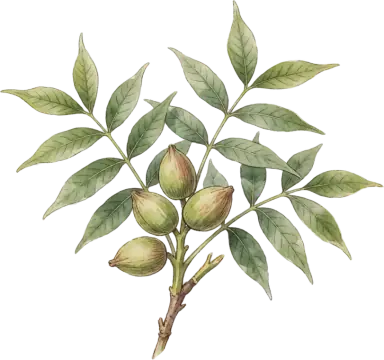
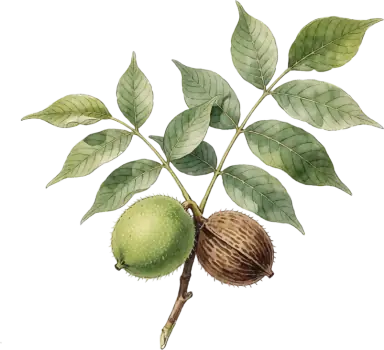
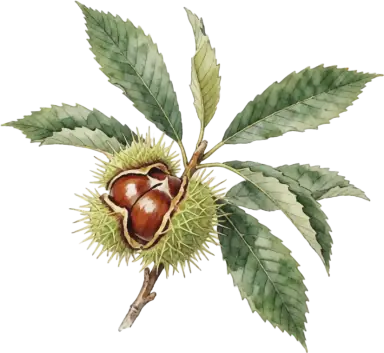
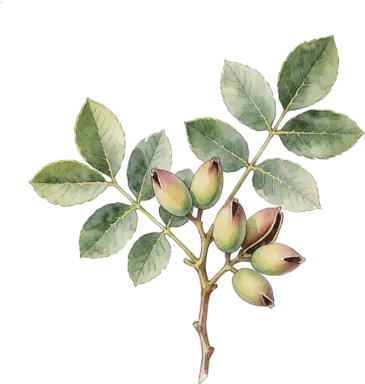
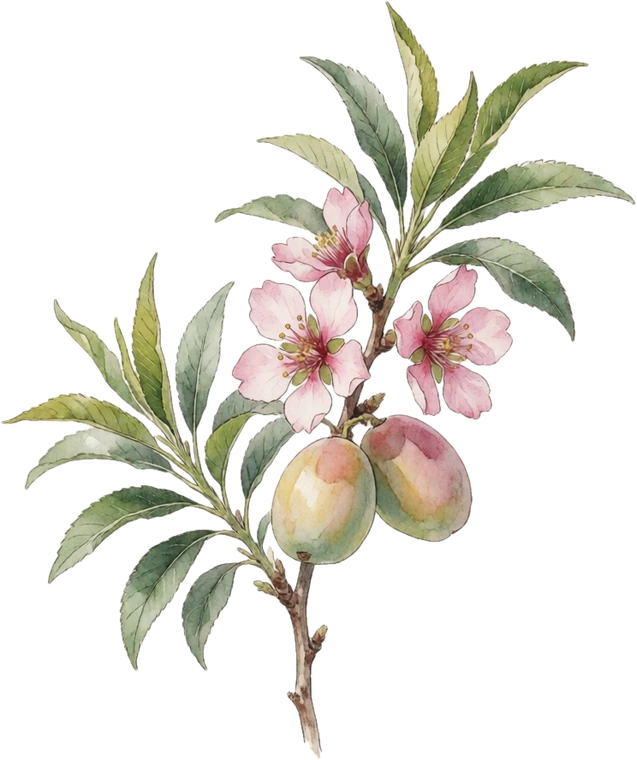
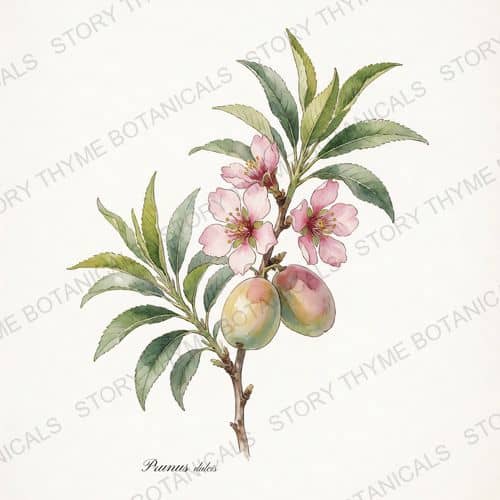
Botanical illustration of Almond

An almond tree is a peach tree that decided on nuts — same gorgeous early blossom, same habit, but the harvest cures on a shelf instead of bruising in a bowl. Crack this fall's crop for baking and snacking, and get one of spring's showiest bloom displays in the bargain.

That early bloom is the catch — spring frosts kill the flowers, which is why almonds cluster on the West Coast. The workarounds are known: late-blooming 'Hall's Hardy', self-fertile 'All-In-One', and high ground that sheds frost. Hardy zones 7 to 9, bee-pollinated, 15 to 30 feet. Gamble a corner on it; the blossom pays even in bad years.

Where to buy almond — 9 nurseries compared

  • Full Sun
  • Moderate water
  • Moderate growth
  • Excellent edible
  • Attracts bees
  • 300-500 winter chill
  • Needs a pollination partner
Almond — a print from the Plant Library collection

From the print shop

Growing almond? Hang it.

Our Plant Library collection carries almond — Prunus dulcis, print Nº 8, “Almond.”

526 designsfrom $12.99white or black backgroundmatte poster, unframed

Shop Plant Library botanical prints →

✓

Will it fruit where you are?

Enter your ZIP — we look up your USDA hardiness zone (2023 map) and check it against what almond actually needs.

Hardy inZones 7-9
Winter chill300-500
PollinationPartner needed

Almond · Common problems

Common almond problems

Pests, diseases and weather to keep an eye on.

Pests

3 problems on file

  • Peach Twig Borer
  • Navel Orangeworm
  • Curculio

Diseases

4 problems on file

Pollination

Poor pollination → low fruit set (plant a partner)

Almond · Growing & propagation

Growing almond

Light, water, soil, propagation and the season’s jobs.
What it needsThe details
Light
Full Sun
Water
Moderate

Deep, infrequent

Soil
Deep, well-drained loam

No wet feet · pH 6.0 - 7.5

Fertilizer
Light balanced feed in spring
Pruning
Late Winter / after harvest

Open-center like a peach; fruits on spurs and one-year wood.

Spacing
15-20 ft

How to plant & propagate almond

Propagate
Grafted, or from cuttings/layering

Seed won't come true

Almond · Harvest & keeping

What you get from almond

How long before it bears, how much it gives, how you know it is ready, and how long it keeps once picked.
Botanical illustration of Almond
Years to first harvest
3 to 5 years
Typical yield
10–30 lbs
What you eat
Nut (kernel)
How to tell it is ready
Hulls split and dry and kernels rattle

Knock onto tarps, then cure a few days

How long it keeps
Months in shell

Kernels freeze a year

Almond · Seasonal care & spray guidance

The almond growing playbook

Field-tested instructions for every job almond asks of you, compiled from university extension guidance — in the order the season brings them.

When to spray almond

Dormant season. Dormant copper/oil for shot hole + brown rot.

Growing season. Bloom-time and hull-split sprays where pests are heavy.

While it is dormant

winter, before growth starts

2 jobs
PruningIn January and December

Dormant pruning: build the frame early, then leave it alone

Prune after leaf drop and before bud swell. At planting, head an unbranched whip at 30 to 36 inches above the soil to force low scaffolds; on a branched tree, remove anything below about 30 inches and keep 4 to 6 evenly spaced branches. A mature almond needs very little pruning - take out dead, broken, and crossing wood and open the center enough for light and spray coverage. Almond puts its structure on in the first few years and then coasts, so the framework you select early is the one the tree carries for decades. Heavy cutting on a bearing tree removes the spurs that carry the crop.

SprayingIn November and December

Dormant oil for scale - and the job that beats it

Once the tree is genuinely dormant, narrow-range oil smothers overwintering scale and mite eggs. But do the sanitation first: strip and destroy every mummy nut left on the tree, because that is where next year's navel orangeworm is living right now. Removing mummy nuts in fall or winter, and harvesting early with prompt removal of nuts from the orchard floor, are the two things UC IPM calls essential to navel orangeworm control - the spray is not.

As growth begins

early spring

1 job
FeedingIn spring

Feed lightly in spring, after leaf-out

Start after leaf-out, not before. For a home tree, apply about 1 ounce of actual nitrogen per year of tree age, capping at roughly 1/2 pound per year for a mature tree. Split it across the season rather than dumping it at once, and water it in deeply and infrequently. Nitrogen applied between late fall and spring is mostly gone before the tree leafs out and can take it up, so it leaches past the roots instead of feeding the crop. Fed too heavily, almond grows wood instead of nuts.

While it flowers

at bloom

2 jobs
SprayingAt bloom

Brown rot blossom blight: fungicide at pink bud and full bloom

Spray propiconazole, or pyraclostrobin plus fluxapyroxad, at pink bud (5 to 10 percent bloom) and again at full bloom. In a dry year a single full-bloom application is usually enough; a long bloom with rain warrants the second. Monilinia laxa overwinters in twig cankers and old infected flowers, and its spores blow or splash onto open flowers during wet weather. It infects through the flower itself, so the fungicide has to be on the petals before the rain, not after the blossoms brown.

ProtectionAt bloom

Frost watch: almond blooms first and pays for it

Track overnight lows through bloom. Open flowers are killed at about 28 degrees F, so cover small trees with row cover or blankets on radiation-frost nights and uncover in the morning. Plant on a slope or high ground where cold air drains away rather than in a low frost pocket. Almond is the earliest stone fruit to bloom, often weeks before the last frost, and a flower killed at 28 degrees F is a nut that never forms - the whole crop can be lost in a single clear, still night.

Just after bloom

as the fruit sets

1 job
SprayingAt petal fall

Shot hole at petal fall - but only if last fall's leaves told you to

Look at last autumn's leaf lesions with a hand lens: if the tan spots carry tiny black fruiting bodies, spray at petal fall this spring with iprodione, or azoxystrobin plus propiconazole, and continue at label intervals while wet weather lasts. If you found no fruiting structures, skip the spray. Wilsonomyces carpophilus needs prolonged leaf wetness to infect, and the black fruiting bodies on old lesions are the inoculum that starts the new season. No fruiting bodies means no spore source worth spraying against.

Harvest time

as it ripens, and picking

3 jobs
WateringAs fruit ripens

Dial irrigation back as hull split starts, to starve hull rot

Reduce irrigation at the onset of hull split and never leave standing water under the trees while hulls are open. Keep nitrogen off the tree in the 45 to 60 days before hull split; if you leaf-sample in midsummer, nitrogen should read below 2.6 percent. Rhizopus stolonifer and Monilinia colonize the wet, sugary hull the moment it splits, and a lush, over-watered, over-fed tree keeps that hull moist for weeks instead of days. Hulls stay susceptible from split until they dry - anywhere from 10 days to 2 months, and irrigation and nitrogen are what decide which.

SprayingAs fruit ripens

Navel orangeworm: hit the first 1 percent of hull split

Cut small branches from the top southwest quadrant of 5 or 6 trees and watch for the first hulls to split. At the very beginning of hull split, and no later than 1 percent split, spray methoxyfenozide, chlorantraniliprole, spinetoram, or Bacillus thuringiensis. Under heavy pressure, repeat 2 to 3 weeks later as the crop finishes splitting. The hull is the tree's own armor; the instant it cracks, the kernel is exposed and navel orangeworm moths lay directly into the opening. Spray a week late and the larvae are already inside the shell where nothing can reach them.

HarvestingAt harvest

Shake as soon as the nuts will come off

Nuts ripen unevenly - the upper, outer southwest quadrant splits first and the eye-level interior nuts are the laggards. Wait until 95 to 100 percent of the fruit at eye level is visibly split, then shake or pole the tree and get the nuts off the ground promptly. Dry them until the kernels snap rather than bend, then store airtight. Every day a split nut hangs on the tree, or lies on the ground, is another day navel orangeworm can lay into it. Early harvest with prompt pickup is one of the two cultural practices UC IPM calls essential to controlling that pest - it does more than any spray.

Almond · Calculators & field guides

A little help in the garden.

Calculators for the figures. Field guides for the hands-on work.

Almond · Yearly calendar

The almond year, month by month

What almond asks for, month by month.

Jan

No calendar activity is listed for this month.

MonthJanFebMarAprMayJunJulAugSepOctNovDec
Bloom
Prune
Harvest

BloomMarch to April

PruneFebruary to March, then July to August

HarvestSeptember to November

What each band means

  • Bloom — flowers open — pollinators working, frost on blossoms is the danger.
  • Prune — shape it now — cuts heal cleanly and structure is visible.
  • Harvest — picking time — check ripeness every few days.

These are the species' typical months — expect them a few weeks earlier in warm zones and later in cold ones. Watch the plant, not just the calendar.

Almond · Ecology & uses

Ecology & uses

What it does for the garden, and what it is grown for.
Botanical illustration of Almond

Prunus dulcis

Almond in the garden system

  • Canopy layer tree
  • Keystone: Keystone — hosts 340-450+ caterpillar species
Attracts
Bees
Moisture
Facultative / average
Deer
Browsed

Protect young plants

Origin
Introduced

What almond is grown for

! Some parts toxic — see notesKernels safe; avoid true 'bitter almond' seed types (cyanide)

Use
Fresh nuts
Use
Baking
Use
Blossom show
Edible value
4/5

Harvesting & storing almond

Fall: hull splits, nut inside; pick and dry.

Edibility, identification, and traditional-use notes here are general reference — not medical or veterinary advice, and not a claim that any plant treats or prevents anything. Medicinal ratings record how strongly a plant features in herbal tradition, nothing more. Never eat or dose a plant you have not positively identified. More on how to use this library.

Almond · Varieties & cultivars

Best almond varieties & cultivars

There are far more than these — the ones below are the named varieties of almond people actually plant.

Named varieties of almond differ in winter-chill needs, ripening time, hardiness, and whether they set fruit on their own — pick one that fits your climate.

8 varieties

All-in-One

Also known as All In One

Self-fertile

Chill
300–500 hrs
Ripens
Early fall (September)
Zones
5-9
Size
Semi-dwarf, 12-15 ft tall and wide

Sweet, firm crisp kernel, paper shell — The default choice for a one-tree home planting: self-fruitful, so it needs no partner, and small enough for a suburban yard. Utah State Extension also lists it as reportedly self-fruitful and recommends it for home gardens. Bears in 3-4 years.

Where to buy ‘All-in-One’verified

Story Thyme Farms may earn a small commission from these links, at no cost to you — it never changes what we recommend.

Sources & plant identity

Know what you’re growing.
See where the knowledge comes from.

Botanical illustration of Almond

Almond

Prunus dulcis

The plant, at a glance.

Botanical name
Prunus dulcis
Plant family
Rosaceae
Growth habit
Tree · Perennial
Origin
Introduced
USDA plant symbol
PRDU
Invasive risk
Low
Every garden is different.

Hardiness, size and timing vary with your cultivar, soil and climate.

Rooted in research.

University extension research, brought together with hands-on growing experience at Story Thyme Farms.

Explore Almond’s sources13 reference links
for Almond

Questions

Almond questions, answered straight.

Why isn't my almond fruiting?

Most often: it has no genetically distinct partner nearby. Almond can't pollinate itself — most need a compatible pollenizer bloom-matched nearby (a few self-fertile). Plant a second, unrelated one nearby; two different cultivars, or a cultivar plus a seedling, is the classic pairing.

Will almond fruit in a warm-winter climate?

Almond needs roughly 300-500 hours of winter chill (hours between 32–45°F) to break dormancy and set fruit. Mild-winter growers should count their chill hours before planting.

Is almond safe for kids and pets?

With care. Kernels safe; avoid true 'bitter almond' seed types (cyanide) Site it accordingly if children or pets roam the garden. This is general reference, not medical or veterinary advice — call a vet or poison control if something has actually been eaten.

When do you harvest almond?

Fall: hull splits, nut inside; pick and dry.

Elsewhere

Where almond sits in the library.

Where almond sits in the library

Grows in the same world